
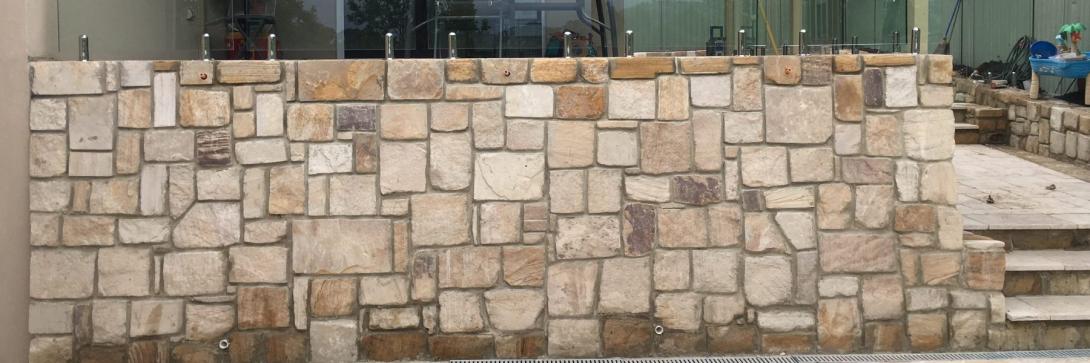
When planning outdoor improvements, many property owners look for solutions that provide both structure and visual appeal. Block walls are a popular choice for landscaping projects because they can help manage changes in ground levels, create defined garden areas, and add long-term durability to outdoor spaces.
From residential gardens to commercial landscapes, properly designed block walls can solve common problems such as soil movement, erosion, and uneven terrain. However, choosing the right materials and installation approach is essential to ensure the wall performs well over time.
What Are Block Walls and Why Are They Used?
Block walls are structures built using concrete blocks or masonry units that are designed to create a strong, stable barrier. They are commonly used for retaining walls, garden borders, raised planting areas, and outdoor feature walls.
Unlike temporary landscaping solutions, block walls are built to handle pressure from surrounding soil and weather conditions. In Australia, where properties often experience heavy rainfall, changing temperatures, and varied soil conditions, a well-constructed block wall can provide reliable support for many years.
The main reasons property owners choose block walls include:
- Improving the appearance of outdoor areas
- Creating level spaces on sloped properties
- Preventing soil erosion
- Supporting garden beds and landscaping designs
- Adding structure to residential and commercial properties
Choosing the Right Type of Block Wall
Not every block wall is suitable for every project. The right choice depends on factors such as wall height, location, soil type, drainage requirements, and the purpose of the structure.
Some common options include:
Concrete Block Walls
Concrete blocks are widely used because they offer strength, durability, and flexibility. They can be reinforced with steel and concrete filling when additional support is required.
Garden Block Walls
Garden block walls are often designed with appearance in mind. They can create attractive borders around lawns, pathways, and planting areas while providing practical support.
Retaining Block Walls
Retaining block walls are specifically designed to hold back soil. These structures require careful planning because they must manage pressure from the earth behind them while allowing proper water drainage.
Selecting the right type of block is an important step that experienced contractors consider before beginning construction.
The Importance of Proper Planning and Installation
A common mistake with block walls is focusing only on the visible part of the structure. The strength of a wall depends heavily on what happens below ground level.
A professional installation process usually involves several important steps:
Site Assessment
Before construction begins, the area should be inspected to understand soil conditions, drainage concerns, and the purpose of the wall. A small garden border requires a different approach compared with a larger retaining structure.
Preparing the Foundation
A stable foundation helps prevent movement and cracking. The ground is typically excavated and prepared with suitable base materials to create a solid surface.
Building the Wall Structure
Blocks are carefully positioned and aligned to ensure stability. Depending on the design, reinforcement materials may be added to increase strength.
Managing Drainage
Water pressure is one of the biggest causes of retaining wall problems. Proper drainage systems help reduce pressure behind the wall and protect the structure from damage.
Final Landscaping Work
Once the wall is complete, surrounding areas can be finished with plants, pathways, decorative materials, or other landscaping features.
Benefits of Installing Block Walls
A well-designed block wall offers several practical advantages for property owners.
Long-Term Durability
Quality block walls are built to withstand outdoor conditions, including rain, wind, and temperature changes. With proper construction and maintenance, they can remain functional for many years.
Better Use of Outdoor Space
Sloped properties can often become more usable with block walls. They allow homeowners and businesses to create terraces, garden areas, or flat sections for outdoor activities.
Improved Property Appearance
Block walls can add clean lines and definition to a landscape. They can be designed to complement existing outdoor features and improve the overall look of a property.
Low Maintenance Requirements
Compared with some other landscaping structures, block walls generally require minimal ongoing maintenance when they are correctly installed.
Common Mistakes to Avoid
Even durable materials can fail if installation is not handled correctly. Some common issues include:
- Building without considering drainage
- Using unsuitable blocks for the project
- Skipping proper foundation preparation
- Ignoring local building requirements
- Installing walls without understanding soil pressure
Working with experienced professionals helps reduce these risks and ensures the wall is designed for its specific environment.
Frequently Asked Questions About Block Walls
Are block walls suitable for Australian climates?
Yes. Block walls can perform well in Australian conditions when they are designed with suitable materials, drainage, and construction methods.
How long do block walls usually last?
The lifespan depends on materials, installation quality, soil conditions, and maintenance. Professionally built block walls can provide many years of reliable service.
Can block walls be used for decorative landscaping?
Absolutely. Many block walls are used not only for structural purposes but also to create attractive garden features, borders, and outdoor designs.
Do block walls require maintenance?
Regular inspections are recommended, especially after heavy rainfall or major weather events. Addressing small issues early can help protect the structure.
Final Thoughts
Block walls are a practical and versatile solution for creating stronger, more functional outdoor spaces. Whether the goal is managing soil levels, improving garden design, or adding structure to a landscape, the right approach makes a significant difference.
Successful projects start with proper planning, suitable materials, and professional installation methods. By understanding the purpose of the wall and the conditions of the site, property owners can create outdoor structures that are both attractive and built to last.
If you are considering adding block walls to your property, consulting an experienced landscaping professional can help you choose the right design and ensure the project meets your long-term needs.