

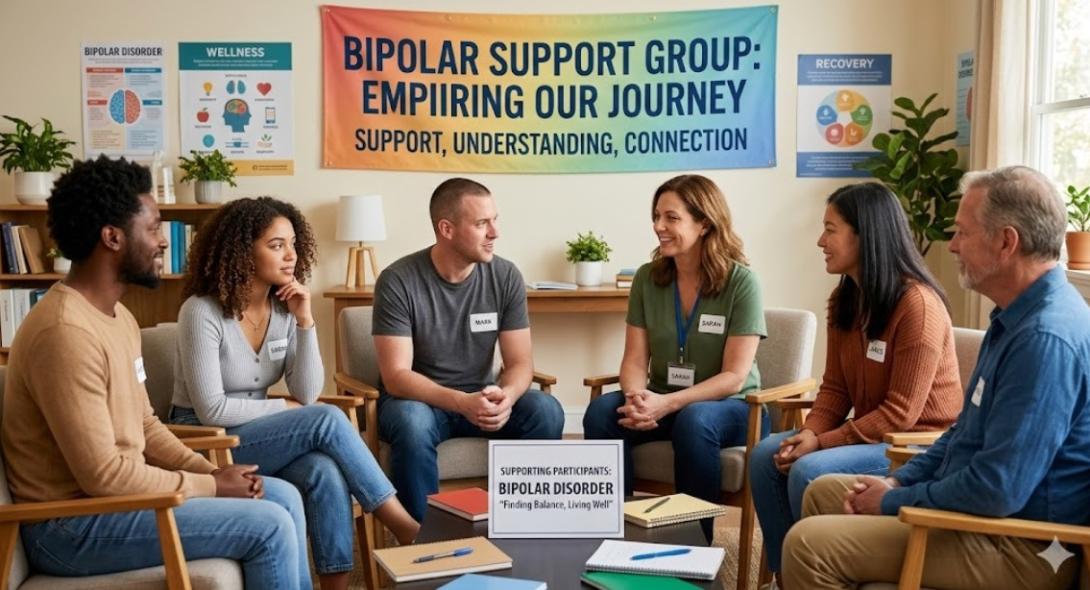
Mental health support is not simply about knowing what is right; it is about knowing what is right for the individual and having the patience, understanding, and empathy to do so. eMaster HUB provides bipolar disorder training for support workers to help professionals deepen their understanding of bipolar disorder and acquire practical skills to deliver respectful, person-centered support.
Training can be beneficial for support workers, carers, disability professionals, community workers, and others who regularly support people with mental health challenges.
What Is Bipolar Disorder?
Bipolar disorder is a mental disorder associated with extreme shifts in mood, energy, activity, and concentration. It can involve manic or hypomanic episodes, periods of elevated mood or irritability, and periods of depression.
The effects of bipolar disorder can vary greatly from person to person. Understanding these differences helps support workers avoid making assumptions and respond more appropriately to each individual’s circumstances.
Training on bipolar disorder can help support workers understand the condition at a basic level and communicate with compassion and respect.
Changes in Behavior and Mood to Watch For
Support workers often spend a lot of time with the people they are supporting. This can give them a good sense of how to spot changes in mood, behavior, communication, sleep patterns, or daily routines.
Training with eMaster HUB can help workers become more aware of potential signs and understand how to respond within the scope of their professional role.
The goal is not to diagnose an individual. Instead, support workers can be trained to notice changes, communicate concern appropriately, record relevant information, and follow procedures already in place in the workplace.
Develop Skills for Practical Support
Good mental health support is more than just knowing definitions. Workers also need practical methods they can use in their daily work.
Training may include communication techniques, person-centered approaches, professional boundaries, risk awareness, and strategies for responding calmly in difficult situations.
This also helps workers understand how individual preferences, routines, environments, and support networks might affect a person’s well-being.
Promote Person-Centered, Respectful Care
People living with bipolar disorder deserve dignity and respect. Support workers trained in bipolar disorder can help others understand the importance of listening, avoiding stigma, respecting personal choices, and focusing on the individual rather than defining someone by a diagnosis.
Person-centered support promotes working together and acknowledges that everyone’s experiences and needs are different.
Enhance Your Understanding of Mental Health Assistance
Continuous learning can help support workers feel more prepared to manage the responsibilities they face in their roles. eMaster HUB offers an opportunity to gain relevant knowledge and enhance professional awareness to support mental health.
Proper education can empower workers with greater confidence to identify concerns, communicate effectively, maintain professional boundaries, and help create safer and more supportive care environments. Learn more! Visit https://emasterhub.com.au/product/supporting-participants-with-bipolar-disorder/