

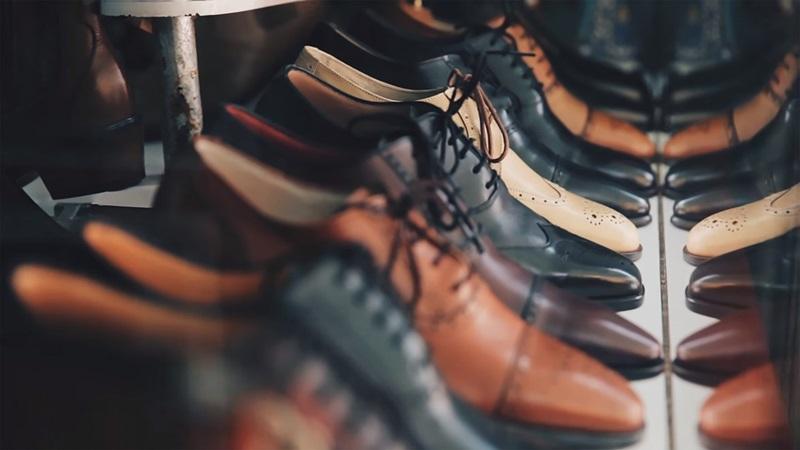
The exceptional fashion designers who stand out from others remain a mystery to you right now. The craft of shoe making opens new career possibilities for you when you achieve proficiency in this skill. The missing piece that you need for your fashion design education actually exists right beneath your feet.
Footwear creation has become a necessary skill for fashion design students who want to succeed in the current competitive market. Shoes serve as functional items which also function as fashion statements that determine the success or failure of an entire outfit. Manual shoe crafting enables you to learn about materials and construction and design which standard fashion programs do not provide.
What to Look for in a Quality Shoe Making Course
Hands-On Experience with Leather and Materials
Shoe making course programs that deliver practical experience through hands-on work create better learning results than programs which focus on theoretical instruction. The program requires you to work with actual leather materials from your very first day of training. The only way to appreciate black leather quality is through direct contact with its weight and the ability to feel its weight.
Look for courses that provide access to professional-grade materials and tools. The different leather sheets enable you to learn about footwear materials which work best for various shoe designs. Direct experience with the materials becomes essential as you start developing your collection.
A solid course should also teach you to identify quality materials. The training will enable you to distinguish between genuine leather and synthetic materials while explaining the reasons behind different materials suitability for particular uses.
Understanding Leather Dye Techniques and Finishing
The mastery of leather dye techniques enables creators to explore limitless artistic options. The best training courses show you how to use Angelus leather dye materials which will allow you to create professional-looking work. The curriculum teaches students basic color application methods and advanced patina effect techniques plus antiquing.
Shoe leather dye serves two functions which include providing visual appeal while keeping the shoe safe. The proper dyeing and finishing techniques create a professional appearance while extending the lifespan of footwear. The training will help you understand the different shoe leather dye products plus their specific usage requirements.
The process of finishing determines whether a piece of work belongs to the professional domain or the amateur domain. The best training programs focus heavily on this essential finishing process to help students develop the necessary skills for entering the job market.
Where Can You Buy Leather Dye in Australia?
Finding Angelus Leather Dye in Australia
Where can you buy leather dye for your projects? Students from shoe making programs frequently ask this specific question. Most people don't realize that Angelus leather dye Australia stockists exist in greater numbers than they expect. The brand is available through specialist craft stores and leather supply shops and online retailers.
Angelus products have become the preferred choice for professionals because they offer dependable performance together with a wide selection of color options. Dedicated leather suppliers in Australia provide both online and in-person shopping options for customers. The majority of Australian leather suppliers offer the complete Angelus range which includes their popular preparer and finisher products.
Leather distributors Australia provide budget-friendly options through their bulk purchasing system for students who need cost-effective solutions. Student discounts remain available from multiple suppliers who require students to show their legitimate course enrollment documentation.
Sourcing Shoe Leather Dye for Your Projects
Various high-quality brands exist in addition to Angelus which customers can purchase from aus leather stockists and specialist retailers. Where can I buy leather dye that suits my specific needs? The answer depends on your project requirements.
Water-based dyes work beautifully for lighter colours and subtle effects. Alcohol-based options penetrate deeper and offer more vibrant results. Spirit dyes require advanced application skills because they dry quickly but create uneven results. Customers who visit a leather supply shop will receive assistance to select the correct item for their specific project needs.
You should develop partnerships with nearby suppliers who provide both product access and expert guidance. The staff members at leather supplies stores possess extensive knowledge which they have acquired through their many years in the industry.
Essential Materials Every Shoe Making Student Needs
Working with Leather Sheets and Hides Leather
Every shoe making student needs access to quality materials. Various sizes and thicknesses and finishes of leather sheets exist and each type serves different purposes. Thinner sheets work well for linings and delicate details, while thicker cuts provide structure for soles and heels.
When sourcing hides leather, consider the animal source and tanning method. Vegetable-tanned leather develops beautiful characteristics through aging while maintaining its ability to support tooling work. Chrome-tanned leather provides enhanced flexibility and superior resistance to moisture. Both have their place in shoe making.
You need to establish a material library to study the behavior of different leathers. You should keep samples of different weights and finishes to use as reference during your skill development process.
Choosing the Right Black Leather for Footwear
Footwear designers prefer black leather because it offers maximum versatility for their designs. However, not all black leather is created equal. The quality varies significantly depending on the hide grade and finishing process.
Full-grain black leather shows the natural surface and develops character over time. Corrected-grain options offer more uniformity but less breathability. Patent leather provides high shine for formal designs, while nubuck offers a softer, more casual aesthetic.
Students should begin with mid-grade leather because it provides cost efficiency while they practice their skills. As your skills improve, invest in premium materials for portfolio pieces.
Top Shoe Making Courses for Fashion Students in Australia
What Skills Will You Learn?
The best courses teach students to create shoes from initial design until final product creation. Students will acquire skills to create patterns which they will use to perform lasting work and sole construction tasks and finishing work. Most programmes incorporate both traditional handcraft methods and modern technologies.
Design skills work together with technical abilities to create effective design solutions. Designers excel in proportion and balance and wearability understanding while technicians do not. The best courses develop both aspects equally.
Course Duration and Investment
Courses range from intensive weekend workshops to year-long diploma programmes. Short courses suit students wanting to supplement existing fashion education. The footwear design program requires two years of study to finish before students can start their specialized career path.
Educational programs require different financial commitments which range from introductory workshops costing several hundred dollars to full programs available at thousand-dollar price points. Students should choose educational programs which provide payment options when they cannot afford to pay for courses upfront.
Taking Your First Step into Shoe Making
The shoe making process permits you to create beautiful designs which will enhance your career in fashion design. Your design abilities will improve when you learn about materials and construction methods and finishing techniques. Footwear knowledge enhances your design abilities even if you choose to focus on other areas.
The proper course selection remains an important element for successful education. You should choose programs which provide practical training with authentic materials and industry connections. You should spend time developing relationships with your leather suppliers and your fellow students because these connections will help your career throughout your professional life.