
In the world of industrial energy solutions, steam turbines play a pivotal role in powering operations across various sectors. Among them, back pressure steam turbines stand out for their efficiency and versatility. If you're involved in manufacturing, power generation, or any process that relies on steam, understanding these turbines can help optimize your systems and reduce costs. With over 30 years of experience working alongside steam turbine manufacturing companies, I've seen firsthand how these machines transform energy management. In this article, we'll dive into the working principle of back pressure steam turbines, explore their key benefits, and examine their wide-ranging industrial applications.
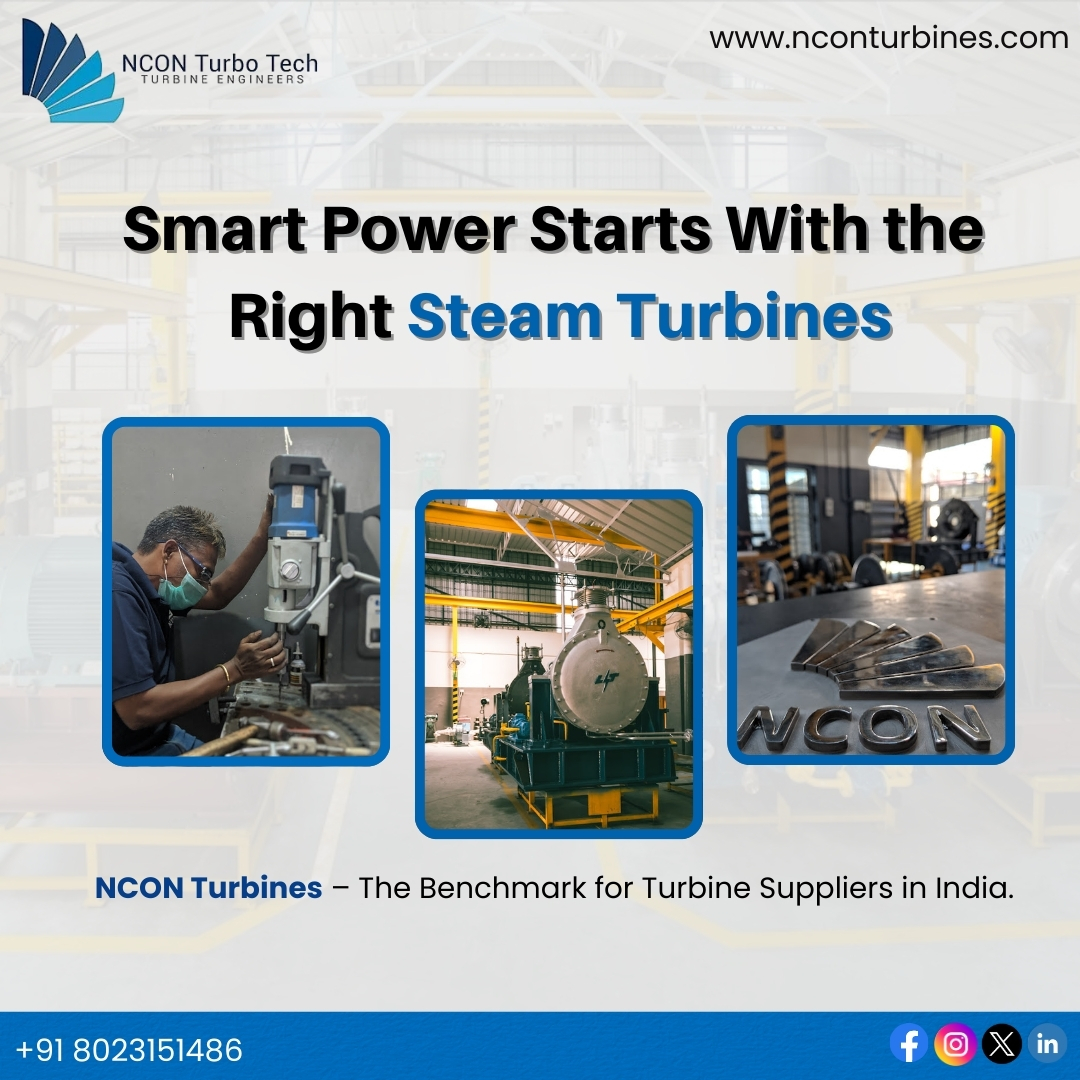
Understanding Back Pressure Steam Turbines
Back pressure steam turbines are a type of steam turbine designed to exhaust steam at a pressure higher than atmospheric levels. Unlike condensing turbines, which release steam into a vacuum to maximize energy extraction, back pressure models maintain a specific outlet pressure to supply steam for downstream processes. This makes them ideal for cogeneration setups where both electricity and process heat are needed.
Imagine a system where high-pressure steam enters the turbine, expands through the blades, and drives a generator to produce power. The exhaust steam, still under pressure, is then directed to other parts of the plant for heating or additional work. This dual-purpose functionality sets back pressure turbines apart from other designs. As back pressure steam turbine manufacturers continue to innovate, these turbines have become more compact and reliable, fitting seamlessly into modern industrial environments.
From my years collaborating with engineers in this field, I've learned that selecting the right turbine involves considering factors like steam inlet conditions, required exhaust pressure, and load variations. For instance, in facilities where steam demand fluctuates, a well-engineered back pressure turbine can provide stable performance without excessive energy loss.
The Working Principle Explained
At its core, the working principle of a back pressure steam turbine revolves around the conversion of thermal energy in steam into mechanical work. Let's break it down step by step.
First, superheated or saturated steam at high pressure and temperature is supplied from a boiler. This steam enters the turbine through nozzles, where it accelerates and directs onto the turbine blades. The blades, arranged in stages, extract kinetic energy from the steam, causing the rotor to spin. This rotation is then transferred to a shaft connected to a generator or mechanical load, producing electricity or driving machinery.
What distinguishes back pressure turbines is the exhaust stage. Instead of condensing the steam, the turbine is designed to release it at a predetermined back pressure—typically between 1 to 10 bar, depending on the application. This exhaust steam retains enough energy to be used in processes like drying, heating, or even feeding into lower-pressure turbines.
To illustrate, consider a sugar mill where steam from the turbine exhaust is used for evaporating cane juice. The turbine generates power while the back pressure steam supports the production line, creating a closed-loop efficiency. In technical terms, the efficiency of these turbines can be calculated using the Rankine cycle, adjusted for non-condensing operation. The isentropic efficiency, often around 70-85%, measures how effectively the turbine converts the available energy drop.
One common challenge I've encountered in discussions with plant managers is managing variations in back pressure. If the downstream process demands change, it can affect turbine performance. That's where advanced controls come in, allowing for automatic adjustments to maintain optimal output. For those looking into options, exploring a low-cost steam turbine can provide an entry point without compromising on quality.
Key Benefits of Back Pressure Steam Turbines
The advantages of back pressure steam turbines make them a preferred choice for many industries. Let's explore some of the most significant benefits.
Enhanced Energy Efficiency
One of the primary benefits is their ability to achieve high overall efficiency in combined heat and power (CHP) systems. By utilizing exhaust steam for process heating, these turbines can reach thermal efficiencies exceeding 80%, far surpassing standalone power generation units. This not only reduces fuel consumption but also lowers operational costs—a critical factor in today's energy-conscious market.
From an environmental perspective, this efficiency translates to reduced carbon emissions. In my experience advising on turbine installations, companies that switch to back pressure systems often see a quick return on investment through energy savings alone.
Cost-Effective Operation
Back pressure turbines require less complex auxiliary equipment compared to condensing types. There's no need for large condensers, cooling towers, or vacuum pumps, which simplifies installation and maintenance. This makes them particularly appealing for small to medium-sized plants where space and budget are constraints.
Moreover, their robustness allows for long operational life with minimal downtime. Regular servicing, such as blade inspections and seal replacements, keeps them running smoothly. If you're considering upgrades, options like a multi-stage steam turbine can offer even greater efficiency for higher pressure drops.
Flexibility in Applications
These turbines adapt well to varying load conditions, making them suitable for industries with fluctuating steam demands. They can operate continuously or in batch modes, providing reliable power without the inefficiencies of frequent starts and stops.
Another benefit is their compatibility with renewable fuels. Biomass-fired boilers, for example, pair excellently with back pressure turbines, supporting sustainable energy goals. I've worked on projects where integrating these systems helped companies meet regulatory requirements while boosting profitability.
Reliability and Safety
Built with durable materials like high-alloy steels, back pressure turbines withstand harsh conditions, including high temperatures and corrosive steam. Safety features, such as overspeed trips and pressure relief valves, ensure secure operation. In industries where downtime can cost thousands per hour, this reliability is invaluable.
Industrial Uses of Back Pressure Steam Turbines
Back pressure steam turbines find applications across a diverse range of industries, each leveraging their unique capabilities to enhance productivity.
Food and Beverage Processing
In the food sector, these turbines power mills, dryers, and pasteurisers while using exhaust steam for cooking or sterilisation. For example, in breweries, steam from the turbine heats mash tuns, optimising energy use throughout the process. This integration reduces utility bills and supports consistent product quality.
Chemical and Petrochemical Industries
Chemical plants often require precise steam pressures for reactions and separations. Back pressure turbines generate electricity onsite and supply steam for distillation columns or reactors. Their ability to handle aggressive chemicals makes them a staple in this field. From producing fertilizers to polymers, these turbines contribute to efficient, large-scale operations.
Pulp and Paper Manufacturing
The paper industry is one of the largest users of back-pressure-pressure steam turbines. Steam exhaust is used for digesting wood chips, bleaching, and drying paper sheets. In a typical mill, a turbine might drive generators while providing process steam, achieving energy self-sufficiency. I've seen installations where upgrading to advanced models cut energy costs by up to 30%.
Textile and Dyeing Operations
Textile mills rely on steam for dyeing, finishing, and pressing fabrics. Back pressure turbines provide the necessary power and heat, ensuring uniform processing. Their compact design fits well in space-limited factories, and with proper maintenance, they offer decades of service.
Power Generation in Cogeneration Plants
In district heating or small power plants, these turbines excel in cogeneration, supplying electricity to the grid and hot water to communities. This dual output maximizes fuel utilisation,utilisation, especially in regions with cold climates where heating demand is high.
Pharmaceutical Production
Pharmaceuticals demand sterile, high-quality steam for processes like tablet coating and fermentation. Back pressure turbines ensure a steady supply, with exhaust steam used for HVAC systems or cleaning. Compliance with strict regulations is easier with their precise control features.
To extend their lifespan, many operators turn to specialized parts and services providers who offer custom repairs and upgrades.
Comparing Back Pressure Turbines with Other Types
While back pressure turbines shine in specific scenarios, it's worth comparing them to alternatives like extraction-condensing or straight-condensing models. Extraction-condensing turbines allow steam withdrawal at intermediate pressures, offering more flexibility but at higher complexity and cost. Straight-condensing types maximize power output but waste thermal energy in cooling.
In contrast, back pressure designs prioritise maximise heat recovery, making them more suitable for process industries. For smaller setups, a single-stage steam turbine might suffice, providing simplicity without multi-stage efficiency.
From my extensive background in turbine manufacturing collaborations, the choice often boils down to the plant's steam balance. If excess steam is available for processes, back pressure is the way to go.
Maintenance Best Practices for Longevity
Proper maintenance is key to reaping the full benefits of back-pressure steam turbines. Regular inspections for erosion on blades, alignment checks, and lubrication ensure peak performance. Vibration monitoring can detect issues early, preventing costly breakdowns.
Training operators on safe handling and emergency procedures adds another layer of reliability. Partnering with experienced steam turbine manufacturing companies for routine overhauls can extend equipment life significantly.
Real-World Case Studies
Consider a textile factory in India that installed a back pressure turbine to replace an outdated system. The new setup not only generated 2 MW of power but also supplied steam for dyeing, slashing energy bills by 25%. Similarly, a global chemical plant integrated these turbines into their CHP system, achieving near-zero energy imports.
These examples highlight how back-pressure turbines address real industrial challenges, from cost pressures to sustainability goals.
Final Thoughts
As industries evolve toward more efficient and eco-friendly operations, back-pressure steam turbines remain a cornerstone technology. Their working principle, rooted in practical energy conversion, delivers tangible benefits like cost savings and flexibility. Whether in food processing, chemicals, or power generation, their applications demonstrate versatility that stands the test of time.
If you're exploring options for your facility, whether in Bangalore or beyond, reaching out to specialists—like those at NCON Turbines with their 30+ years of expertise—can guide you toward the right solution. For enquiries, connect at +91-80231 51486. Embracing these turbines could be the step toward optimising your energy strategy for years to come.
Address: F-62 & F-63, Industrial Estate, Rajajinagar, Bangalore, Karnataka, India - 560044
Call Us: +91 80231 5148
Website: https://www.nconturbines.com/
Mail: enquiry@nconturbines.com
Explore Our Services
Low-Cost Steam Turbines | Single-Stage Steam Turbines | Multi-Stage Steam Turbines | Parts and Services
Stay updated with our latest projects, innovations, and industry insights: