

Riyadh has emerged as a prominent destination for cosmetic procedures, including liposuction surgery in riyadh. For individuals looking to refine their body contours and boost their self-confidence, understanding the process, techniques, and considerations is key.
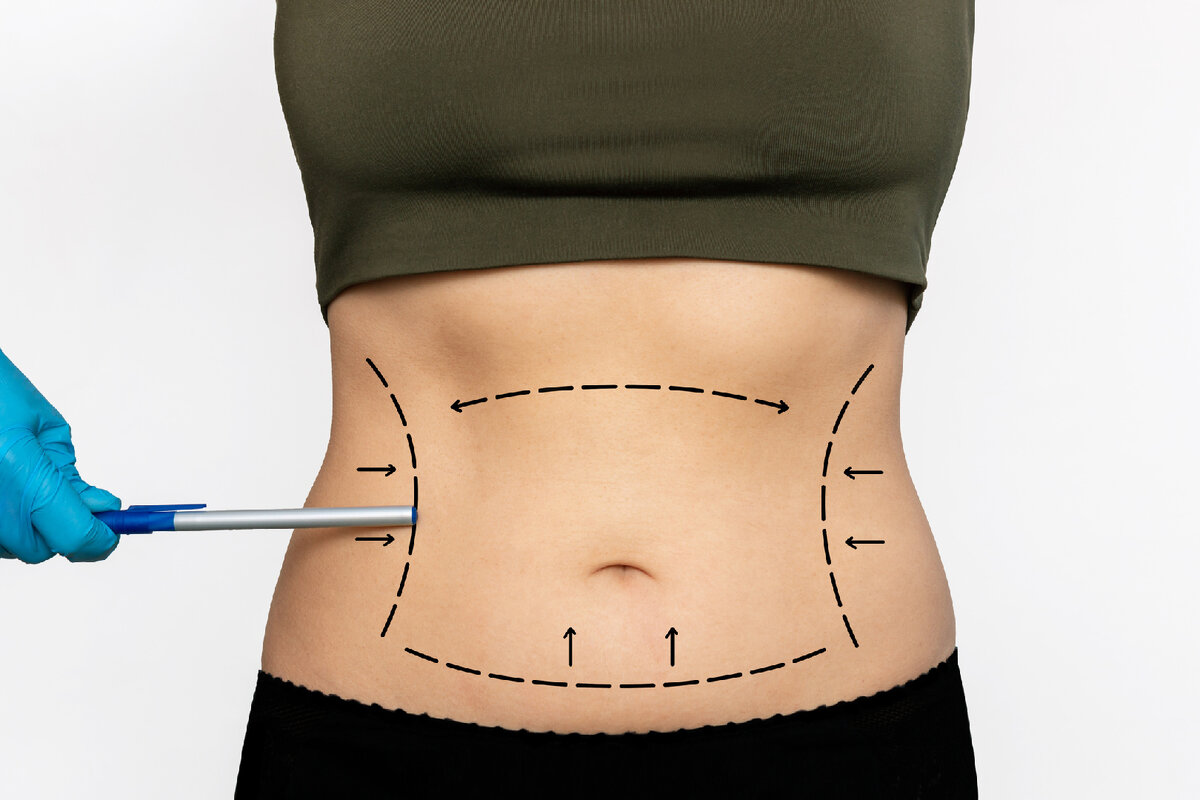
What is Liposuction?
Liposuction is a surgical procedure designed to remove localized fat deposits that are resistant to diet and exercise. It's not a weight-loss solution, but rather a body sculpting technique. It aims to improve body shape and proportion by targeting areas like the abdomen, flanks, thighs, hips, arms, back, and chin.
Types of Liposuction Techniques Available in Riyadh
Riyadh's top clinics offer a variety of modern liposuction techniques, each with specific advantages:
-
Tumescent Liposuction: This is a very common and effective method. A large volume of saline solution containing lidocaine (local anesthetic) and epinephrine (to constrict blood vessels) is injected into the fatty tissue. This makes fat removal easier, reduces blood loss, and provides post-operative pain relief.
-
Vaser Liposuction (Ultrasound-Assisted Liposuction - UAL): Vaser uses ultrasonic energy to gently emulsify (liquefy) fat cells before they are suctioned out. This technique is highly precise, minimizes trauma to surrounding tissues, and can promote some skin tightening due to the heat generated. Advanced variations like Vaser 4D and Vaser 360 allow for high-definition sculpting, revealing underlying muscle definition.
-
Laser-Assisted Liposuction (LAL or Laser Lipolysis): This method employs laser energy to melt fat cells, making them easier to remove. The laser's heat also stimulates collagen production, which can contribute to skin tightening in the treated area.
-
Power-Assisted Liposuction (PAL): This technique uses a vibrating cannula (a thin tube) to break up fat cells, making their removal quicker and more efficient, especially for larger volumes of fat.
-
Body Jet Liposuction (Water-Assisted Liposuction): This gentler method uses a pulsating water jet to dislodge fat cells from surrounding tissues. It's known for being less traumatic, potentially leading to less bruising and a faster recovery.
The Liposuction Journey: What to Expect
-
Initial Consultation: This is the most crucial step. You'll meet with a board-certified plastic surgeon to discuss your aesthetic goals, review your medical history, and determine if you're a suitable candidate. The surgeon will assess your areas of concern, skin elasticity, and overall health. They will explain the most appropriate technique for you, discuss the expected outcomes, and clarify any potential risks or complications.
- Preparation Before Surgery:
-
Reach a Stable Weight: Liposuction is best for those near their ideal weight with localized fat pockets. Maintaining a stable weight for several months before surgery is often recommended.
-
Quit Smoking: Smoking significantly impairs healing and increases complication risks. You will be advised to stop all nicotine products several weeks before and after surgery.
- Avoid Certain Medications: Your surgeon will provide a list of medications and supplements (like aspirin, ibuprofen, certain vitamins, and herbal remedies) to avoid for at least two weeks prior, as they can increase bleeding.
- Arrange for Support: Plan for someone to drive you home after the procedure and assist you during the initial recovery period.
- Prepare Your Home: Set up a comfortable recovery space with essentials within easy reach.
-
Follow Pre-Op Instructions: This includes specific bathing instructions, dietary guidelines (e.g., light diet the days before), and fasting instructions for the night before surgery.
-
- The Procedure:
-
Liposuction can be performed under local anesthesia with sedation or general anesthesia, depending on the extent of the treatment.
-
Tiny incisions (usually a few millimeters) are made in inconspicuous areas.
-
A thin tube called a cannula is inserted through these incisions to either inject the tumescent solution, deliver laser or ultrasound energy, or simply suction out the loosened fat.
- The surgeon meticulously sculpts the area to achieve a natural and balanced contour.
-
Drainage tubes may be inserted in some cases to prevent fluid accumulation.
-
Compression garments are typically applied immediately after the procedure.
-
- Recovery and Aftercare:
-
Immediate Post-Op (Days 1-3): You will experience swelling, bruising, and some discomfort, manageable with prescribed pain medication. Wearing a compression garment is crucial to reduce swelling and help the skin contract to the new contours. Light walking is encouraged to promote circulation and prevent blood clots.
- First Week: Most patients can return to light, non-strenuous work or daily activities within a few days to a week. Continue wearing the compression garment as instructed.
-
Weeks 2-4: Swelling and bruising will gradually subside. You can slowly resume more moderate activities, avoiding strenuous exercise. Early results will start to become visible.
-
Months 1-3 (and beyond): Most of the swelling will have resolved, and the final results will become more apparent as the skin continues to tighten. Full results can take up to 6 months or more. You'll continue to have follow-up appointments with your surgeon to monitor your progress.
- Maintaining Results: To ensure long-lasting results, it's vital to maintain a healthy lifestyle with a balanced diet and regular exercise.
-
Potential Risks and Complications
While liposuction is generally safe when performed by a qualified surgeon, like any surgical procedure, it carries potential risks:
-
Common Side Effects: Swelling, bruising, pain, and temporary numbness in the treated areas are normal and expected during recovery.
-
Contour Irregularities: Uneven fat removal or poor skin elasticity can lead to rippling or dimpling of the skin.
-
Infection: Though rare, infection at the incision sites is a possibility.
-
Bleeding/Hematoma: Accumulation of blood under the skin.
-
Seroma: Fluid accumulation under the skin.
-
Changes in Skin Sensation: Temporary or, rarely, permanent numbness.
-
Anesthesia Risks: Adverse reactions to anesthesia.
- Fat Embolism: A very rare but serious complication where loosened fat enters the bloodstream and travels to organs like the lungs or brain.
- Skin Necrosis: Death of skin tissue, especially a risk for smokers.
Choosing a reputable, board-certified plastic surgeon in Riyadh is the best way to minimize risks and ensure a safe and successful outcome.
Cost of Liposuction in Riyadh
The cost of liposuction in Riyadh can vary significantly based on several factors:
-
Area(s) Treated: Larger or multiple treatment areas will naturally cost more.
-
Technique Used: Advanced techniques like Vaser or Body Jet may be more expensive than traditional liposuction.
-
Volume of Fat Removed: The amount of fat to be removed can influence the procedure's duration and complexity.
- Surgeon's Fees: The experience and reputation of the plastic surgeon play a significant role in pricing.
- Clinic/Hospital Reputation and Location: Premier facilities in prime locations may have higher overheads.
-
Anesthesia and Operating Room Fees: These are typically included in the overall cost.
-
Pre and Post-Operative Care: This includes consultations, medical tests, compression garments, and follow-up appointments.
As of 2025, general estimates suggest liposuction costs in Riyadh can range from SAR 4,000 to SAR 20,000 or more per area. It's crucial to get a personalized quote during your consultation, as the final price will be tailored to your specific case. Insurance typically does not cover cosmetic procedures unless there's a medical necessity.
By understanding these aspects, you can navigate your liposuction journey in Riyadh with confidence, ultimately achieving the sculpted physique you desire.