

Indoor air quality has become a growing concern for homeowners and business owners alike. While many people focus on outdoor pollution, the air inside homes, offices, schools, and commercial buildings can often contain higher concentrations of contaminants. Dust, pollen, mold spores, bacteria, pet dander, and volatile organic compounds (VOCs) can circulate throughout a building if the heating, ventilation, and air conditioning (HVAC) system is not properly maintained.
Routine HVAC maintenance is one of the most effective ways to improve indoor air quality while keeping your system operating efficiently. A well-maintained HVAC system not only provides comfortable temperatures but also helps create a healthier environment for everyone inside the building.
Understanding the Role of HVAC Systems
An HVAC system does much more than heat or cool indoor spaces. It continuously circulates and filters air throughout the property. As air passes through the system, filters capture airborne particles before the conditioned air is redistributed into each room.
Over time, however, dirt and debris accumulate inside filters, coils, ducts, and other components. Without regular maintenance, these contaminants can reduce airflow and eventually re-enter the indoor environment.
A properly serviced HVAC system performs several important functions:
- Filters airborne particles
- Controls humidity levels
- Improves ventilation
- Maintains consistent airflow
- Supports healthier indoor conditions
These functions work together to minimize indoor pollutants and improve overall comfort.
Dirty Air Filters Reduce Air Quality
Air filters are the first line of defense against airborne contaminants. Their job is to trap dust, pollen, lint, pet hair, and other microscopic particles before they circulate throughout the building.
When filters become clogged, several problems may occur:
- Reduced airflow
- Increased dust inside rooms
- Poor HVAC performance
- Higher energy consumption
- Increased wear on equipment
A dirty filter may even allow smaller particles to bypass filtration altogether.
Replacing or cleaning HVAC filters on a regular schedule is one of the simplest and most affordable maintenance tasks. Depending on the type of filter, occupancy, pets, and local air conditions, filters typically require replacement every one to three months.
Clean Coils Promote Healthier Air
The evaporator coil plays a major role in both cooling and humidity control. As warm indoor air passes over the coil, moisture condenses and drains away.
When dirt accumulates on the coil, moisture can remain trapped, creating an ideal environment for mold and bacteria growth.
Professional HVAC maintenance includes cleaning evaporator and condenser coils to:
- Improve cooling performance
- Remove accumulated dirt
- Reduce microbial growth
- Increase energy efficiency
- Enhance indoor air cleanliness
Keeping coils clean helps prevent unpleasant odors while reducing airborne contaminants.
Proper Humidity Control Prevents Mold
Humidity has a direct impact on indoor air quality. Excess moisture encourages mold growth, dust mites, and mildew, while extremely dry air can irritate the skin, eyes, and respiratory system.
A properly functioning HVAC system helps maintain balanced indoor humidity throughout the year.
Routine maintenance ensures that:
- Condensate drains remain clear
- Drain pans stay clean
- Coils remove moisture effectively
- Dehumidification operates correctly
Balanced humidity creates a healthier living space and discourages biological contaminants.
Air Duct Maintenance Improves Air Circulation
Although air ducts do not require frequent cleaning in every building, they should be inspected periodically.
Dust, insulation particles, pest debris, or mold may accumulate inside ductwork over time, especially after renovations or water damage.
Professional inspections can identify problems such as:
- Air leaks
- Dust accumulation
- Mold contamination
- Damaged insulation
- Restricted airflow
Sealing leaks and repairing damaged ducts also improve HVAC efficiency while preventing contaminants from entering the air stream.
HVAC Maintenance Helps Reduce Allergens
For individuals who suffer from allergies or asthma, indoor air quality is especially important.
A neglected HVAC system can continuously circulate common allergens such as:
- Pollen
- Pet dander
- Dust mites
- Mold spores
- Fine dust particles
Routine maintenance helps minimize these irritants by ensuring that filters, coils, and ventilation components remain clean and effective.
Cleaner air often contributes to fewer allergy symptoms and greater indoor comfort.
Better Ventilation Means Fresher Indoor Air
Modern buildings are designed to be energy efficient, which often means they are tightly sealed. While this improves temperature control, it can also reduce natural ventilation.
Without proper ventilation, indoor pollutants can accumulate over time.
Regular HVAC maintenance ensures ventilation components work correctly by:
- Delivering fresh outdoor air when appropriate
- Removing stale indoor air
- Maintaining balanced airflow
- Supporting healthy oxygen circulation
Good ventilation helps reduce odors, airborne contaminants, and excess carbon dioxide.
Improved Energy Efficiency
Indoor air quality and energy efficiency often go hand in hand.
When HVAC components are clean, the system requires less effort to move air and maintain comfortable temperatures.
Routine maintenance can improve efficiency by:
- Cleaning coils
- Replacing filters
- Lubricating moving parts
- Inspecting electrical connections
- Calibrating thermostats
An efficient HVAC system consumes less energy, reduces operating costs, and places less strain on mechanical components.
Preventing Costly HVAC Repairs
Small maintenance issues often develop into expensive repairs when ignored.
For example, a clogged filter can restrict airflow enough to overwork the blower motor. Dirty coils may force the compressor to run longer, increasing wear and shortening equipment lifespan.
Preventive maintenance allows technicians to detect problems early, including:
- Refrigerant leaks
- Worn belts
- Loose electrical connections
- Failing motors
- Blocked condensate drains
Addressing these issues before they worsen helps avoid unexpected system failures.
Creating a Healthier Home and Workplace
Clean indoor air benefits everyone, especially children, older adults, and individuals with respiratory conditions.
Whether in homes, schools, offices, healthcare facilities, or retail spaces, HVAC maintenance supports healthier indoor environments by reducing airborne pollutants and maintaining consistent air circulation.
Businesses also benefit from improved employee comfort, fewer complaints about indoor air quality, and a more pleasant environment for customers and visitors.
Best Practices for HVAC Maintenance
To maintain cleaner indoor air year-round, consider following these maintenance practices:
- Replace HVAC filters regularly.
- Schedule professional HVAC inspections twice a year.
- Clean evaporator and condenser coils.
- Inspect ductwork for leaks or contamination.
- Keep supply and return vents unobstructed.
- Clear condensate drain lines.
- Monitor indoor humidity levels.
- Install high-efficiency air filters if compatible with your system.
- Consider air purification accessories for additional filtration.
Following these simple steps helps maximize both HVAC performance and indoor air quality.
Conclusion
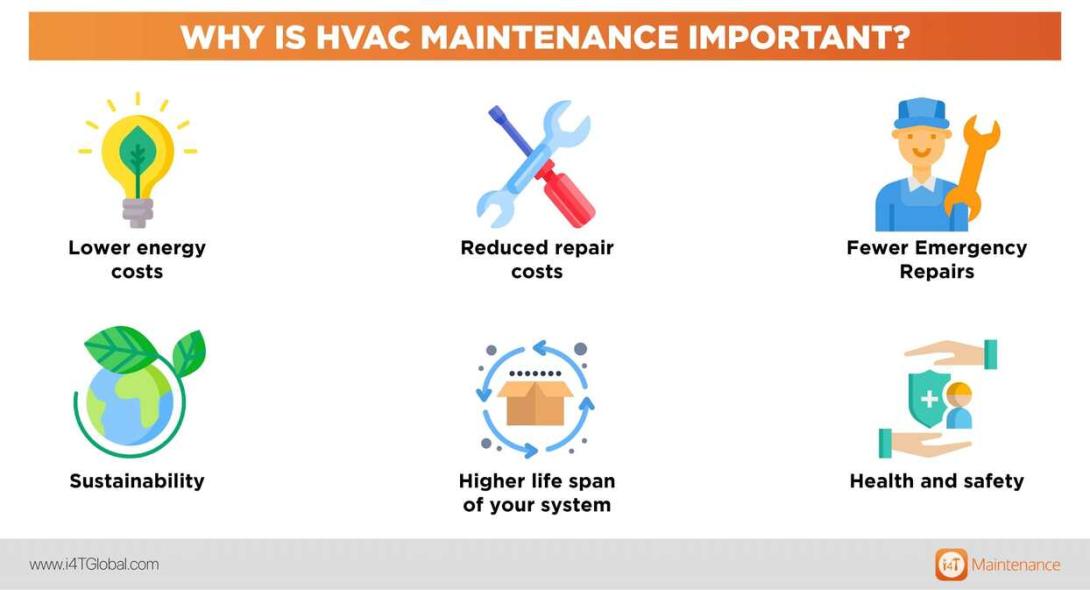
HVAC maintenance is far more than a routine service—it is an investment in healthier indoor living. Clean filters, well-maintained coils, balanced humidity, and proper ventilation all work together to reduce airborne contaminants and improve the air you breathe every day.
Regular maintenance not only enhances indoor air quality but also increases energy efficiency, lowers operating costs, extends equipment lifespan, and reduces the risk of unexpected breakdowns. Whether you own a home or manage a commercial property, scheduling routine HVAC maintenance is one of the smartest ways to protect your investment while ensuring a cleaner, fresher, and healthier indoor environment for everyone.
Article published: acjakarta.com