

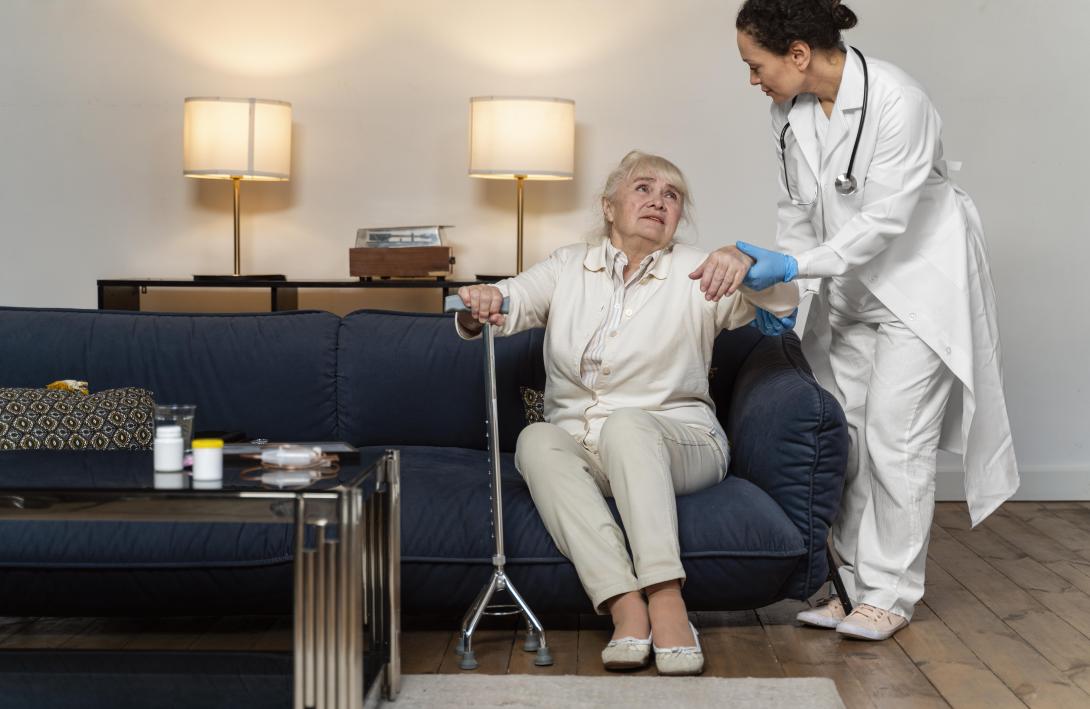
Hospital visits can be stressful, expensive, and physically exhausting—especially for the elderly and those with chronic health conditions. Many families are now realizing that professional and compassionate home nursing services in Bangalore offer a better way to manage health needs. By providing care in the comfort of one’s home, these services help reduce the frequency of hospital admissions and emergency room visits while improving overall well-being.
Preventive Care at Home
One of the biggest reasons people end up in the hospital is the lack of consistent, daily monitoring. When no one is around to track symptoms or changes in health, small problems can quickly turn into emergencies. Compassionate in-home caregivers, however, are trained to recognize early warning signs—such as a sudden change in appetite, energy levels, or behavior. By catching issues early, they help prevent complications and ensure timely medical attention.
Caregivers also help patients stick to prescribed medication routines and doctor-recommended diets. Skipping medications or eating unhealthy foods can lead to severe complications, especially for those with diabetes, high blood pressure, or heart problems. Having someone to gently remind and assist with these routines makes a significant difference.
Comfort and Confidence in Familiar Surroundings
Home is where people feel most at ease. Hospitals, with their noise, crowds, and unfamiliar routines, can be overwhelming, particularly for elderly patients. Home support reduces the stress and anxiety that often accompanies medical treatments by allowing patients to recover or manage their conditions in a peaceful, familiar setting.
This comfort leads to better mental and emotional health, which in turn boosts physical recovery. Patients who feel relaxed and cared for are more likely to follow care plans and less likely to suffer from stress-related relapses or complications.
Support for Chronic Illnesses and Post-Surgery Recovery
Many people live with long-term health conditions like arthritis, kidney issues, or respiratory diseases that require continuous care. Instead of relying on frequent hospital visits, in-home support provides regular monitoring and assistance. This ongoing care helps manage symptoms effectively and reduces the likelihood of emergency flare-ups.
Similarly, patients recovering from surgery often face challenges in mobility, wound care, and pain management. A trained caregiver can assist with bathing, dressing, mobility exercises, and medication schedules, making the recovery process safer and more comfortable. This kind of attentive care at home significantly lowers the chances of post-operative complications that might otherwise require readmission to the hospital.
Better Nutrition and Hydration
Improper nutrition is a common but often overlooked reason for hospital admissions, especially among seniors. Dehydration and poor eating habits can lead to fatigue, falls, and infections. Caregivers prepare balanced meals and encourage regular hydration, which is essential for maintaining strength and energy.
They also assist in grocery shopping and meal planning based on the dietary needs of the patient. This attention to nutrition improves immune function and overall health, making hospital visits less likely.
Emotional Support and Mental Health Monitoring
Good health is not just about the body—it’s also about the mind. Depression, anxiety, and loneliness can all have serious physical effects, especially on elderly patients. In-home caregivers provide meaningful companionship and emotional support, which plays a vital role in keeping mental health in check.
Having someone to talk to regularly, share meals with, or simply spend time with makes patients feel valued and seen. This emotional uplift helps them stay positive and resilient, which contributes to fewer health crises and a reduced need for hospitalization.
Fewer Risks of Infections
Hospitals, despite their importance, are environments where infections spread easily. Patients with weakened immune systems or open wounds are especially vulnerable to hospital-acquired infections. Recovering at home with proper hygiene and caregiving reduces this risk drastically.
In-home caregivers follow medical-grade hygiene practices, ensure clean environments, and reduce the chances of exposure to contagious illnesses—making the home a safer space for recovery.
Empowering Families and Caregivers
In addition to patient care, in-home support also educates and empowers family members. Caregivers often teach families how to perform simple health checks, support mobility, or prepare nutritious meals. This shared knowledge helps families feel more confident and involved in their loved one’s care, which strengthens family bonds and eases the overall caregiving journey.
With this kind of support, family caregivers are less likely to feel overwhelmed or exhausted, leading to a healthier and more supportive home environment for the patient.
Conclusion: Long-Term Health Begins at Home
When health care is built on compassion and consistency, it creates a powerful foundation for long-term wellness. By addressing medical, emotional, and daily living needs, home caregivers reduce the risk of avoidable hospital visits and bring peace of mind to families.
For those seeking reliable and caring support, choosing a qualified home nurse in Bangalore can make a lasting difference in their loved one’s health and happiness. It’s a solution that combines professional care with the personal warmth of home—proving that healing doesn’t always require a hospital bed