

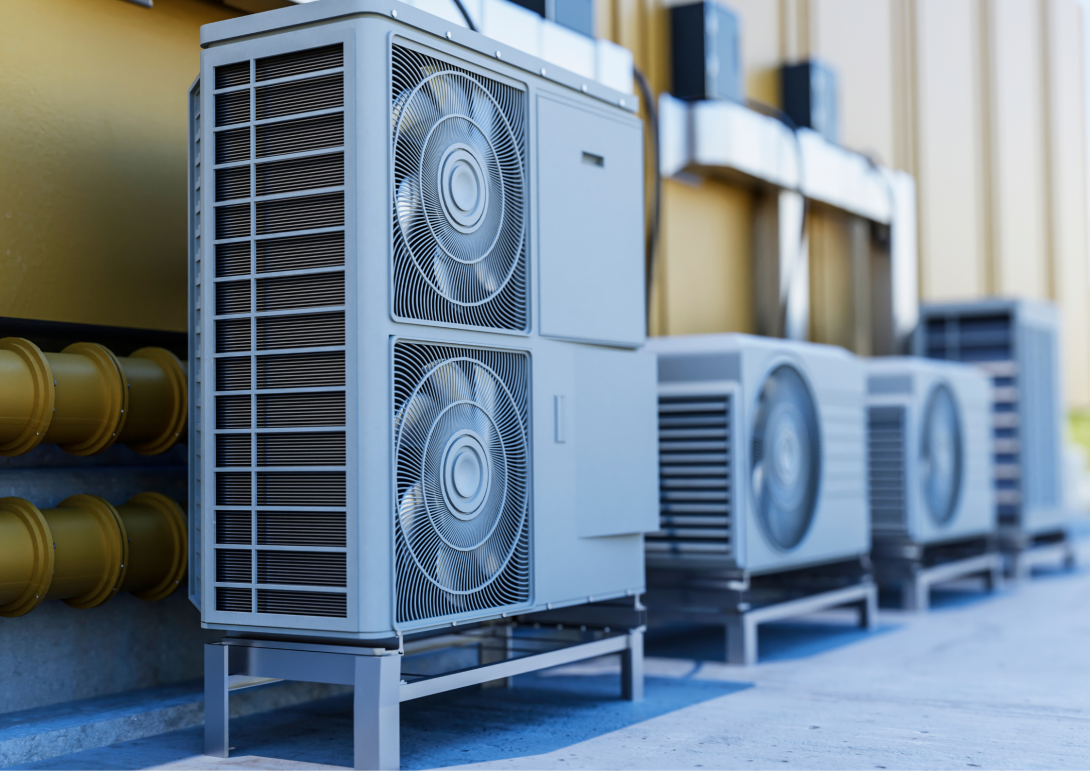
Growing concerns have emerged over how the Applied Comfort CoolFlow32 units are being marketed in the HVAC industry. The CoolFlow32 TPHE10L00E6 and TPHE10K10E6 models are advertised with efficiency ratings and performance specifications that appear inconsistent with established federal energy standards and recognized testing procedures. For homeowners, contractors, and commercial buyers, specification sheets serve as guides for purchasing decisions, expected operating costs, and regulatory compliance.
When published ratings fail to align with required standards, the impact can extend beyond performance concerns to legal, financial, and installation-related risks. Several issues with the CoolFlow32 models have raised questions about efficiency claims, equipment classification, and the accuracy of reported performance calculations in the U.S. HVAC market.
Concerns Over DOE Efficiency Compliance
Federal law requires HVAC equipment sold in the United States to meet minimum energy efficiency standards established by the U.S. Department of Energy (DOE). Air conditioners and heat pumps within this capacity range are evaluated under the SEER2 testing standards that reflect updated real-world operating conditions. For systems in the 10,000 BTU category, the minimum efficiency requirement is generally around 13.4 SEER2, depending on equipment classification and application.
However, when the publications for the Applied Comfort CoolFlow32 units are converted using DOE-recognized SEER2 calculations, the results appear to fall below the required federal limit. Based on these calculations, the units do not satisfy the minimum energy performance standards required for HVAC systems legally sold and installed in the U.S. market.
Questions Regarding Equipment Classification
Another concern involves how the CoolFlow32 units are classified for regulatory purposes. HVAC categories determine which testing procedures and efficiency requirements apply to a product during certification. Although the CoolFlow32 appears to operate similarly to a heat pump system, it is reportedly classified in a different equipment class that follows less stringent regulatory standards.
This classification allows the unit to be evaluated under requirements that are not typically applied to systems with comparable operating functionality. As a result, the equipment may avoid stricter standards that would otherwise apply to similar heat pump products.
Inconsistencies in Performance Specifications
There are also concerns about the CoolFlow32's performance data. The unit advertises a cooling capacity of 10,000 BTU together with an Energy Efficiency Ratio (EER) of 8.9. When these advertised numbers are applied to the standard formula, the resulting power consumption figures do not appear to align with values produced through certified laboratory testing. These inconsistencies raise concerns that the published specifications do not accurately reflect the operating performance.
Potential Risks for Buyers and Contractors
These issues may create significant concerns for both consumers and HVAC professionals. Buyers depend on efficiency ratings to estimate electricity usage, long-term operating expenses, and overall system value. If those ratings are inaccurate, actual energy costs could be higher than expected. Contractors also rely on manufacturer specifications to verify compliance with federal efficiency standards and local building codes. Installing equipment that fails to meet required standards could expose contractors, property owners, and developers to compliance violations, failed inspections, or potential regulatory penalties.
Final Perspective
The Applied Comfort CoolFlow32 TPHE10L00E6 and TPHE10K10E6 units have raised serious questions regarding regulatory compliance and transparency in HVAC product marketing. Low efficiency ratings, unclear equipment categories, and varying performance calculations have led to these models being placed under investigation.
For buyers, contractors, and property owners, accurate performance data is essential when making decisions involving energy consumption, compliance obligations, and long-term operational costs. Any uncertainty surrounding those specifications can create risks that extend far beyond the initial equipment purchase.