
Fashion design has evolved into one of the most dynamic and in-demand creative fields worldwide. With new trends emerging season after season and an increasing emphasis on sustainable, innovative, and inclusive fashion, the industry needs skilled, creative professionals now more than ever.
But what exactly do you learn in a fashion designing course? Is it just about sketching clothes or watching runway shows? Absolutely not. A comprehensive fashion designing course provides in-depth knowledge, technical training, and practical skills that prepare students for the real world of fashion.
If you’re passionate about fashion and considering pursuing a diploma or degree in fashion design, this guide will walk you through everything you can expect to learn during your course.
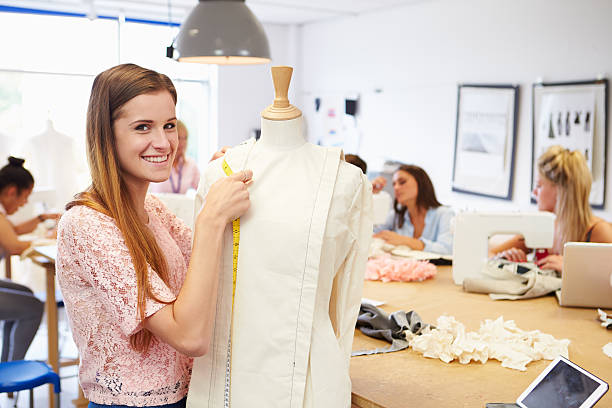
Overview of a Fashion Designing Course
A fashion designing course is structured to nurture creativity while developing the technical and professional skills required in the fashion industry. These programs are available at various levels:
- Diploma in Fashion Designing – Short-term, skill-focused, typically 1 to 2 years
- Bachelor Fashion Design Course (B.Des, BA, B.Sc in Fashion Design) – Undergraduate programs, usually 3 to 4 years
- Postgraduate and Specialized Programs – For advanced studies
While the depth of learning depends on the course level, the core curriculum across most reputable institutes covers key aspects of fashion design, including design principles, garment construction, textiles, marketing, and more.
What You’ll Learn: Complete Breakdown
1. Design Fundamentals and Aesthetics
The foundation of any fashion designing course lies in understanding design principles. You’ll learn how to translate creative ideas into visually appealing designs by mastering:
- Color theory and color combinations
- Elements of design: line, shape, form, space, and texture
- Principles of design: balance, contrast, emphasis, rhythm, and harmony
- Fashion sketching and illustration techniques
- Developing mood boards and concept presentations
This helps you communicate your design concepts clearly to clients, manufacturers, or design teams.
2. Fashion Illustration and Digital Design
Sketching is essential in the world of fashion. You’ll practice:
- Hand-drawing fashion figures (croquis)
- Rendering garments with accurate details
- Using shading, textures, and color to enhance illustrations
In addition to manual sketches, most fashion designing courses incorporate Computer-Aided Design (CAD) software, equipping you to:
- Create digital fashion sketches
- Design technical flats for production
- Develop digital patterns and prototypes
Mastering digital tools is crucial as the industry increasingly relies on technology for faster and more efficient design processes.
3. Textile Science and Fabric Knowledge
An in-depth understanding of fabrics is essential for any designer. Your course will cover:
- Types of natural and synthetic fibers (cotton, silk, wool, polyester, etc.)
- Fabric properties: stretchability, drape, weight, durability
- Fabric construction: woven, knitted, and non-woven textiles
- Textile dyeing, printing, and finishing techniques
- Innovative and sustainable fabric options
This knowledge helps you select the right materials for your designs, ensuring functionality, comfort, and aesthetics.
4. Pattern Making and Garment Construction
A fashion design concept is incomplete without knowing how to bring it to life. You’ll gain hands-on skills in:
- Pattern drafting techniques
- Draping fabric on dress forms
- Garment assembly and construction
- Sewing techniques for different fabrics
- Fitting adjustments and alterations
Through studio practice, you’ll create prototypes, samples, and final garments, turning your sketches into tangible pieces ready for the runway or market.
5. Fashion History and Global Trends
Fashion is ever-evolving, influenced by cultural, political, and artistic movements. Your course will provide:
- Study of fashion evolution through different eras
- Analysis of iconic designers and fashion houses
- Understanding how social trends impact fashion
- Researching global fashion trends and forecasting future styles
This historical and cultural context enriches your design process and inspires innovative ideas.
6. Fashion Marketing, Branding, and Merchandising
Fashion design isn’t just about creating beautiful garments—it’s a business. Your course will teach:
- Market research and consumer behavior
- Fashion branding strategies
- Merchandising and retail management
- Visual merchandising techniques
- Pricing, product placement, and promotions
- E-commerce and digital marketing basics
With this knowledge, you can effectively promote collections, understand your target audience, and navigate the competitive fashion market.
7. Sustainable Fashion and Ethical Practices
Modern fashion places immense focus on sustainability and ethics. Leading fashion design programs now include modules on:
- Sustainable materials and production processes
- Circular fashion and waste reduction
- Ethical sourcing and fair trade practices
- Upcycling and eco-conscious design innovations
Designers are increasingly expected to create fashion that is not only stylish but environmentally and socially responsible.
8. Portfolio Development and Presentation Skills
A standout portfolio is essential for launching your fashion career. During your course, you’ll:
- Curate your best designs and projects
- Develop mood boards, technical drawings, and final photographs
- Learn how to present your work professionally
- Participate in critiques to refine your skills
- Prepare for job interviews or launching your brand
By graduation, your portfolio will reflect your personal style, technical abilities, and design journey.
9. Fashion Shows and Industry Exposure
Most reputed fashion designing course offer opportunities to:
- Showcase your collections at fashion shows or exhibitions
- Intern with fashion houses, designers, or production units
- Attend industry events, guest lectures, and workshops
- Network with professionals and potential employers
Such real-world exposure builds confidence, enhances learning, and provides valuable industry connections.

Soft Skills You’ll Develop
Alongside technical training, a fashion designing course hones critical soft skills:
- Creativity and Innovation – Developing unique, trend-setting ideas
- Attention to Detail – Precision in design, construction, and finishing
- Problem-Solving – Overcoming design or technical challenges
- Time Management – Meeting deadlines during fast-paced projects
- Collaboration – Working with teams of designers, merchandisers, and marketers
- Communication – Presenting ideas and collections effectively
These skills are indispensable in the highly competitive and fast-moving fashion world.
Career Paths After a Fashion Designing Course
With the knowledge and skills gained, graduates can explore various fashion careers:
- Fashion Designer (apparel, accessories, footwear)
- Textile Designer
- Fashion Illustrator
- Pattern Maker or Technical Designer
- Fashion Stylist or Visual Merchandiser
- Fashion Buyer or Trend Forecaster
- Product Developer
- Costume Designer for film, TV, or theater
- Fashion Entrepreneur or Brand Owner
The versatility of a fashion designing course allows graduates to work with established brands, startups, or launch independent labels.
Final Thoughts: Is a Fashion Designing Course Worth It?
If you have a deep passion for fashion, creativity, and innovation, a fashion designing course can be the gateway to a fulfilling, global career. The course goes beyond sketching—it shapes you into a well-rounded professional equipped with:
✅ Technical expertise in design and garment creation
✅ Industry-relevant knowledge of marketing and trends
✅ An understanding of sustainable, ethical fashion practices
✅ A strong, professional portfolio to launch your career
With dedication, resilience, and continuous learning, this course prepares you to thrive in one of the most exciting and fast-evolving industries.