

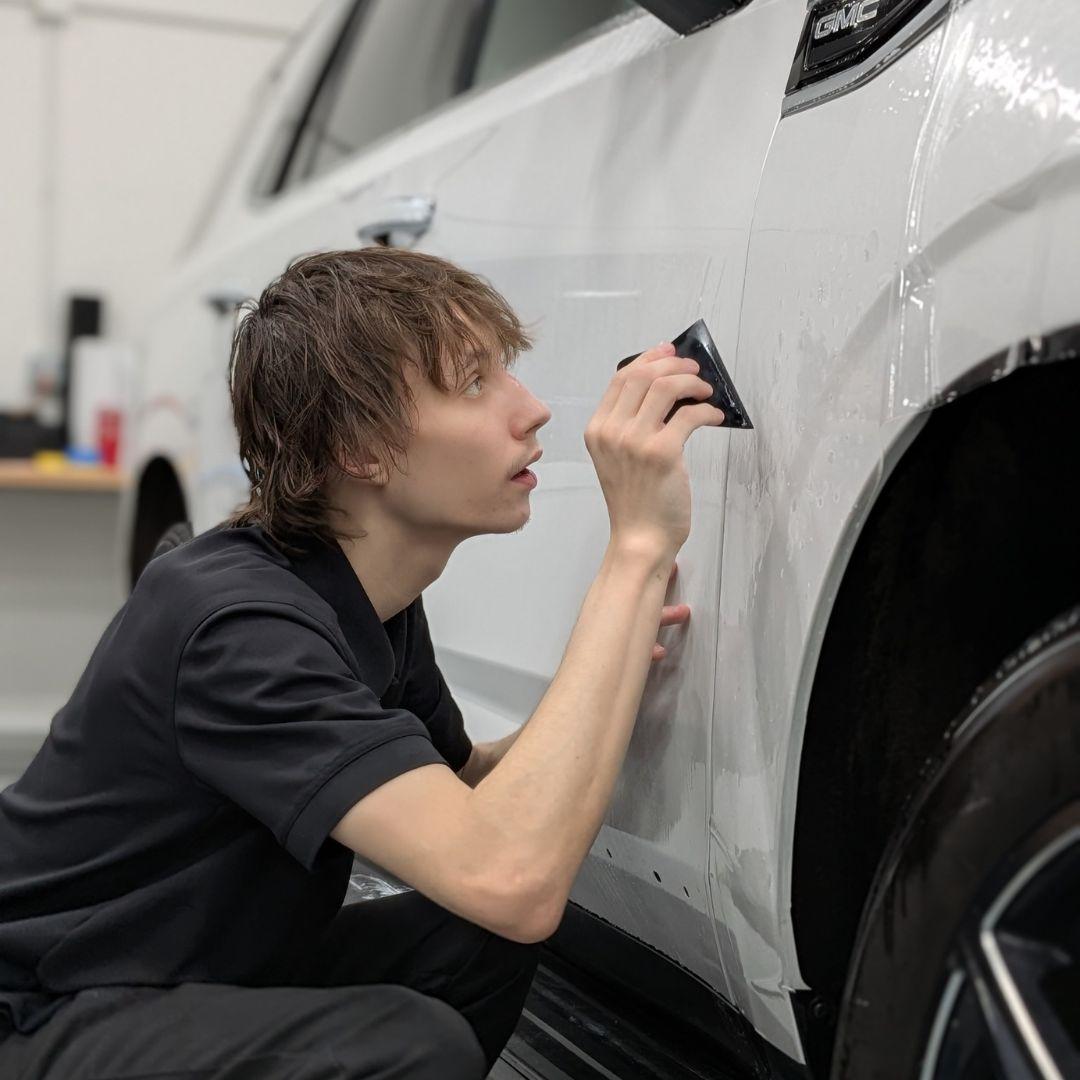
Your car's paint takes a beating. Every mile brings new threats: rock chips from highways, bird droppings that etch the clear coat, UV rays that fade color, and tree sap that bonds to your hood. Paint protection film is the invisible shield that stops all of this. It's not a wax. It's not a coating. It's a durable thermoplastic urethane layer that absorbs impact, prevents staining, and keeps your car looking showroom-fresh for years. If you've invested serious money in your vehicle, this protection actually makes financial sense.
The Real Damage Your Paint Faces Daily
Most car owners don't realize how fragile their paint actually is. That clear coat protecting your vehicle's color is only a few microns thick. Rock chips from highway driving create permanent damage that no polish can fix. Bird droppings contain acids that eat through the clear coat in hours. Even parking under trees exposes your paint to sap, pollen, and potential chemical damage.
UV rays fade paint gradually. You might not notice it until you wash your car and see the fading pattern where dirt accumulated. Salt spray in the winter months accelerates corrosion. Your beautiful paint job survives only because it's constantly under attack from invisible threats.
Paint protection film blocks all of this. It's like giving your car an invisible suit of armor that still lets the original paint shine through completely.
How Paint Protection Film Protects Your Investment
Here's what makes paint protection film different from anything else you can apply to your car. The film is self-healing. Minor scratches and swirl marks literally disappear when you apply heat, thanks to the polymeric properties of the material. This isn't marketing hype. It's actual chemistry working in your favor.
The film also prevents oxidation and chemical bonding of contaminants. Bird droppings, tree sap, and industrial fallout can't permanently damage your paint because they're sitting on top of the protective layer. You remove them without worry. Your actual paint underneath stays pristine.
Most quality paint protection film includes UV protection built into the material itself, so your paint color stays vibrant for the life of the car. Combined with its impact-absorption properties, it's the closest thing to paint immortality that exists.
Full Coverage Versus Spot Coverage: What Makes Sense
Some car owners apply paint protection film only to high-impact areas: front bumper, hood, fenders, and mirrors. These zones take the most abuse, so partial coverage makes sense if the budget is tight. You're protecting where damage happens most.
Full-body coverage offers complete peace of mind. Your entire car stays protected. Door handles, rocker panels, and rear bumpers don't show wear or fading. If you ever decide to sell, the car looks like it rolled off the lot. Full coverage costs more upfront, but it's the smart move for anyone keeping their car long-term.
PPF installers usually recommend starting with front-end protection and expanding later if the budget allows. Both approaches work. It depends on your vehicle's value and your plans for keeping it.
Choosing Quality PPF Installers Matters
Not all paint protection film installations are equal. Cheap film yellows over time. Poorly applied film traps moisture underneath, causing damage. Quality PPF installers use premium brands like XPEL or 3M, follow precise application protocols, and back their work with a warranty.
Professional installers have the tools and training to cut film perfectly to your vehicle's contours. They understand how different paints respond to heat. They know which edges need extra attention to prevent lifting. This expertise directly impacts how long your protection lasts and how invisible it looks.
Choosing experienced installers means your investment actually protects your car instead of creating future headaches.
Protecting What Matters
Your car isn't just transportation. It's an investment that depreciates. Paint protection film slows that depreciation significantly by keeping your car looking newer longer. When you trade it in or sell it, buyers notice the difference in condition. They'll pay more for a vehicle with pristine paint than one showing years of wear. That financial return often covers the installation cost, making this protection actually free when you factor in resale value. That's the real benefit of taking this step today.