

Embarking on a hair transplant in Riyadh is a significant decision, one that holds the promise of renewed confidence and a fuller head of hair. Understanding the various stages involved can help alleviate anxiety and ensure a smoother, more informed experience. This comprehensive guide outlines what you can typically expect during your hair transplant journey in Riyadh, from the initial consultation to the long-term results.
Phase 1: The Initial Consultation – Laying the Foundation
Your journey begins with a crucial initial consultation with a qualified and experienced hair transplant surgeon in Riyadh. This is a pivotal step where you and the surgeon will discuss your hair loss concerns, medical history, and desired outcomes. Expect the surgeon to:
- Assess Your Hair Loss: The surgeon will meticulously examine your scalp, evaluating the pattern and extent of your hair loss using various tools and classifications (like the Norwood scale for men or the Ludwig scale for women).
- Review Your Medical History: You'll be asked about your past and present medical conditions, any medications you're taking, and your family history of hair loss. This information is vital to determine your suitability for the procedure and identify any potential risks.
- Evaluate Your Donor Area: The surgeon will assess the density and quality of hair in your donor area (typically the back and sides of your scalp) to determine if you have sufficient grafts for transplantation.
- Discuss Treatment Options: Based on your assessment, the surgeon will explain the different hair transplant techniques available (FUE, FUT, DHI) and recommend the most suitable option for your specific needs and goals.
- Set Realistic Expectations: The surgeon will discuss the potential outcomes of the surgery, the timeline for hair growth, and what you can realistically expect in terms of density and coverage. It's crucial to have an open and honest conversation to align your expectations with what can be achieved.
- Discuss the Procedure in Detail: You'll receive a thorough explanation of the chosen technique, including the steps involved, the duration of the surgery, and the type of anesthesia to be used.
- Address Your Questions and Concerns: This is your opportunity to ask any questions you may have about the procedure, recovery process, potential risks, and aftercare. Don't hesitate to voice any anxieties or uncertainties.
- Provide a Cost Estimate: The clinic will provide you with a detailed breakdown of the costs involved, including the surgical fee, anesthesia, medications, and follow-up appointments.
Phase 2: Pre-Operative Preparation – Getting Ready
Once you decide to proceed with the hair transplant, you'll enter the pre-operative phase. This typically involves:
- Medical Evaluations: You may be required to undergo blood tests and other medical evaluations to ensure you are in good health for surgery.
- Medication Adjustments: Your surgeon may advise you to stop taking certain medications, such as blood thinners or anti-inflammatory drugs, in the days leading up to the procedure.
- Lifestyle Modifications: You might be asked to avoid alcohol and smoking for a specific period before the surgery, as these can affect healing and graft survival.
- Scalp Preparation: You'll receive instructions on how to prepare your scalp before the surgery, which may involve washing it with a specific shampoo.
- Planning Logistics: If you're traveling from outside Riyadh, ensure your travel and accommodation arrangements are in place. The clinic may provide guidance on nearby hotels or transportation options.
Phase 3: The Day of the Surgery – The Main Event
The hair transplant surgery day will typically involve:
- Arrival and Preparation: You'll arrive at the clinic, complete any necessary paperwork, and change into a surgical gown.
- Anesthesia Administration: Local anesthesia will be administered to numb your scalp, both the donor and recipient areas. You will likely be awake during the procedure but will not feel any significant pain. Some clinics may offer a mild sedative to help you relax.
- Donor Hair Harvesting: Depending on the chosen technique (FUE or FUT), the surgeon will extract hair follicles from your donor area. For FUE, individual follicles are extracted using a micro-punch tool. For FUT, a strip of skin containing hair follicles is removed.
- Graft Preparation: The harvested follicles are meticulously prepared and sorted into individual follicular units under a microscope by a team of technicians.
- Recipient Site Creation: The surgeon will create tiny incisions (recipient sites) in the balding or thinning areas where the grafts will be implanted. The angle, depth, and density of these sites are crucial for achieving a natural-looking result. In DHI, this step is often combined with implantation.
- Graft Implantation: The prepared follicular units are carefully and strategically implanted into the recipient sites. This is a meticulous process that requires precision and artistry to ensure natural hair growth patterns.
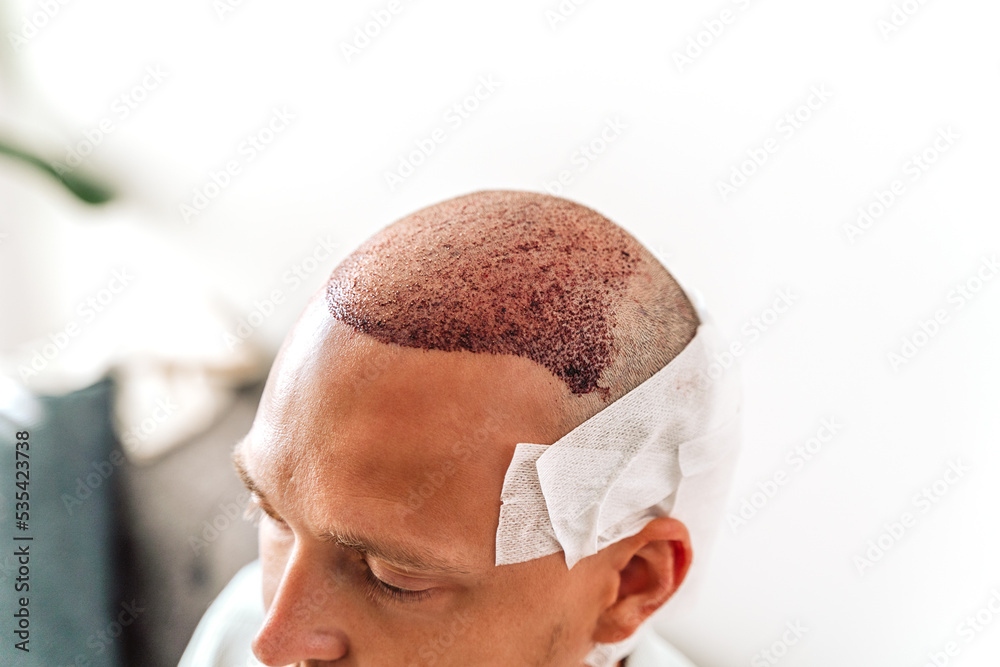
- Post-Operative Care Instructions: Once the procedure is complete, your scalp will be cleaned and bandaged. You'll receive detailed instructions on how to care for your newly transplanted hair, including medication schedules, washing guidelines, and activity restrictions.
Phase 4: The Initial Recovery Period – Healing and Patience
The immediate post-operative period is crucial for healing and graft survival. Expect:
- Swelling and Redness: It's common to experience some swelling and redness in the treated areas for the first few days.
- Mild Discomfort: You may feel mild pain or discomfort, which can be managed with prescribed pain medication.
- Scab Formation: Small scabs will form around the transplanted follicles. It's essential not to pick at these scabs, as this can dislodge the grafts.
- Sleeping Position: You'll likely be advised to sleep with your head elevated to minimize swelling.
- Washing Instructions: You'll receive specific instructions on how and when to gently wash your hair.
- Activity Restrictions: You'll need to avoid strenuous activities and direct sun exposure for a few weeks.
- Follow-Up Appointments: You'll have scheduled follow-up appointments with the clinic to monitor your healing progress and address any concerns.
Phase 5: The Waiting Game – Growth and Transformation
This is the phase that requires the most patience. Expect:
- Shock Shedding: It's common for the transplanted hair to fall out within the first few weeks after the surgery. This is a temporary phase and does not affect the long-term growth of the new follicles.
- New Hair Growth: New hair growth typically begins around 3-4 months after the procedure. The initial growth may be sparse and fine.
- Gradual Improvement: Over the following months, the transplanted hair will gradually grow thicker and denser. You'll start to see noticeable improvements in your hair density and coverage.
- Final Results: The final results of your hair transplant are usually visible within 12-18 months. It takes time for the transplanted hair to fully mature and blend seamlessly with your existing hair.
Phase 6: Long-Term Care – Maintaining Your Investment
Once you achieve your desired results, long-term care is essential to maintain your hair transplant. This may involve:
- Following Your Surgeon's Advice: Adhere to any long-term care recommendations provided by your surgeon.
- Maintaining a Healthy Lifestyle: A balanced diet and healthy lifestyle can contribute to overall hair health.
- Using Recommended Hair Care Products: Your surgeon may recommend specific shampoos or hair care products.
- Considering Additional Treatments: In some cases, your surgeon may suggest complementary treatments like PRP (Platelet-Rich Plasma) therapy to further enhance hair growth and density.
- Regular Check-ups: Attending periodic check-ups with your surgeon can help monitor the health of your transplanted hair.
Your hair transplant journey in Riyadh is a multi-stage process that requires careful planning, realistic expectations, and diligent adherence to your surgeon's instructions. By understanding what to expect at each phase, you can approach the procedure with greater confidence and embark on the path to a fuller head of hair and renewed self-esteem.