
Asbestos was once widely used in modern construction materials due to its heat resistance, insulating ability, and strength. For a long time, it was widely used in residential and commercial buildings throughout the United States. But today, asbestos is recognized as a serious environmental and health problem. When asbestos-containing materials are disturbed during renovation, vandalism, storm loss, or increasing aging decay, the microscopic fibers can become airborne and remain suspended for hours.
This creates serious respiratory health risks. Once asbestos fibers enter the lungs, they can be fully embedded within tissues, possibly particularly serious diseases along with mesothelioma, lung cancer, and asbestosis, because symptoms often take many years to appear, making asbestos exposure particularly dangerous.
Professional asbestos removal is a tightly controlled process designed to capture, incorporate, dispose of and properly release hazardous materials without contaminating the surrounding environment. For property owners searching for reliable Asbestos Abatement Huntsville services, understanding the process is essential before beginning any renovation or restoration project.
Why Professional Asbestos Removal Is Necessary
One of the most important misconceptions about asbestos is the belief that all asbestos materials are immediately dangerous. In reality, asbestos is often risky if damaged, disturbed, or treated improperly. Drilling through asbestos-containing drywall, finishing older flooring, reducing insulation, breaking down contaminated materials or cutting or breaking materials can release microfiber loads into the air within minutes.
Once the contamination has spread through ventilation systems or settled on porous surfaces, it often becomes extra complicated and expensive to deal with, which is why professional asbestos removal places a lot of emphasis on containment and managed removal processes as opposed to simple demolition.
Older homes are especially vulnerable to hidden asbestos contamination. Common materials that contained asbestos include pipe insulation, roof texture, earth tiles, roofing products, HVAC insulation, siding materials, and cement products, and many of those items remain hidden behind partitions, roofs, and mechanical structures, so any professional construction inspections become essential prior to construction.
The Initial Inspection and Asbestos Testing Phase
Every specialist begins the asbestos removal process with a detailed inspection. Before proceeding with legal or effective removal, certified asbestos inspectors must determine whether asbestos-containing materials are present, investigate the condition, and assess the level of exposure.
This training includes a combination of visual assessments, material sampling, and laboratory evaluation. Samples from suspected substances are carefully collected and sent to accredited testing centers for microscopic evaluation. Because asbestos-containing products usually resemble non-hazardous substances, visual identification alone is in no way considered reliable.
The inspection also makes it easier to assess whether asbestos is damaged or intact. Friable materials are especially dangerous because they are easily decomposed and are capable of releasing fibers into the air with minimal disturbance. Non-destructive materials are generally stronger but may also be unsafe during renovation or demolition operations.
Beyond identifying contamination, the inspection process also helps remediation professinals to enhance appropriate prevention strategies even by ensuring compliance with environmental and occupational safety guidelines.
Creating the Asbestos Abatement Plan
Once asbestos is found, the removal contractor will create a detailed abatement plan tailored to the level of use and contamination. Commercial asbestos remediation is regulated through strict federal, state, and local regulations, including requirements set through OSHA and the EPA.
The extermination plan outlines containment methods, worker safety strategies, air monitoring requirements, removal strategies, and cleanup protocols. For large business estates, colleges, healthcare facilities, or commercial websites, environmental consultants can also oversee parts of the project to verify compliance and keep records.
The complexity of the eradication program depends heavily on many factors, including location of asbestos material, accessibility, building use, and amount of contamination. In some situations, partial containment may be sufficient, while large operations may require additional full negative-pressure isolation systems at some stage in some areas.
Containment and Site Preparation
Containment is one of the most technically important phases of asbestos abatement. The primary objective is preventing asbestos fibers from spreading beyond the designated work area.
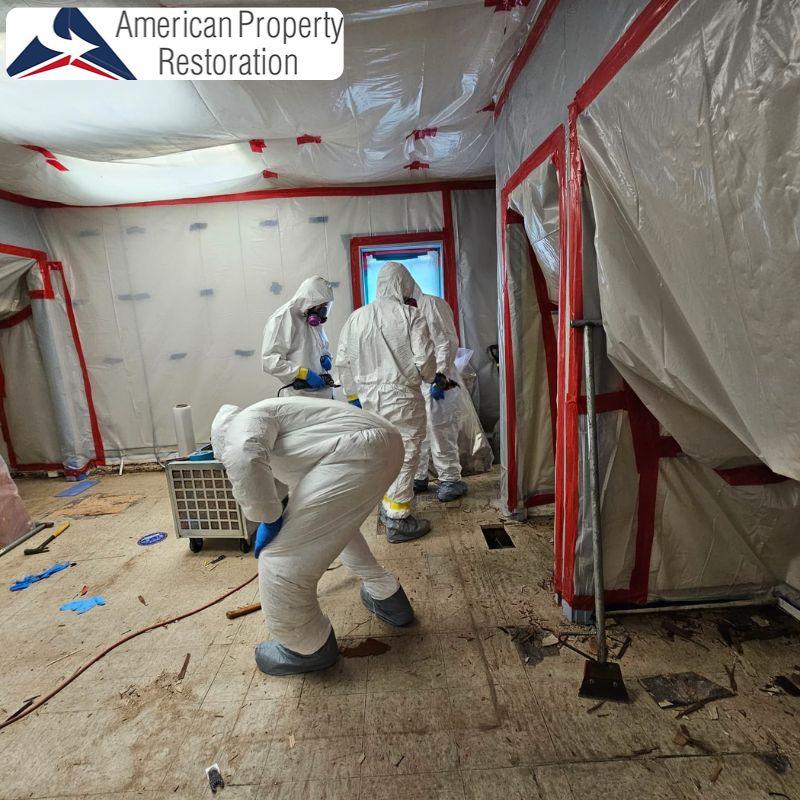
Before removal begins, restoration crews isolate contaminated sections of the property using industrial-grade polyethylene barriers and sealed containment systems. HVAC systems are shut down or sealed to prevent airborne fibers from circulating through the building.
Professional containment systems typically include:
- Negative air pressure machines with HEPA filtration
- Sealed entry and exit chambers
- Restricted work zones
- Decontamination units
- Protective floor and wall barriers
Negative air devices continuously filter the air within the containment area to maintain controlled airflow that prevents contaminants from entering the area.
Without proper containment, asbestos fibers can quickly spread through ventilation systems and contaminate unaffected areas of the building, notably increasing cleanup costs and fitness risks.
Safety Procedures and Protective Equipment
Professional asbestos eradication teams operate under strict strict safety standards. Licensed technicians will wear specialized protective equipment that is designed to reduce outdoor exposure and protect you from contamination.
This usually includes a disposable, HEPA-filtered full-body respirator, protective gloves, eye protection, and special footwear. In addition, workers must be tested for proper decontamination procedures when entering or leaving detention areas.
Unlike fashionable demolition work, asbestos removal is carefully controlled and legal. However, the goal is not always speed, reducing fiber disturbance, and maintaining environmental protection sometimes in the disposal method.
Continuous air monitoring is conducted through multiple stages to determine if airborne fiber levels are within regulated safety limits.
The Actual Asbestos Removal Process
Once containment and security systems are fully in place, technicians begin removing asbestos-containing materials using specific low-disturbance strategies. The most common strategies involve a wet removal method in which materials are saturated with water or specialized wetting agents before handling them.
Instead of aggressively degrading contaminated products, technicians carefully and systematically release them. Pipe insulation, roofing materials, drywall joints, floor tiles and HVAC insulation are removed in several parts, which must be retained as long as maximum manipulation control is maintained.
Asbestos dust is sealed immediately in approved leak-proof disposal containers or in sealed containers complying with hazardous waste regulations. This material cannot be disposed of with particles of normal production and must be transported to legal hazardous waste disposal.
The amount of disposal required depends on the condition of the fabric and the future use of the item. In a few restrained cases, encapsulation can be avoided, where asbestos-containing materials are sealed under protective coating rather than completely removed, but complete removal is often preferred all through substantial renovation or recycling projects.
Air Quality Monitoring and Clearance Testing
Air quality verification is one of the most critical aspects of occupational asbestos abatement. Additionally, even after the spotted substances are removed, microscopic asbestos fibers can still remain inside the containment area if cleanup procedures are incomplete.
Professional asbestos operations usually undergo independent environmental testing before, sometimes, and after removal operations. Air sampling systems measure airborne fiber concentrations to ensure that certain containment systems are working properly and that chamber areas are safe.
Once removal is complete, a through cleanup within the containment area using HEPA vacuuming, wet drying strategies, and industrial air filtration structures is performed, followed by the completion of the cleanup effort to confirm that the airborne asbestos area meets reclamation regulations.
Containment barriers will not be removed until a final air clearance testing has been completed and the area is confirmed to be safe.
It is this final verification step that protects every property owner and contractor and ensures that the mitigation contractor is in full compliance with environmental guidelines.
How Long Does Professional Asbestos Removal Take?
There is no standard timeline for asbestos removal because the complexity of each job varies. Additionally, small residential moves can take just a few days, while a large commercial or commercial renovation project can last several weeks.
The timeline depends on factors such as:
- Size of the contaminated area
- Accessibility of materials
- Type of asbestos present
- Building occupancy requirements
- Air testing schedules
- Regulatory inspections
Projects involving water damage, fire restoration, or structural demolition may require additional environmental controls and cleanup procedures, extending the restoration timeline further.
Why DIY Asbestos Removal Creates Major Risks
Attempting to remove asbestos without specialized containment systems and permitting strategies can significantly increase contamination sometimes on the property. Asbestos inappropriately regularly releases fibers into ventilated structures, carpets, insulation, and hidden cavities, where contamination becomes difficult and expensive to eliminate.
Improper handling of asbestos can also violate environmental regulations and create legal liability problems during the sale or inspection of future property.
Projects involving water damage, fire damage restoration, or structural demolition may likewise require additional environmental monitoring and cleanup techniques to support a remediation timeline.
Choosing the Right Asbestos Abatement Company in Huntsville
Asbestos removal requires fairly specialized knowledge, environmental understanding, and experience in compliance. Property owners should only work with licensed asbestos professinals who understand proper containment, optimal air management, unsafe debris disposal, and structural recycling methods.
It is important when deciding on an Asbestos Abatement Huntsville contractor. The licensed processing company will provide licensing checks, clear documentation, industrial-grade HEPA filtration systems, and complete regulatory compliance at all locations of the company.
By integrating environmental remediation with medical expertise, companies are often more prepared to face complex asbestos removal situations, including fireplace loss, water intrusion, mold infestation, or structural protection.
Trust American Property Restoration for Professional Asbestos Abatement
Every asbestos infestation requires immediate, technically specialized remediation and long-term building safety measures to protect the occupants of the property. Strict environmental and occupational safety requirements must be taken care of at all technical stages, from special controls and containment management to safe removal, disposal and clearance testing.
American Property Restoration provides professional asbestos inspection, containment, and removal for residential and industrial homes. Their group uses advanced containment systems, HEPA filtration rates, permitted abatement strategies, and industry-standard environmental monitoring to successfully and efficiently tackle asbestos hazards.
For property owners renovating plans, dealing with a buildup of aging materials, or responding to environmental contamination issues, professional asbestos removal is the safest and easiest way to restore a healthy indoor environment.
The Article “What to Expect During a Professional Asbestos Removal Process” was originally posted here.