
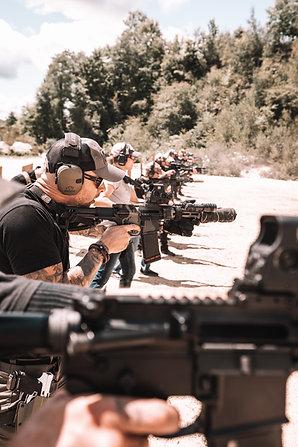
Enrolling in tactical firearms training can offer structured education for people who are legally permitted to own or handle firearms and want to build safer, more responsible habits. Unlike casual practice, a professionally supervised course emphasizes judgment, awareness, accountability, and controlled decision-making under pressure. The value is not only learning how equipment works, but understanding when avoidance, de-escalation, secure storage, and lawful restraint matter most. For civilians, security professionals, and responsible firearm owners, the right training can turn uncertainty into disciplined confidence.
Responsible Safety Habits and Risk Reduction
The strongest benefit of quality training is a deeper respect for safety. Students learn to treat every scenario as serious, to follow range rules consistently, and to recognize how quickly complacency can create danger. Good instructors also reinforce secure storage, transportation, and access control, which helps protect family members, visitors, and the wider community.
Sharper Decision-Making Under Stress
Tactical firearms training often places decision-making before action. Participants may be asked to identify threats, consider legal boundaries, communicate clearly, and choose safer alternatives when possible. This mental conditioning is valuable because real emergencies are confusing, fast, and emotionally charged. A responsible course teaches students to slow their thinking, manage fear, and avoid impulsive reactions that could worsen a situation.
Practical Value for Home and Personal Security
For many adults, the real-world interest in training is connected to personal or household protection. A good program helps people examine realistic risks, understand safe storage plans, and think through communication with family members during emergencies. It can also clarify the difference between preparation and paranoia. Rather than encouraging confrontation, reputable training usually stresses avoidance, calling authorities, creating distance, and knowing local responsibilities.
Professional Applications in Security and Public Safety
Some participants enroll because their work involves protecting people, property, or sensitive locations. Security officers, armored transport personnel, investigators, and certain public safety workers may benefit from supervised instruction that supports policy compliance and professional discipline. In these settings, training is less about appearing forceful and more about accountability, communication, documentation, and making decisions that can be reviewed afterward.
Confidence Without Recklessness
One misunderstood benefit of training is confidence. Real confidence is not a desire to take risks; it is the ability to recognize limits and act responsibly within them. Students who practice under qualified supervision often become more aware of how much skill, patience, and judgment responsible firearm ownership requires. That awareness can reduce overconfidence, which is one of the most dangerous attitudes around any weapon.
Legal Awareness and Ethical Responsibility
Firearm decisions carry serious legal and moral consequences, so education should include more than marksmanship. Reputable courses encourage students to learn relevant laws, understand reporting duties, and appreciate that rules differ by location and circumstance. Because laws can change, students should confirm current requirements through official sources or qualified legal professionals rather than relying on assumptions.
Final Thoughts
Tactical firearms training is most beneficial when it is lawful, professionally supervised, and grounded in safety, restraint, and personal responsibility. Its real-world value appears in safer storage habits, clearer emergency planning, stronger judgment under stress, and better understanding of the serious consequences connected to firearm decisions. For the right student, the greatest lesson is not how to appear prepared, but how to think carefully, avoid unnecessary danger, and protect life responsibly in every circumstance they face.