

Understanding the liposuction surgery in Riyadh is crucial for anyone considering this popular body contouring surgery. Riyadh's advanced medical facilities and experienced plastic surgeons offer various techniques, each with its own nuances, but the core steps remain consistent. Here’s a detailed breakdown of what to expect during the liposuction process in a reputable Riyadh clinic.
1. Initial Consultation and Assessment
The journey begins with a comprehensive consultation with a board-certified plastic surgeon in Riyadh. During this vital first step:
- Discussion of Goals: You'll articulate your aesthetic goals, specifying the areas where you desire fat reduction (e.g., abdomen, flanks, thighs, arms, chin). The surgeon will assess if liposuction is the right procedure to achieve your desired outcome, emphasizing that it's for body contouring, not significant weight loss.
- Medical History Review: A thorough review of your medical history is conducted, including any pre-existing conditions, allergies, medications (prescription, over-the-counter, and herbal supplements), and previous surgeries. This helps identify any potential risks or contraindications.
- Physical Examination: The surgeon will physically examine the areas you wish to treat, assessing skin elasticity, fat quantity, and overall body proportion. Good skin elasticity is vital for optimal results, as it allows the skin to contract smoothly after fat removal.
- Technique Explanation: Your surgeon will explain the different liposuction techniques available in Riyadh, such as:
- Tumescent Liposuction: This is the most common method. A large volume of sterile solution (saline, lidocaine for pain, and epinephrine to constrict blood vessels) is injected into the fatty tissue. This numbs the area, minimizes blood loss, and makes fat removal easier.
- VASER Liposuction (Ultrasound-Assisted Liposuction): This technique uses ultrasonic energy to liquefy fat cells before they are suctioned out. It's often favored for fibrous areas or for more precise contouring, and it may offer some skin tightening benefits.
- Laser-Assisted Liposuction (LAL or SmartLipo): Laser energy is used to melt fat cells, which are then gently suctioned. The heat from the laser also stimulates collagen production, potentially leading to improved skin retraction.
- Power-Assisted Liposuction (PAL): A specialized cannula with a vibrating tip helps break up fat more easily, allowing the surgeon to remove fat with less effort and potentially greater precision.
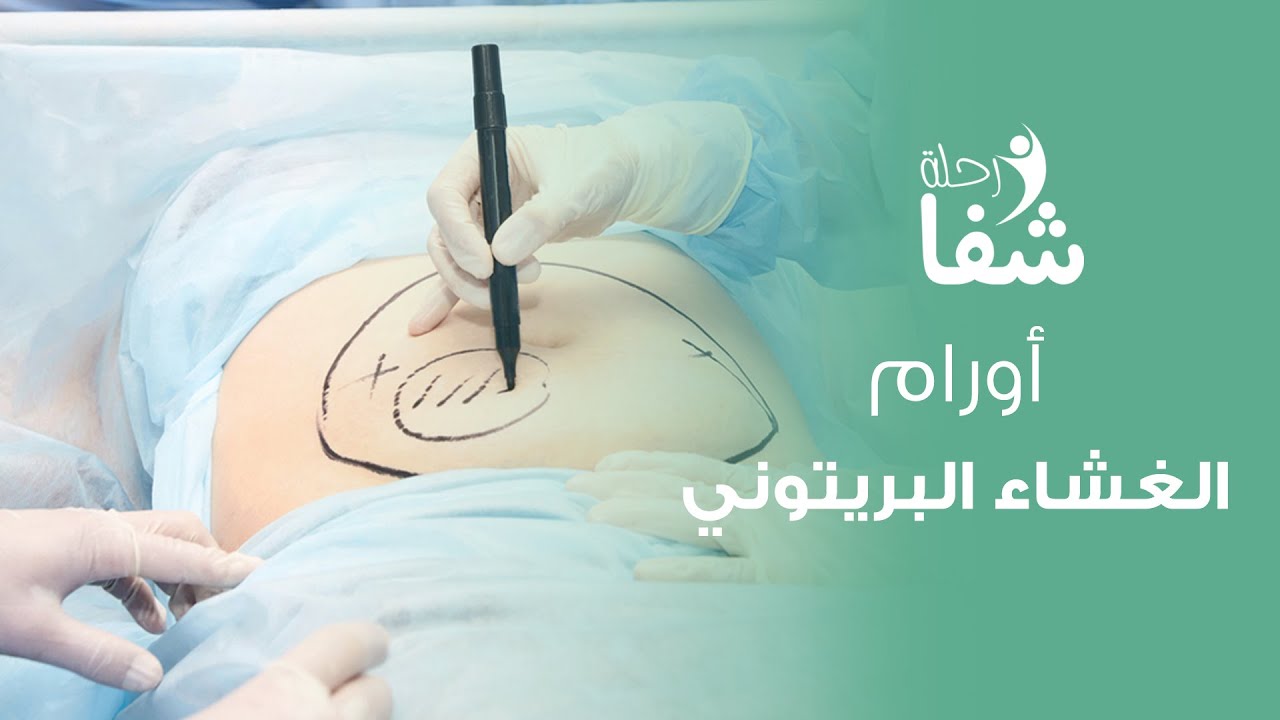
- Photography and Marking: Before the procedure, your surgeon will often take pre-operative photos and draw precise markings on your body to guide the fat removal and contouring process.
2. Pre-Operative Preparation
Once the decision is made to proceed, you'll receive detailed instructions to prepare for surgery. These typically include:
- Medication Adjustments: You'll be advised to stop certain medications and supplements that can increase bleeding (e.g., aspirin, NSAIDs, certain herbal remedies) for at least two weeks before surgery.
- Smoking and Alcohol Cessation: Smoking and alcohol can impair healing and increase complication risks. Quitting for several weeks pre- and post-surgery is strongly recommended.
- Arranging Support: You'll need to arrange for someone to drive you home after the procedure and assist you during the initial recovery period.
- Fasting: You will be given specific instructions regarding fasting before surgery, usually for at least 6-8 hours.
- Hydration and Healthy Diet: Maintaining good hydration and a nutritious diet in the days leading up to surgery can support your body's healing capacity.
3. The Liposuction Procedure
On the day of surgery, here’s a general overview of what happens:
- Anesthesia Administration: Depending on the extent of the areas being treated and your surgeon's preference, you will receive either local anesthesia with sedation (keeping you awake but relaxed) or general anesthesia (putting you to sleep). Your comfort and safety are paramount.
- Sterilization and Incisions: The treatment areas will be thoroughly cleaned and sterilized. Small, discreet incisions (typically 2-4 mm) are made in predetermined, inconspicuous locations to minimize visible scarring.
- Infiltration of Tumescent Solution (if applicable): If tumescent liposuction or a variation is being used, the specialized saline solution containing lidocaine and epinephrine will be carefully injected into the fatty tissue. This step is crucial for numbing the area, reducing bleeding, and making the fat easier to remove.
- Fat Emulsification/Disruption (for VASER, Laser, PAL): For advanced techniques, the specific energy (ultrasound or laser) or mechanical vibration (PAL) is applied through the cannula to break down and liquefy the fat cells. This prepares the fat for easier suction.
- Fat Aspiration: A thin, hollow tube called a cannula is inserted through the small incisions into the fat layer. The surgeon then moves the cannula back and forth in a controlled motion to gently dislodge and suction out the liquefied or loosened fat using a surgical vacuum pump or syringe. The surgeon meticulously sculpts the area to achieve a smooth, natural contour.
- Closure and Compression: Once the desired amount of fat is removed and the contour is satisfactory, the incisions are typically closed with sutures or surgical tape. In some cases, very small incisions may be left open to allow for drainage. A compression garment is immediately applied to the treated areas. This garment is crucial for reducing swelling, encouraging skin retraction, and supporting the new body shape.
4. Post-Operative Care and Recovery
After the procedure in Riyadh, you will be moved to a recovery area for monitoring as the anesthesia wears off.
- Initial Discomfort: You will experience some swelling, bruising, and soreness in the treated areas. Pain medication will be prescribed to manage discomfort.
- Compression Garment: The compression garment is a critical part of your recovery and must be worn as instructed by your surgeon, often continuously for several weeks.
- Drainage: In some cases, small drainage tubes may be temporarily placed to remove excess fluid, though this is less common with modern techniques.
- Activity Restrictions: While light walking is encouraged to promote circulation, strenuous activities, heavy lifting, and intense exercise must be avoided for several weeks.
- Follow-up Appointments: Regular follow-up appointments with your surgeon in Riyadh are essential to monitor your healing, remove sutures (if any), and ensure optimal results.
Understanding these steps will help you feel more prepared and confident as you embark on your liposuction journey in Riyadh, ensuring a smoother experience and better outcomes.