
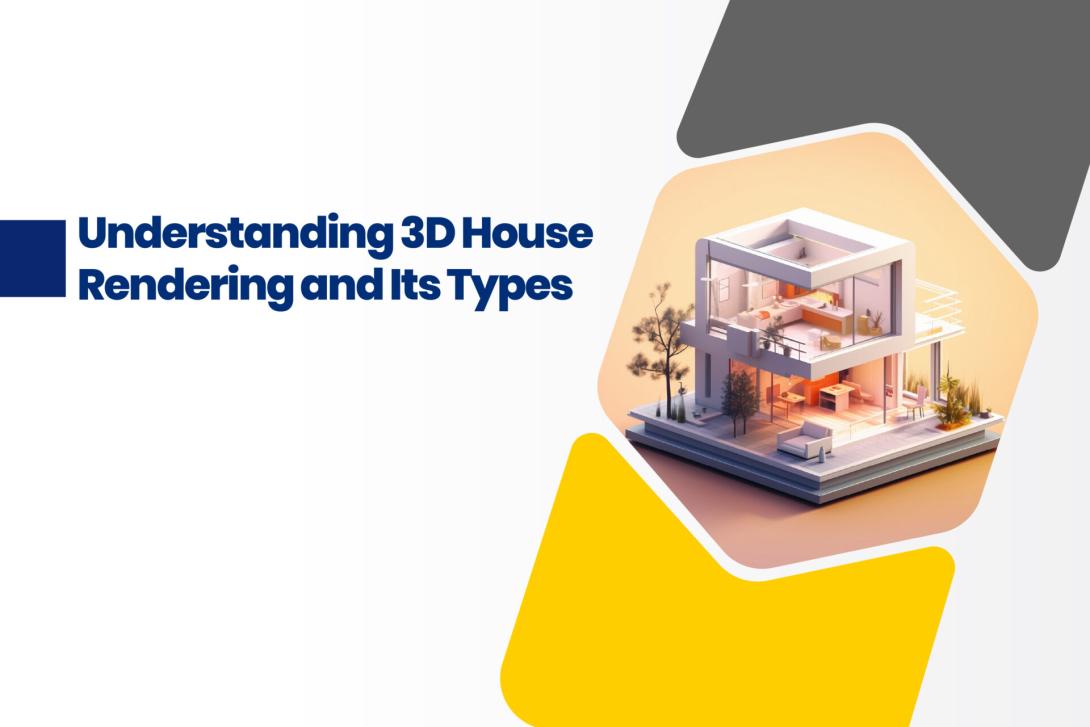
In the ever-evolving world of architecture and interior design, visualization plays a critical role in turning creative concepts into concrete realities. One of the most powerful tools driving this transformation is 3D House Rendering. Whether you're an architect, designer, builder, or homeowner, understanding 3D rendering and its various types can significantly enhance project planning and execution.
At Karpagam Architecture, students are trained to master the latest rendering techniques, enabling them to communicate design ideas effectively and professionally. This blog explores what 3D house rendering is, why it's essential, and the different types that are shaping modern architectural visualization.
What is 3D House Rendering?
3D House Rendering is the process of creating photorealistic or non-photorealistic images of a house using computer software. It involves modeling the structure, materials, lighting, and environment in a virtual 3D space to produce images or walkthroughs that showcase what the final construction will look like.
This technique has revolutionized architectural presentations by allowing clients and stakeholders to visualize homes before they’re built, enabling better decision-making and reducing costly changes during construction.
Why is 3D Rendering Important in Architecture?
At institutions like Karpagam Architecture, students are taught how 3D rendering has become indispensable in modern design. Here’s why it matters:
- ✅ Clarity and Communication: A 3D render eliminates ambiguity by showing exact layouts, materials, and textures.
- ✅ Client Approval: Clients can see a lifelike version of their future home, leading to quicker and more confident approvals.
- ✅ Design Experimentation: Architects can test different styles, color schemes, and materials virtually.
- ✅ Marketing Advantage: Real estate developers and architects use 3D visuals for brochures, websites, and presentations to attract buyers and investors.
Types of 3D House Rendering
Depending on the project phase and purpose, various types of 3D house renderings are used. Here are the most common ones:
1. Exterior Rendering
This type focuses on the outside view of the house. It includes elements like roofing, walls, landscaping, lighting, and the surrounding environment. Exterior 3D rendering is especially useful for showcasing different facade styles and how the house integrates with its surroundings.
Use Case: Real estate promotions, municipal approvals, and client presentations.
2. Interior Rendering
Interior 3D rendering depicts the inside of a home—rooms, furniture, lighting, and textures. It allows clients to visualize interior design concepts, color palettes, and spatial arrangements.
Use Case: Interior design proposals, furniture layout, lighting studies.
3. 360-Degree Rendering
This immersive type of rendering enables viewers to virtually “stand” inside a room and look around in every direction. It provides a more interactive experience than still images.
Use Case: Virtual home tours, real estate websites, architectural portfolios.
4. Walkthrough Animation
Unlike still images, 3D walkthroughs are animated videos that guide viewers through a property. These are ideal for giving a cinematic experience of the entire house, from the gate to each room.
Use Case: High-end project pitches, marketing campaigns, investor meetings.
5. Photorealistic Rendering
This involves rendering with extreme attention to detail—lighting, shadows, reflections, and textures are replicated to look like real photographs. It’s the gold standard for professional presentations.
Use Case: Final project presentations, high-end marketing visuals.
Learning 3D Rendering at Karpagam Architecture
At Karpagam Architecture, part of the prestigious Karpagam Academy of Higher Education, students gain hands-on training in 3D rendering tools like AutoCAD, SketchUp, Lumion, Blender, and V-Ray. The curriculum emphasizes practical design visualization, encouraging students to integrate artistic creativity with technical proficiency.
Highlights of Karpagam Architecture:
- 🖥️ Design Studios with Advanced Software
- 🏛️ Real-Time Project Simulations
- 🧑🏫 Expert Faculty from the Design Industry
- 🎓 NAAC A+ Accreditation
- 🏆 Regular Design Exhibitions and Competitions
Whether it’s crafting a contemporary villa or a sustainable cottage, Karpagam’s architecture students are equipped to bring designs to life with compelling 3D house rendering skills.
Final Thoughts
In an industry where visual impact is everything, mastering 3D House Rendering is essential for any aspiring architect or designer. From enhancing client communication to refining design concepts, rendering brings architecture closer to reality. Institutions like Karpagam Architecture ensure that students are not only design thinkers but also visual storytellers, ready to shape the homes and cities of tomorrow.