

Tummy tuck surgery in Riyadh, like anywhere else in the world, is generally considered safe and effective for body contouring when performed by a qualified and experienced plastic surgeon in an accredited facility. Saudi Arabia has a robust healthcare system, and many highly trained plastic surgeons practice in Riyadh, offering advanced cosmetic procedures.
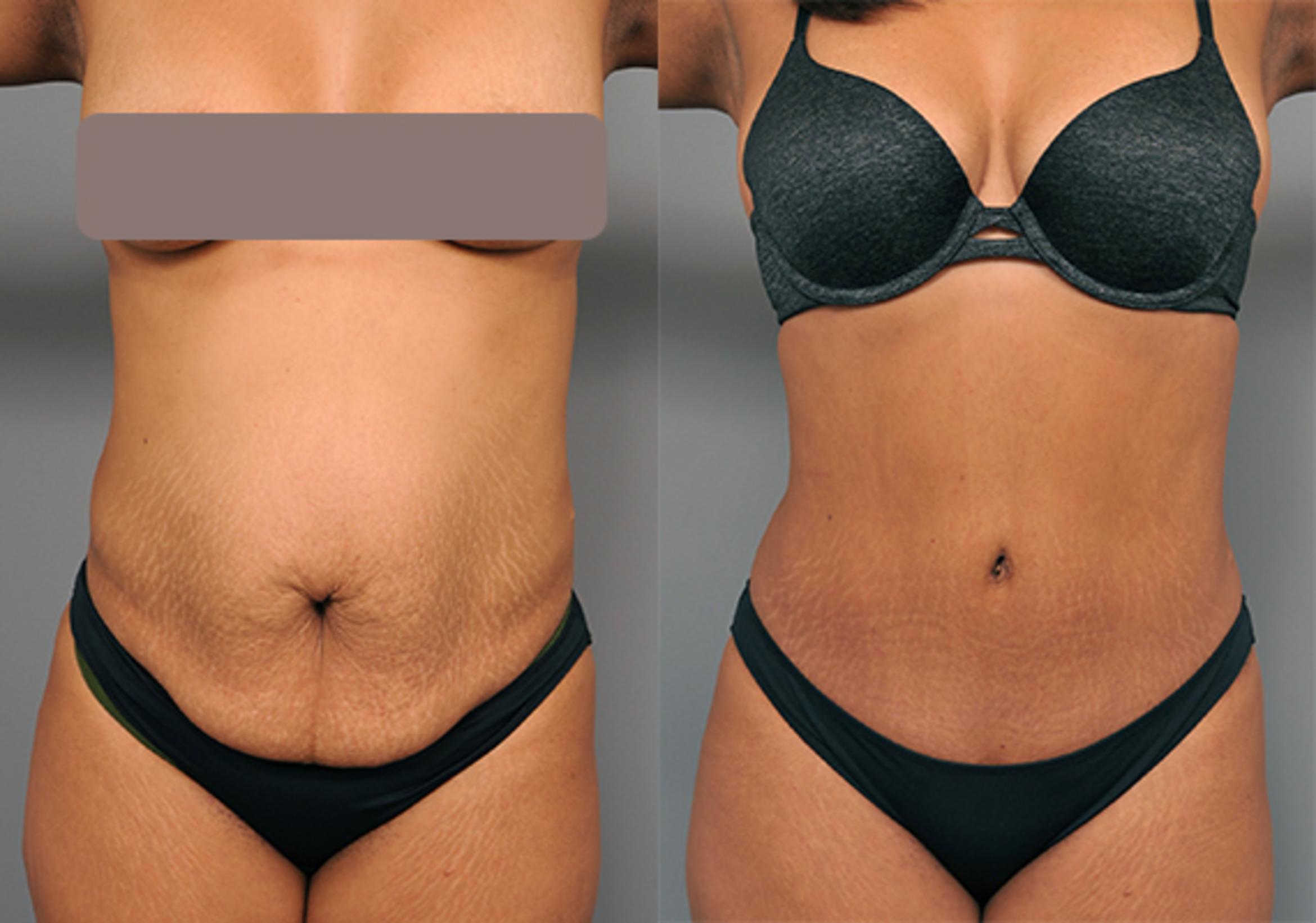
Safety Aspects in Riyadh:
- Qualified Surgeons: Riyadh has a growing number of board-certified plastic surgeons who have undergone extensive training and possess the necessary skills to perform abdominoplasty safely. Many have international training and affiliations. The Saudi Commission for Health Specialties (SCFHS) regulates medical professionals, ensuring certain standards of qualification.
- Accredited Facilities: Reputable hospitals and clinics in Riyadh offering plastic surgery are typically well-equipped with modern surgical theaters, advanced anesthesia monitoring systems, and experienced medical staff to handle procedures safely.
- Pre-operative Assessment: A crucial aspect of safety is a thorough pre-operative evaluation. A good surgeon will assess your overall health, medical history, medications, and lifestyle (e.g., smoking habits) to determine if you are a suitable candidate and minimize risks. Patients with certain underlying health conditions (e.g., uncontrolled diabetes, heart disease, significant obesity) may have higher risks and might not be considered ideal candidates.
- Post-operative Care: Reputable clinics provide comprehensive post-operative instructions and follow-up care, which are vital for safe recovery and managing potential complications.
Effectiveness in Body Contouring:
A tummy tuck is highly effective in:
- Removing Excess Skin: It dramatically reduces loose, sagging skin, particularly common after significant weight loss or multiple pregnancies. This addresses the "apron" of skin that cannot be tightened through exercise.
- Tightening Abdominal Muscles: This is a key benefit, especially for addressing diastasis recti (separated abdominal muscles) that often causes a persistent bulge in the abdomen. Tightening these muscles creates a flatter, firmer abdominal wall and can improve core strength and posture.
- Reducing Stubborn Fat: While not primarily a weight-loss procedure, it effectively removes localized fat deposits from the abdomen, especially when combined with liposuction (lipoabdominoplasty), contributing to a more streamlined silhouette.
- Creating a Defined Waistline: By removing excess skin and fat and tightening the muscles, a tummy tuck significantly enhances the waistline, giving a more contoured and aesthetically pleasing hourglass or V-tapered shape.
- Improving Body Proportions: The procedure helps create better balance between the upper and lower body, improving overall body proportions.
- Boosting Self-Confidence: The physical transformation often leads to a significant improvement in body image, self-esteem, and overall quality of life.
Potential Risks and How They are Managed:
While generally safe, a tummy tuck is major surgery and carries inherent risks, as with any surgical procedure. These include:
- Anesthesia Risks: Reactions to anesthesia can occur, though rare. Experienced anesthesiologists and pre-operative assessments help mitigate these.
- Bleeding and Hematoma: Accumulation of blood under the skin. Drains are often used, and the surgical team monitors for this.
- Infection: Risk of infection at the incision sites. Antibiotics are typically given before and after surgery.
- Seroma: Fluid accumulation under the skin. This is common and usually managed with drains or aspiration.
- Scarring: A permanent scar will be present, typically located low on the abdomen (often hidden by underwear/swimwear). Surgeons strive for the least noticeable scar possible, and scar care instructions are provided to help them fade over time.
- Numbness or Sensation Changes: Temporary or, less commonly, permanent changes in skin sensation in the abdominal area are possible.
- Poor Wound Healing: Some areas of the incision might heal slowly or poorly, especially in smokers or individuals with certain medical conditions.
- Asymmetry: Slight unevenness can occur, though skilled surgeons aim for symmetrical results.
- Blood Clots: Deep vein thrombosis (DVT) is a serious risk. Early ambulation after surgery and sometimes blood thinners are used to prevent this.
To ensure a safe and effective tummy tuck in Riyadh:
- Choose a Board-Certified Plastic Surgeon: This is the most critical step. Verify their credentials and experience, specifically in abdominoplasty.
- Select an Accredited Facility: Ensure the hospital or clinic maintains high standards of safety, hygiene, and medical care.
- Have a Detailed Consultation: Discuss your goals, medical history, and expectations openly with your surgeon. Understand the procedure, recovery, and potential risks.
- Follow Pre- and Post-operative Instructions Diligently: This includes quitting smoking well in advance, avoiding certain medications, and adhering to wound care and activity restrictions during recovery.
- Maintain a Stable Weight: Long-term results are best maintained with a stable weight post-surgery.
In conclusion, a tummy tuck in Riyadh can be a highly effective and safe procedure for achieving significant body contouring, provided you select a qualified surgeon and facility, and adhere to all medical advice.