

Deciding whether a tummy tuck in riyadh (abdominoplasty) is the right procedure for you in Riyadh involves a deep dive into your personal circumstances, health, and aesthetic goals. It's a significant surgical procedure, and an informed decision is paramount.
\
Here's a detailed guide to help you assess if a tummy tuck is suitable for your situation:
1. Understanding What a Tummy Tuck Addresses:
A tummy tuck is designed to:
- Remove Excess Skin: Particularly common after significant weight loss or multiple pregnancies, where skin has lost its elasticity and hangs loosely.
- Tighten Abdominal Muscles: Addresses diastasis recti (separation of the abdominal muscles) that can cause a bulging abdomen, even in individuals who are otherwise fit.
- Eliminate Stubborn Fat: While not a weight-loss procedure, it can remove localized pockets of fat that are resistant to diet and exercise, especially in the lower abdomen.
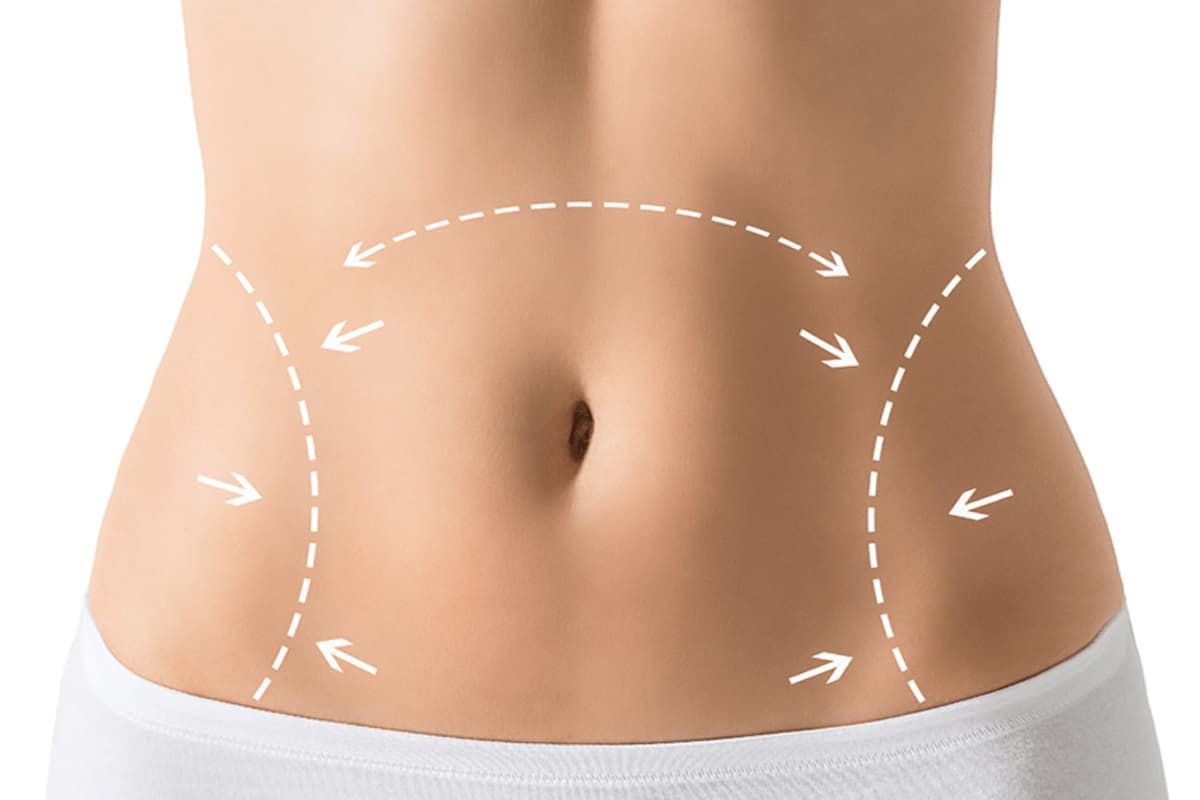
- Improve Abdominal Contour: Creates a flatter, firmer, and more toned abdominal profile.
2. Key Indicators That a Tummy Tuck Might Be Right for You:
Consider these points to see if you align with the ideal candidate profile:
- You Have Loose, Sagging Abdominal Skin: This is the primary reason people seek a tummy tuck. If your skin hangs or folds, especially when you bend over, a tummy tuck can significantly improve this.
- You Have Weakened or Separated Abdominal Muscles (Diastasis Recti): If your abdominal muscles have been stretched and separated (often after pregnancy or significant weight gain), resulting in a persistent "pooch" that doesn't respond to exercise, a tummy tuck can repair this.
- You Are at a Stable, Healthy Weight: This is crucial. A tummy tuck is not a weight-loss solution. Ideal candidates are at or near their goal weight and have maintained it for at least 6-12 months. Significant weight fluctuations after surgery can compromise your results.
- You Have Realistic Expectations: You understand that a tummy tuck will leave a permanent scar (though usually placed to be concealed by underwear/swimwear) and that recovery requires significant downtime and adherence to post-operative instructions. You're seeking improvement, not perfection.
- You Are in Good Overall Health: You should be free from any serious medical conditions that could increase surgical risks or impair healing (e.g., uncontrolled diabetes, heart conditions, autoimmune disorders).
- You Are a Non-Smoker: Smoking significantly increases the risk of complications (poor wound healing, infection, blood clots) and compromises results. You must be willing to stop smoking several weeks before and after surgery.
- You Have Tried Other Methods (Diet & Exercise): You've made a concerted effort through diet and exercise to improve your abdominal contour but are still left with excess skin and/or muscle laxity that these methods cannot correct.
- You Have Finished Childbearing (Ideally): While not a strict requirement, it's generally recommended to postpone a tummy tuck until you are certain you are done having children. Subsequent pregnancies can stretch the skin and muscles again, undoing the results of the surgery.
- You Have a Positive Outlook and Support System: You are mentally prepared for the surgery and recovery, and you have friends or family who can provide support during your healing period.
3. When a Tummy Tuck Might NOT Be Right for You (or requires careful consideration):
- You Are Considering Future Pregnancies: If you plan on having more children, it's usually best to delay the surgery.
- You Are Significantly Overweight or Obese: You will likely be advised to lose weight first. Liposuction alone might be a better option if excess fat is the primary concern, or you may need a combination approach.
- You Have Unrealistic Expectations: Believing the surgery will solve all body image issues or transform you into a completely different person can lead to disappointment.
- You Have Certain Medical Conditions: Conditions like heart disease, lung disease, blood clotting disorders, or a compromised immune system can make surgery too risky.
- You Are a Smoker and Unwilling to Quit: This is a major red flag for safe surgery and optimal healing.
- Your Primary Concern is Only Fat, with Good Skin Elasticity: Liposuction might be a more suitable and less invasive option if excess fat is your main concern and your skin has good elasticity.
- You Are Not Prepared for the Recovery: The recovery can be challenging, involving pain, swelling, drains, activity restrictions, and a need for assistance. If you cannot commit to the recovery process, it might not be the right time.
4. The Importance of Consultation in Riyadh:
The only way to definitively determine if a tummy tuck is right for you is through a personal consultation with a board-certified plastic surgeon in Riyadh. During this consultation, the surgeon will:
- Evaluate your physical condition, skin quality, and muscle laxity.
- Discuss your medical history in detail.
- Understand your aesthetic goals and what you hope to achieve.
- Explain the different types of tummy tucks (full, mini, extended) and which might be best for you.
- Discuss the potential risks and complications specific to your case.
- Provide a clear understanding of the expected recovery process and timeline.
- Show you before-and-after photos of their previous patients.
- Give you a transparent cost estimate.
In summary, a tummy tuck in Riyadh can be a life-changing procedure for the right candidate, offering significant improvements to abdominal contour and self-confidence. However, it requires careful consideration, realistic expectations, and most importantly, the guidance of a highly qualified and ethical plastic surgeon.