

Undergoing a tummy tuck in Riyadh, as with any major surgical procedure, involves several distinct phases: preparation, the surgery itself, and a crucial recovery period. This guide aims to provide Riyadh patients with a clear understanding of what to expect throughout this journey.
1. The Initial Consultation in Riyadh
Your tummy tuck journey will begin with a comprehensive consultation with a board-certified plastic surgeon in Riyadh. During this vital appointment, expect the following:
- Discussion of Goals and Expectations: Be ready to articulate your aesthetic concerns and what you hope to achieve. The surgeon will assess if your expectations are realistic.
- Medical History Review: Provide a thorough account of your medical history, including any pre-existing conditions, medications (prescription and over-the-counter), supplements, allergies, and previous surgeries. It's crucial to disclose if you smoke or consume alcohol.
- Physical Examination: The surgeon will examine your abdomen to assess the quality and amount of excess skin, fat deposits, and the degree of abdominal muscle separation (diastasis recti).
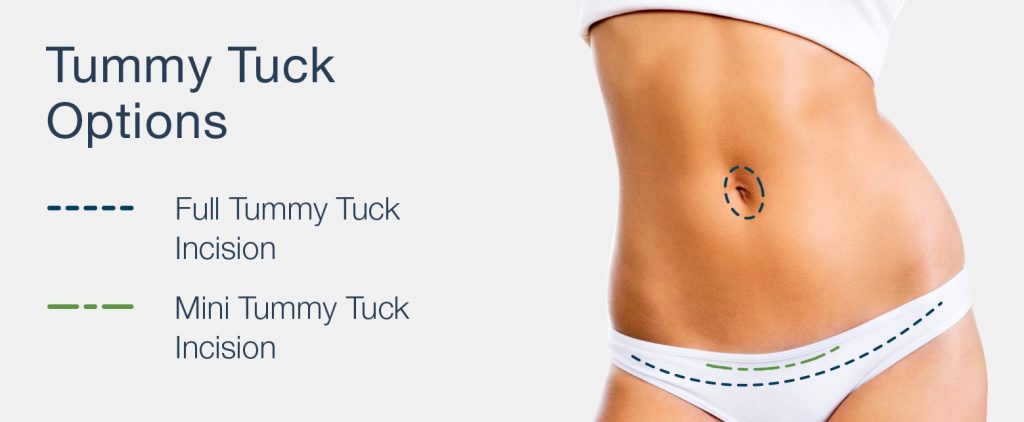
- Procedure Explanation: The surgeon will explain the different types of tummy tucks (full, mini, extended) and recommend the most suitable one for your case. They will detail the surgical technique, incision placement, and what to expect during and after the operation.
- Discussion of Risks and Complications: You will be informed about potential risks such as infection, bleeding, seroma (fluid accumulation), scarring, numbness, and adverse reactions to anesthesia.
- Before-and-After Photos: Many Riyadh clinics will show you anonymized before-and-after photos of previous patients to provide a visual understanding of potential results.
- Cost Estimate: You will receive a detailed breakdown of the costs, which will include surgeon's fees, anesthesia, hospital or facility charges, and follow-up care.
2. Pre-Operative Preparation
Once you and your surgeon decide to proceed, you'll receive specific instructions to prepare for surgery. Adhering to these instructions is paramount for a safe procedure and optimal recovery. Common pre-operative guidelines include:
- Medical Clearances and Lab Tests: Your surgeon will order necessary blood tests, and potentially an EKG or other evaluations, to ensure you are healthy enough for surgery. You might need clearance from your general physician.
- Medication Adjustments: You will likely be asked to stop taking certain medications and supplements that can increase bleeding, such as aspirin, NSAIDs (e.g., ibuprofen), and herbal supplements, typically two weeks before surgery.
- Smoking and Alcohol Cessation: If you smoke, you will be advised to quit at least several weeks (ideally 3 months) before surgery, as smoking significantly impairs healing and increases complication risks. Alcohol consumption should also be avoided for at least a week before surgery.
- Hydration and Nutrition: Maintain a healthy, balanced diet and ensure you are well-hydrated in the weeks leading up to surgery.
- Arranging for Support: Arrange for someone to drive you home after surgery and assist you with daily activities for the first few days of recovery.
- Fasting Instructions: You will receive strict instructions on when to stop eating and drinking before surgery (typically after midnight the night before).
- Preparing Your Home: Set up a comfortable recovery area with essential items within reach, including loose-fitting clothing, pillows for support, and any prescribed medications.
3. The Surgical Procedure
On the day of your tummy tuck in Riyadh, you can expect the following:
- Arrival and Admission: You will arrive at the hospital or surgical center at the designated time, complete necessary paperwork, and change into a surgical gown.
- Anesthesia: A qualified anesthesiologist will administer general anesthesia, ensuring you are completely unconscious and comfortable throughout the procedure.
- Incision(s): The surgeon will make the necessary incisions based on the type of tummy tuck.
- Full Tummy Tuck: A horizontal incision is typically made low on the abdomen, from hip to hip, just above the pubic hairline. A second incision is usually made around the belly button to free it.
- Mini Tummy Tuck: A shorter horizontal incision is made in the lower abdomen, below the belly button.
- Muscle Tightening: The underlying abdominal muscles (rectus abdominis) that have separated or weakened will be pulled together and stitched into a firmer position. This creates a flatter, stronger abdominal wall.
- Excess Skin and Fat Removal: The skin and fat will be lifted, and the excess will be carefully trimmed away.
- Belly Button Repositioning (for full tummy tuck): The belly button will be brought through a new, naturally positioned opening in the redraped skin.
- Closure: The remaining skin is pulled down smoothly, and the incisions are meticulously closed with sutures. Drains (small tubes) may be inserted temporarily to collect any excess fluid and reduce swelling.
- Dressings: The surgical area will be bandaged, and you will be fitted with a compression garment.
The entire procedure can take approximately 2 to 5 hours, depending on the complexity and extent of the surgery.
4. Post-Operative Recovery and Aftercare
Recovery is a crucial phase that requires patience and adherence to your surgeon's instructions.
- Immediately After Surgery: You will be taken to a recovery room where you will be closely monitored as you wake up from anesthesia. You can expect pain, swelling, and bruising, which will be managed with prescribed pain medication. You may stay in the hospital for one or more nights.
- First Few Days (Week 1-2):
- Compression Garment: You will need to wear a compression garment continuously to minimize swelling and support the healing tissues.
- Drains: If placed, drains will typically be removed within a few days to a week. You'll receive instructions on how to care for them.
- Movement: Light walking is encouraged to promote circulation and prevent blood clots, but avoid standing fully upright initially, as it may feel tight.
- Pain Management: Take all prescribed medications as directed.
- Wound Care: Keep incision sites clean and dry. Avoid baths and swimming until cleared by your surgeon.
- Weeks 3-4:
- Swelling and bruising will gradually subside.
- You can slowly increase your activity level, but avoid strenuous exercise, heavy lifting, and activities that strain your abdominal muscles.
- Many patients can return to light work or daily routines, depending on their job.
- Weeks 4-6 and Beyond:
- Most swelling will have significantly reduced.
- With your surgeon's clearance, you can gradually resume more vigorous exercise.
- Scars will begin to fade, but complete maturation can take up to a year or more. Protect scars from direct sun exposure.
- Follow-Up Appointments: Regular follow-up appointments with your surgeon in Riyadh are essential to monitor your healing progress, address any concerns, and ensure optimal results.
Remember, individual recovery times can vary. Listening to your body and strictly following your surgeon's guidance will lead to the best possible outcome from your tummy tuck in Riyadh.