

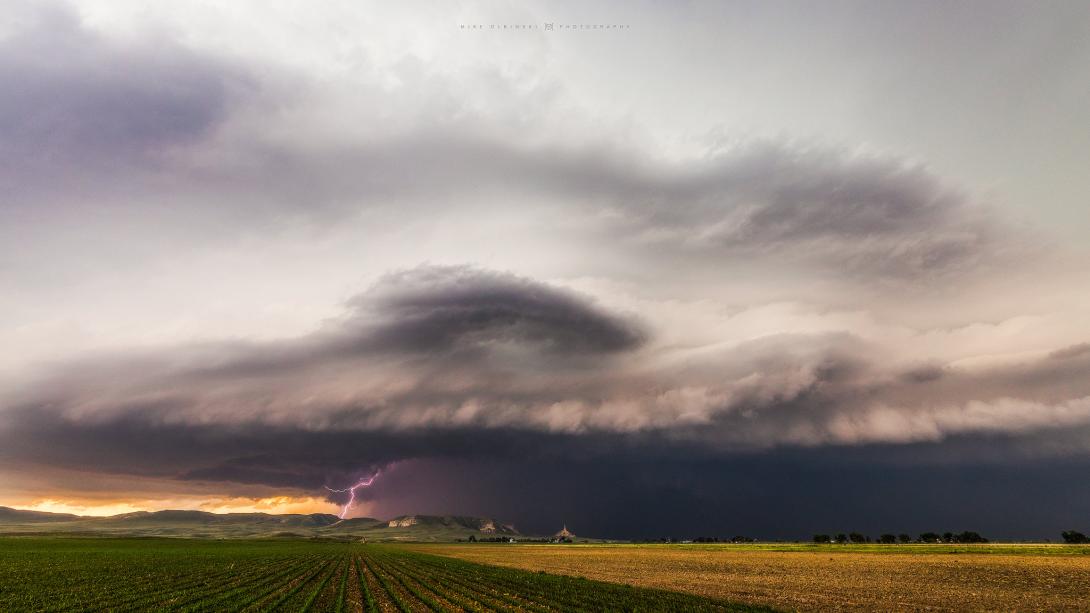
Weather timelapses reveal atmospheric changes that may be difficult to appreciate at normal speed. Moving clouds, developing thunderstorms, and changing sunlight can create compelling sequences when photographed and edited correctly.
However, Timelapse Photographers often encounter challenges involving exposure, camera stability, shooting intervals, and post-production. Understanding these common mistakes can help produce smoother, more consistent results.
Mike Olbinski's weather and storm timelapse photography offers inspiration for creators who want to capture the movement and atmosphere of changing skies.
Mistake 1: Using an Unstable Tripod
Even slight camera movement can create visible shifts between frames. These movements may become especially distracting when individual photographs are combined into a video.
Use a sturdy tripod and position it on stable ground. Secure the camera properly and avoid touching the equipment unnecessarily during capture.
Wind can also move the camera or tripod, so choose a suitable position and monitor conditions throughout the session.
Mistake 2: Ignoring Shooting Intervals
The interval between photographs influences the speed and smoothness of the final sequence.
If the interval is too long, fast-moving clouds may appear to jump between positions. If it is too short, the project may generate more images than necessary for the intended result.
Choose the interval according to the speed of the clouds and the desired video duration. Test the settings before beginning a lengthy session.
Mistake 3: Allowing Exposure to Change Unexpectedly
Automatic exposure can create brightness fluctuations as the camera responds to changing light. These fluctuations, commonly called flicker, may become noticeable during playback.
Manual exposure can improve consistency when lighting conditions remain relatively stable. However, sunrise, sunset, and changing storm conditions may require carefully managed adjustments.
Review test frames and monitor the sequence when it is safe to do so.
Mistake 4: Forgetting Focus and White Balance
Autofocus may shift between frames when clouds, trees, or other objects move through the scene. Manual focus can help maintain consistency when photographing distant subjects.
White balance should also be considered. A consistent setting can reduce unwanted color shifts between frames, particularly when the lighting changes gradually.
These decisions can reduce the amount of correction required during editing.
Mistake 5: Underestimating Storage and Battery Needs
Long weather timelapses may require hundreds or thousands of images. Insufficient storage or battery power can interrupt the sequence before the desired event has been captured.
Check available memory, battery capacity, and camera settings before starting. Carry additional batteries and memory cards when appropriate.
Weather protection is equally important, but photographers should never remain exposed to dangerous conditions to protect equipment or finish a sequence.
Mistake 6: Overediting the Final Video
Post-production can improve color, contrast, stabilization, and exposure consistency. However, excessive adjustments may create unnatural colors or remove important cloud details.
Review the sequence at its intended playback speed and check for distracting movement, flicker, or abrupt transitions.
The work of Mike Olbinski illustrates how thoughtful capture and editing can communicate the movement of weather without relying on unnecessary visual effects.
Conclusion
Timelapse Photographers can improve their results by stabilizing the camera, choosing appropriate intervals, managing exposure, maintaining consistent focus, and preparing sufficient storage.
Avoiding these common mistakes creates a stronger foundation for producing engaging weather timelapses that showcase the natural movement of clouds and storms.