

Getting a hair transplant in riyadh is a significant decision, and Riyadh offers a range of clinics with modern techniques. Before you commit to a procedure, here's a comprehensive guide to what you should know:
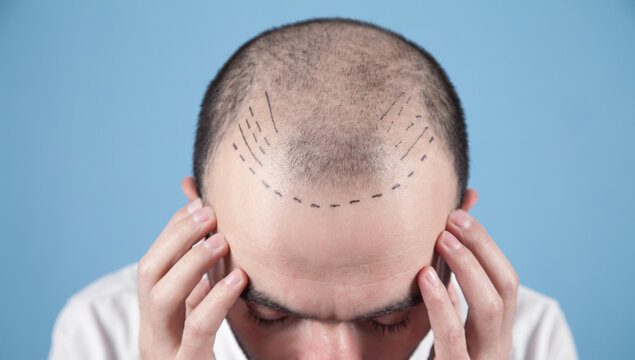
1. Are You a Suitable Candidate?
- Stable Hair Loss: The ideal candidate has stable hair loss. If your hair loss is still progressing rapidly, a transplant might not yield the best long-term results as new areas could thin out. Generally, individuals over 25-30 years old whose hair loss patterns have stabilized are considered better candidates.
- Sufficient Donor Hair: The success of a hair transplant relies on having enough healthy hair follicles in your "donor area" (usually the back and sides of your head) to transplant to the balding or thinning areas. Your surgeon will assess the quality and quantity of your donor hair.
- Overall Health: Good general health is crucial for any surgical procedure. Inform your doctor about any underlying health conditions or medications you are taking, as some might affect the procedure or recovery.
- Realistic Expectations: Understand that a hair transplant redistributes your existing hair; it doesn't create new hair where there was none. While it can significantly improve density and hairline, it may not perfectly restore your hair to its youthful state. Discuss realistic outcomes with your surgeon.
2. Types of Procedures and Techniques
Riyadh clinics offer various advanced techniques:
- Follicular Unit Extraction (FUE):
- How it works: Individual follicular units (groups of 1-4 hairs) are extracted directly from the donor area using a micro-punch tool.
- Pros: Minimal scarring (tiny dots), faster healing in the donor area, less discomfort post-procedure. Ideal for those who wear their hair short.
- Cons: Can be more time-consuming for large areas, may be slightly more expensive per graft.
- Follicular Unit Transplantation (FUT / Strip Method):
- How it works: A strip of scalp skin containing hair follicles is surgically removed from the donor area, and the follicles are then separated and transplanted.
- Pros: Can transplant a large number of grafts in a single session, generally more cost-effective per graft than FUE.
- Cons: Leaves a linear scar in the donor area, longer recovery time in the donor area.
- Direct Hair Implantation (DHI):
- How it works: Similar to FUE, but follicles are directly implanted into the recipient area using a specialized DHI implanter pen, without pre-made incisions.
- Pros: Offers precise control over angle, depth, and direction of implantation, potentially higher graft survival rates, generally quicker healing for the recipient area.
- Robotic Hair Transplantation (RHT):
- How it works: Utilizes robotic technology to assist in the extraction of follicular units (primarily FUE), enhancing precision and speed.
- Pros: Highly precise, can reduce human error, consistent graft quality.
- Cons: Can be more expensive, not all clinics offer it.
- PRP Therapy (Platelet-Rich Plasma): Often used as an adjunctive therapy before, during, or after a hair transplant to enhance healing and stimulate hair growth. It involves injecting a concentration of your own platelets into the scalp.
3. Cost of Hair Transplant in Riyadh
The cost can vary significantly based on:
- Number of Grafts: This is the primary factor. More grafts mean a higher cost.
- Estimates can range from 7,999 SAR to 29,999 SAR or more depending on the number of grafts (e.g., 1000-1500 grafts might start around 7,999 SAR, while 3000+ grafts could be 9,999 SAR or higher). Some sources indicate an average cost around $1,000 to $5,000 (USD), with a broader range up to $10,000+.
- Technique Used: FUE and DHI are generally more expensive than FUT.
- Surgeon's Experience and Reputation: Highly experienced and renowned surgeons will typically charge more.
- Clinic's Location and Facilities: Premium clinics with state-of-the-art equipment might have higher prices.
- Included Services: Some packages might include blood tests, PRP sessions, or post-operative care, so ensure transparency in pricing.
Important: Get a detailed quote that outlines all costs and what is included.
4. Success Rates and Results
- High Success Rate: Modern hair transplant techniques have a high success rate, with graft survival rates typically between 85% and 95%.
- Natural-Looking Results: With skilled surgeons, results are generally very natural, with the transplanted hair blending seamlessly with existing hair.
- When to See Results:
- Initial shedding of transplanted hairs is normal and expected within a few weeks.
- New hair growth usually begins around 3-4 months after the procedure.
- Noticeable improvement in density and coverage can be seen around 6-9 months.
- The final results typically become apparent within 12-18 months.
5. Recovery and Aftercare
- Immediate Post-Op (First Few Days):
- You'll likely experience some swelling (especially in the forehead and around the eyes), redness, and tiny scabs in the recipient area.
- Keep your head elevated while sleeping.
- Avoid touching or rubbing the treated areas.
- You'll be given specific instructions for gentle washing of the scalp.
- First 1-2 Weeks: Most of the swelling and redness should subside. Scabs will start to fall off. Continue to follow gentle washing instructions. Avoid strenuous activities, heavy sweating, direct sun exposure, and wearing tight headwear.
- Beyond 2 Weeks: You can typically resume most normal activities. The "shock shedding" phase begins where transplanted hairs temporarily fall out. This is a normal part of the process.
- Medications: You'll likely be prescribed antibiotics to prevent infection and pain relievers for discomfort.
- Long-Term Care: Follow your surgeon's advice on any post-transplant treatments (like PRP or topical medications) and continued hair care.
6. Choosing the Right Clinic and Surgeon
- Specialization and Experience: Look for surgeons who specialize solely in hair transplantation and have a proven track record.
- Certifications and Accreditations: Ensure the clinic is certified by relevant health authorities and maintains high standards of hygiene and safety.
- Before & After Photos: Review a wide range of photos of previous patients to assess the surgeon's aesthetic skill and the naturalness of their results.
- Patient Reviews: Look for reviews and testimonials from other patients to gauge their experiences with the clinic and surgeon.
- Thorough Consultation: A good clinic will offer a comprehensive consultation to assess your hair loss, discuss your goals, explain the procedure in detail, and provide a personalized treatment plan.
- Technology and Equipment: Inquire about the technologies and techniques used to ensure they are modern and effective.
By considering these factors carefully, you can make an informed decision and significantly increase your chances of a successful and satisfying hair transplant experience in Riyadh.