
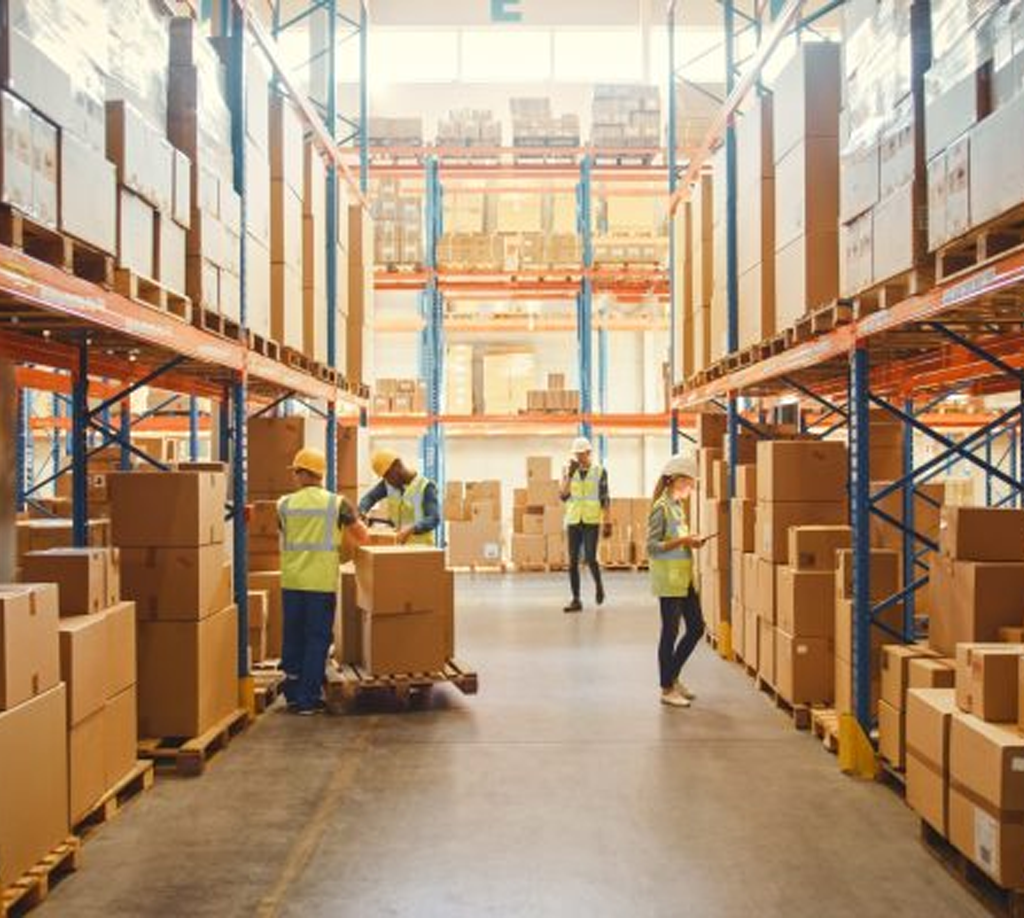
In the hyper-competitive landscape of modern e-commerce, the “Amazon Effect” has fundamentally reshaped consumer expectations. Today, customers do not simply want their products; they demand them almost immediately, with real-time tracking, seamless returns, and impeccable packaging. For many businesses—ranging from burgeoning startups to established mid-market retailers—managing the complexities of logistics in-house is not only capital-intensive but often becomes a bottleneck to growth. This is where the Third-Party Logistics (3PL) provider becomes a transformative partner. By outsourcing warehousing and distribution to experts, businesses can unlock significant gains in delivery speed and overall customer satisfaction, creating a robust framework for long-term scalability.
Geographical Proximity: The Engine of Speed
The most direct way a 3PL enhances delivery speed is through the strategic decentralization of inventory. When a business relies on a single, centralized warehouse, the distance between the product and the customer often results in high shipping costs and prolonged transit times—particularly for those located across the country. A 3PL provider typically operates a network of fulfillment centers strategically positioned near major transportation hubs and high-density population centers.
By distributing inventory across multiple 3PL facilities, businesses can ensure that the majority of their stock is located in close geographic proximity to the end consumer. This transition from ground shipping to “zone skipping” significantly reduces transit times. A product that might have taken five days to reach a customer via standard shipping can often arrive in one or two days when dispatched from a local fulfillment node. In an era where two-day shipping is considered the baseline and same-day delivery is the gold standard, this geographical optimization is perhaps the most powerful tool for meeting aggressive delivery timelines.
Technological Integration and Operational Precision
Speed is not merely about physical distance; it is about the velocity of the order-to-shipment cycle. This involves the orchestration of complex warehouse management systems (WMS). High-end 3PL providers invest heavily in proprietary technology that integrates seamlessly with a brand’s e-commerce platform (such as Shopify, Magento, or Amazon). When a customer clicks “buy,” the order is instantly transmitted, processed, and routed to the warehouse nearest to the customer without human intervention.
This automation eliminates the “latency gap”—the time between order placement and the physical picking of the item. Advanced 3PLs utilize barcode scanning, automated conveyor belts, and sophisticated inventory management algorithms to ensure that the picking and packing process is optimized for speed and accuracy. By removing manual data entry and redundant processes, 3PLs ensure that orders are ready for carrier collection within hours, not days. Furthermore, the integration allows for real-time inventory visibility, preventing the “overselling” nightmare that occurs when a website displays an item as in stock when it is actually depleted. Nothing erodes customer trust faster than a cancellation notice; 3PL technology acts as a safeguard against this, ensuring that what the customer sees is exactly what is available.
The Role of Accuracy in Customer Satisfaction
Customer satisfaction is rarely determined solely by speed; it is inextricably linked to accuracy. A package that arrives in one day is a disappointment if it contains the wrong item, is damaged, or is missing a component. 3PL providers survive on their ability to maintain near-perfect inventory accuracy. Through a combination of rigorous cycle counting, standardized packing protocols, and quality control checkpoints, 3PLs ensure that the “unboxing experience”—the first physical touchpoint between the brand and the customer—is flawless.
When a customer receives exactly what they ordered, properly packaged to prevent damage, the perceived value of the brand increases. Conversely, the inconvenience of returning a mis-shipped item is a primary driver of customer churn. By achieving high fulfillment accuracy rates, 3PLs effectively reduce the volume of customer service inquiries, returns, and complaints. This allows the business owner to focus on product development and marketing, while the 3PL silently cultivates a reputation for reliability.
Scalability and Seasonal Agility
Retail is inherently cyclical. From holiday surges to flash sales and seasonal product launches, the pressure on a warehouse to scale capacity overnight is immense. Attempting to manage these fluctuations with an in-house team is often disastrous; staffing up for the holidays leads to inefficiencies during the off-season, while under-staffing leads to shipping delays and poor service during peak periods.
3PLs offer the elasticity that modern retail requires. Because they serve a diverse portfolio of clients, they have the labor force, physical space, and carrier relationships to handle volume spikes seamlessly. During the Black Friday/Cyber Monday rush, a 3PL provider can pivot to extra shifts or additional floor space without the business owner having to worry about hiring, training, or leasing more real estate. This agility ensures that, even during the busiest times of the year, delivery speed remains consistent. Customers develop a high degree of confidence in brands that prove they can “deliver the goods” when everyone else is experiencing backlog delays.
Fostering Brand Loyalty Through Logistics
The cumulative effect of speed, accuracy, and operational reliability is the cultivation of customer loyalty. In the modern market, the delivery process is no longer just a functional back-end task; it is a vital part of the customer experience. A positive delivery experience—marked by timely updates, tracked shipments, and well-packaged arrivals—encourages repeat business and positive reviews.
Furthermore, 3PLs often offer value-added services that enhance this experience, such as customized kitting, branded packaging, and personalized collateral. By handling the logistical “heavy lifting,” 3PLs allow companies to focus on the human side of their business—building relationships with customers and refining their brand identity. The 3PL becomes a silent partner in the brand’s success, ensuring that the promise made during the marketing phase is fulfilled at the doorstep.
Conclusion
In summary, the role of a 3PL Warehouse Miami extends far beyond simple storage and shipping. It is a strategic asset that provides the architectural framework for rapid growth and superior customer service. By leveraging the technological sophistication, geographical reach, and operational flexibility of a professional 3PL, businesses can bridge the gap between their brand and the consumer with unprecedented efficiency. In a market where customer loyalty is increasingly fragile and dependent on the speed and quality of fulfillment, outsourcing to a 3PL is not merely a cost-saving measure—it is a competitive necessity. As the digital marketplace continues to evolve, those who invest in superior logistics infrastructure will be the ones who define the future of customer satisfaction, one fast, accurate delivery at a time.