

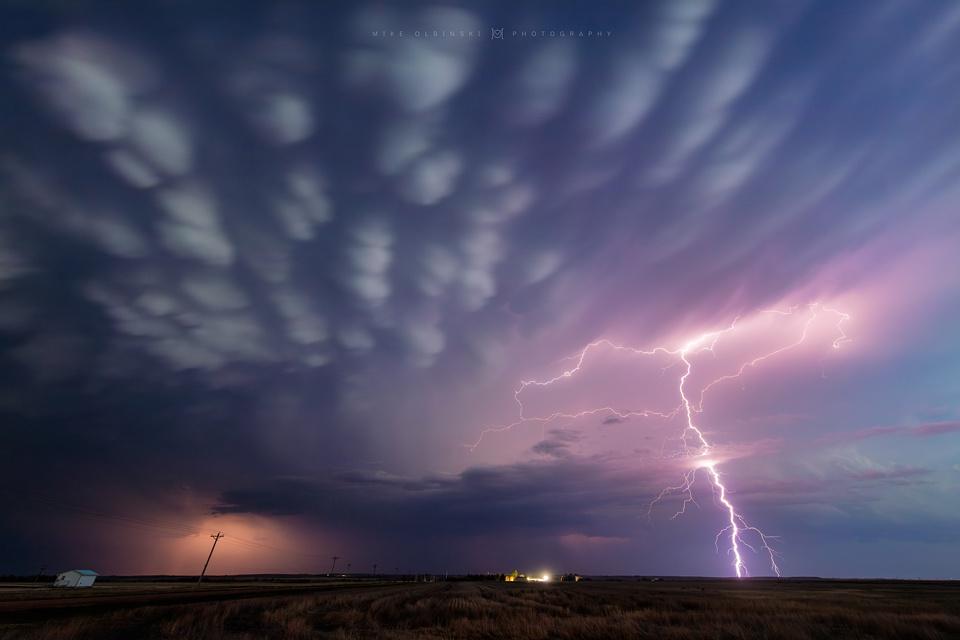
Storm photography combines technical skill, patience, weather knowledge, and a willingness to work in challenging conditions. For photographers who want to take their storm images to the next level, a Storm Chasing Masterclass for Photographers can provide valuable insight into everything from planning a chase to capturing dramatic moments in the field.
Understanding the Storm Chase
Successful storm chasing begins well before a camera is taken out of the bag. Photographers need to understand weather patterns, forecasts, road conditions, and the type of storm they hope to photograph. A good plan helps photographers identify potential locations while allowing enough flexibility to adapt as weather conditions change.
A Storm Chasing Masterclass for Photographers can help participants understand how professional storm photographers approach these decisions. Learning how to interpret weather information and anticipate storm movement can make a significant difference when searching for the right photographic opportunity.
Choosing the Right Photography Equipment
Storm photography often requires equipment that can handle changing outdoor conditions. A camera capable of shooting quickly, a selection of lenses, extra batteries, memory cards, and a sturdy tripod can all be useful.
A wide-angle lens is particularly helpful for capturing large storm structures and dramatic skies. Telephoto lenses can also provide opportunities to photograph distant details while maintaining a safe distance from severe weather.
However, equipment is only part of the process. Knowing when and how to use it is equally important.
Capturing the Perfect Moment
Storms can change rapidly. Lighting, cloud formations, rain shafts, lightning, and dramatic contrasts may appear for only a few moments. Photographers therefore need to remain patient and ready to react.
Composition is another important consideration. Instead of simply photographing the storm itself, including elements such as landscapes, buildings, roads, or fields can provide scale and context. This can turn a weather photograph into a more compelling visual story.
Safety Comes First
Storm chasing should always prioritize safety. Photographers should never position themselves unnecessarily close to dangerous weather simply to capture an image. Understanding escape routes, monitoring changing conditions, and maintaining awareness of surroundings are essential.
The work of Mike Olbinski demonstrates how powerful storm imagery can be created through careful planning, patience, and an understanding of weather. His approach highlights the balance between pursuing dramatic photography and respecting the unpredictability of nature.
Developing Your Storm Photography Skills
A masterclass can provide photographers with practical knowledge that is difficult to gain from watching tutorials alone. Learning about forecasting, composition, camera settings, timing, and field preparation can help photographers become more confident when photographing storms.
For anyone passionate about dramatic weather and landscape photography, a Storm Chasing Masterclass for Photographers can be an opportunity to develop both technical skills and a deeper appreciation for the atmosphere and movement of severe weather.