

Achieving a safe and effective tummy tuck in Riyadh requires careful consideration of several key factors. This procedure is a significant surgical undertaking, and prioritizing safety and quality is paramount for both successful outcomes and minimizing risks.
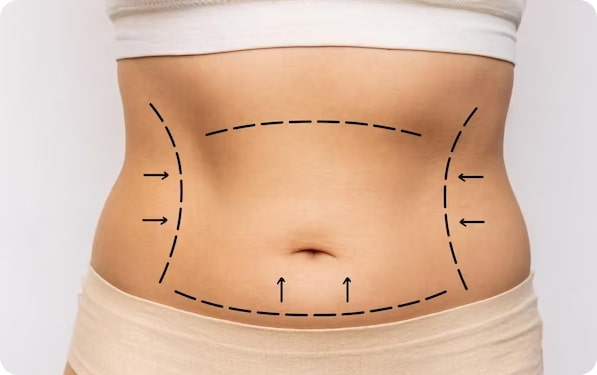
Here's what constitutes a safe and effective tummy tuck in Riyadh:
1. The Surgeon: The Most Critical Factor
- Board Certification and Specialization: The surgeon must be board-certified in Plastic and Reconstructive Surgery by the Saudi Commission for Health Specialties (SCFHS) or an equivalent international board (e.g., American Board of Plastic Surgery, Royal College of Physicians and Surgeons of Canada). This ensures they have undergone rigorous training and adhere to high professional standards.
- Leading Surgeons: Look for highly reputable plastic surgeons in Riyadh known for body contouring. Examples include:
- Dr. Omar Fouda Neel: His clinic in Riyadh emphasizes a "safe, and discreet experience," "international standards," and "U.S.-based training." He is a Fellow of the Royal College of Physicians and Surgeons of Canada and the American College of Surgeons.
- Dr. Abdulaziz Alabdulkarim at Dr. Soliman Fakeeh Hospital Riyadh (Consultant in Plastic and Reconstructive Surgery).
- Dr. Amir Mrad: Professor of Plastic Surgery, Canadian Board certified, with extensive experience (15+ years) and a focus on natural-looking results.
- Surgeons at reputable clinics like Aesthetic Clinic Riyadh and Enfield Royal Clinic Riyadh are often described as highly experienced and qualified.
- Leading Surgeons: Look for highly reputable plastic surgeons in Riyadh known for body contouring. Examples include:
- Extensive Experience with Tummy Tucks: Beyond general plastic surgery, inquire about the surgeon's specific experience with abdominoplasty. An experienced surgeon understands the nuances of different body types, can anticipate challenges, and is skilled in minimizing complications and achieving aesthetically pleasing results.
- Aesthetic Eye and Patient-Centric Approach: An effective tummy tuck isn't just about removing skin; it's about sculpting a natural, harmonious contour. The surgeon should have a strong aesthetic sense and work closely with you to understand your goals, setting realistic expectations.
- Ethical Practice: A responsible surgeon will thoroughly discuss all risks, benefits, and alternatives. They will not over-promise results and will prioritize your safety and well-being.
2. The Clinic/Hospital: A Foundation for Safety
- Accreditation: Opt for clinics or hospitals that are accredited by recognized bodies such as the Saudi Central Board for Accreditation of Healthcare Institutions (CBAHI) or Joint Commission International (JCI). These accreditations signify adherence to strict patient safety protocols, quality control, and international healthcare standards.
- Examples: NMC Specialty Hospital Al Salam and Riyadh Care Hospital are noted for holding both CBAHI and JCI accreditations, making them strong choices for surgical procedures.
- Operating Room Standards: The surgical facility should meet hospital-grade standards for hygiene, sterilization, and equipment. This includes a fully equipped surgical suite with appropriate monitoring technology.
- Anesthesia Department: The presence of board-certified anesthesiologists is crucial for safe general anesthesia administration and monitoring throughout the procedure.
- Post-Operative Care Facilities: The clinic or hospital should have dedicated recovery areas with trained nursing staff to monitor you closely immediately after surgery. For more extensive tummy tucks, an overnight stay in a well-equipped hospital is ideal.
- Emergency Protocols: The facility should have clear protocols and resources in place to manage any potential complications or medical emergencies that might arise.
3. Comprehensive Pre-Operative Assessment and Planning:
- Thorough Medical Evaluation: A safe tummy tuck begins with a comprehensive medical assessment. This includes a detailed review of your medical history, current medications, allergies, and lifestyle habits (e.g., smoking status).
- Diagnostic Tests: Necessary lab tests, a physical examination, and potentially other diagnostic tests (e.g., ECG, chest X-ray) will be performed to ensure you are a suitable candidate for surgery and to identify any underlying health issues.
- Patient Education and Informed Consent: The surgeon will explain the procedure in detail, including the incision types, muscle repair, expected outcomes, and potential risks. You should receive clear instructions on pre-operative preparations (e.g., stopping smoking, avoiding certain medications) and a clear, understandable informed consent form.
4. Advanced Techniques and Equipment (Contributing to Effectiveness):
While foundational safety is paramount, advanced techniques can contribute to more effective results and potentially safer procedures.
- Lipo Abdominoplasty: Many surgeons now combine liposuction with tummy tucks to achieve more comprehensive body contouring, effectively removing both fat and skin for a smoother result.
- Advanced Suture Techniques: Surgeons use refined suturing techniques for muscle tightening and incision closure to optimize results and minimize visible scarring.
- Pain Management Protocols: Effective pain management strategies, both during and after surgery, contribute to a more comfortable recovery and can indirectly reduce stress on the body, aiding healing.
5. Robust Post-Operative Care:
- Clear Instructions: You will receive detailed instructions for incision care, drain management (if applicable), compression garment use, activity restrictions, and signs of potential complications.
- Regular Follow-ups: Scheduled follow-up appointments with your surgeon are essential to monitor your healing, remove sutures/drains, and address any concerns.
- Compression Garment: Consistent use of a compression garment as instructed is critical for reducing swelling, supporting healing tissues, and optimizing the final contour.
Clinics and Hospitals Recommended for Safe and Effective Tummy Tucks in Riyadh:
Based on their reputation, accreditations, and the caliber of their surgeons, the following are strong contenders:
- Dr. Omar Fouda Neel's Clinic: Emphasizes international standards, U.S.-based training, and a focus on safety and discretion.
- Dr. Soliman Fakeeh Hospital Riyadh: A large, reputable hospital with a dedicated Plastic & Reconstructive Surgery department and board-certified surgeons. Their comprehensive hospital setting provides a high level of medical support.
- NMC Specialty Hospital Al Salam / Riyadh Care Hospital: Both are JCI and CBAHI accredited, indicating adherence to international safety and quality standards, making them reliable choices for surgical procedures.
- Aesthetic Clinic Riyadh: Known for experienced plastic surgeons and a focus on quality outcomes.
- Enfield Royal Clinic Riyadh / Royal Cosmetic Surgery Clinic: These are well-established aesthetic clinics that perform a high volume of cosmetic surgeries and often emphasize experienced staff and patient satisfaction.
When making your choice, always schedule a personal consultation to evaluate the surgeon, the clinic, and their approach to ensure it aligns with your expectations for a safe and effective tummy tuck.