

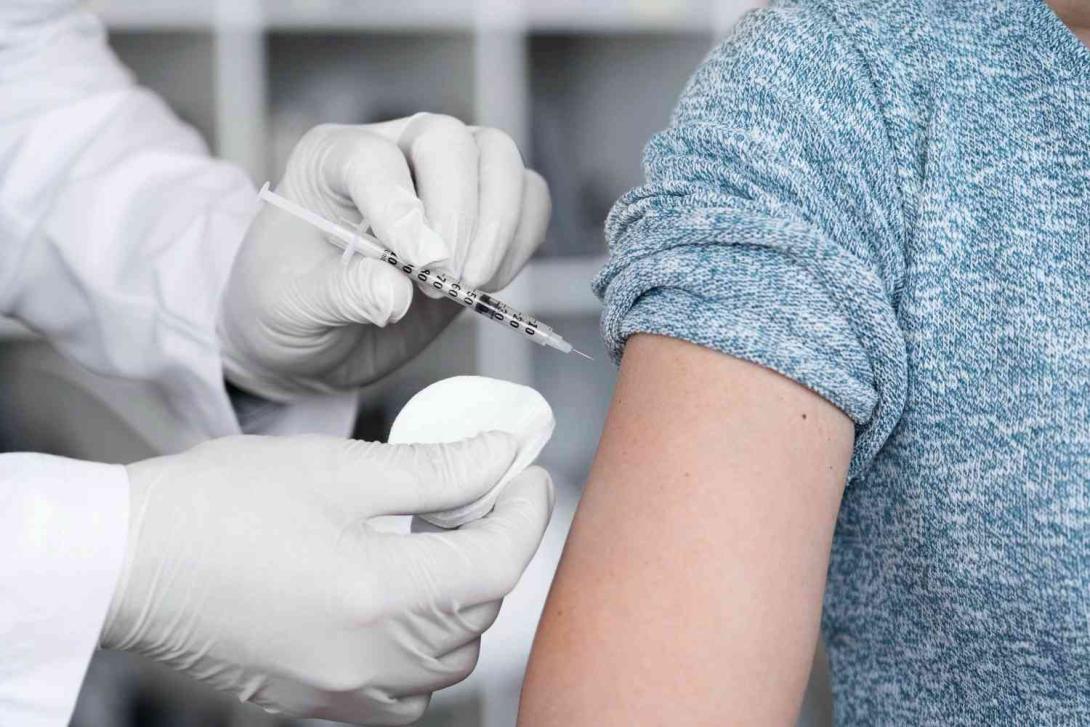
Respiratory illnesses can become more than a seasonal inconvenience, particularly for older adults and people with certain medical conditions. Respiratory syncytial virus (RSV) is a common virus that can cause symptoms resembling a cold but may lead to serious complications, including pneumonia and hospitalization. Understanding RSV vaccine adults recommendations can help you discuss your risk factors and vaccination options with a healthcare professional.
What Is RSV and Why Should Adults Be Concerned?
RSV is a contagious respiratory virus that affects the nose, throat, and lungs. Although many infections cause mild symptoms, the virus can be dangerous for certain adults, especially those with weakened immune systems or underlying health conditions.
Common symptoms include a runny nose, cough, congestion, fever, fatigue, and reduced appetite. Some people may also experience wheezing or shortness of breath.
For older adults, RSV can worsen existing heart or lung conditions and increase the risk of serious respiratory complications. Learning about RSV vaccine adults recommendations is particularly important for people who may be more vulnerable to severe illness.
Who Should Consider the RSV Vaccine?
RSV vaccination recommendations depend on age, health status, and current public health guidance. In the United States, adults aged 75 and older are recommended to receive an RSV vaccine if they have not previously received one. Adults aged 50–74 who are at increased risk of severe RSV illness are also recommended to receive vaccination.
Risk factors may include certain chronic lung diseases, cardiovascular conditions, weakened immune systems, severe obesity, and residence in a nursing home or long-term care facility. The exact factors that qualify someone for vaccination should be discussed with a healthcare professional.
When reviewing RSV vaccine adults eligibility, remember that vaccination is not currently recommended as an annual dose for most adults. People who have already received an RSV vaccine generally do not need another dose at this time under current U.S. recommendations.
When Is the Best Time to Get Vaccinated?
RSV activity often increases during fall and winter in much of the United States, although timing can vary by location and season. For eligible adults who have not yet been vaccinated, late summer or early fall may be a practical time to discuss protection before RSV activity increases.
However, vaccination timing should account for local virus patterns, personal health circumstances, and vaccine availability. People who become eligible later in the season may still benefit from discussing vaccination with a healthcare professional.
When considering RSV vaccine adults timing, avoid assuming that every respiratory vaccine follows the same schedule. RSV, influenza, and COVID-19 vaccinations have different recommendations, and your healthcare professional can help determine which vaccines are appropriate.
How Does the RSV Vaccine Help Protect Adults?
RSV vaccines stimulate the immune system to recognize and respond to the virus. Their primary purpose is to reduce the risk of severe RSV disease and its complications rather than guarantee that infection will never occur.
Vaccination can be particularly valuable for eligible adults who have a higher likelihood of developing serious respiratory illness. Protection may help reduce the chance of severe disease, although effectiveness can vary by age, health status, vaccine type, and time since vaccination.
Understanding RSV vaccine adults benefits can help patients make informed decisions without expecting complete protection. Even after vaccination, it remains important to take sensible precautions during respiratory virus season and seek medical advice when concerning symptoms develop.
What Side Effects Can Occur After Vaccination?
Like other vaccines, RSV vaccines can cause temporary side effects. Common reactions include pain, redness, or swelling at the injection site, fatigue, headache, muscle aches, and joint discomfort.
These symptoms are generally mild or moderate and usually improve within a few days. Individual experiences vary, and not everyone develops noticeable side effects.
When discussing RSV vaccine adults safety, tell your healthcare professional about previous severe allergic reactions to vaccines or their ingredients. Ask which symptoms are expected and when you should seek medical attention.
Rare but serious adverse events have been reported after RSV vaccination, including Guillain-Barré syndrome in safety monitoring and studies. The potential risks should be considered alongside the benefits of preventing severe RSV disease, particularly for adults at higher risk of complications.
Can the RSV Vaccine Be Given With Other Vaccines?
Some adults may be eligible for RSV, influenza, and COVID-19 vaccinations during the same season. In certain circumstances, these vaccines can be administered during the same visit, but the decision depends on individual health considerations and current guidance.
Receiving multiple vaccines together may be convenient, although it can affect the likelihood of experiencing temporary side effects. Your healthcare professional can discuss whether simultaneous vaccination is appropriate for you.
If you are researching RSV vaccine adults alongside other respiratory vaccines, ask about the recommended schedule for each vaccine rather than assuming they should all be given on the same date.
How Can Adults Reduce Their Risk of RSV Infection?
Vaccination is one preventive measure for eligible adults, but everyday precautions can also help reduce the spread of respiratory viruses.
- Wash your hands regularly with soap and water.
- Avoid touching your eyes, nose, and mouth with unwashed hands.
- Cover coughs and sneezes and dispose of tissues properly.
- Improve indoor ventilation when possible.
- Avoid close contact with people who are sick.
- Clean frequently touched surfaces.
People with chronic heart or lung conditions should follow their healthcare professional’s advice about managing their conditions during respiratory virus season.
Understanding RSV vaccine adults recommendations alongside these practical measures provides a more complete approach to respiratory health.
When Should You Seek Medical Attention?
Most mild RSV infections improve with supportive care, but severe symptoms require prompt assessment. Contact a healthcare professional if you experience worsening cough, persistent fever, dehydration, or symptoms that interfere with normal activities, particularly if you have an underlying medical condition.
Seek emergency care for severe breathing difficulty, persistent chest pain or pressure, sudden confusion, or bluish lips or skin. These symptoms may indicate a serious medical problem and should not be ignored.
Adults at increased risk should seek advice early if respiratory symptoms develop. Timely evaluation can help determine whether further testing, monitoring, or treatment is needed.
Conclusion
RSV can cause serious illness in older adults and people with certain underlying health conditions. Understanding RSV vaccine adults eligibility, timing, potential benefits, and side effects can help you make informed decisions about prevention. Under current U.S. recommendations, vaccination is advised for adults aged 75 and older and adults aged 50–74 at increased risk who have not previously received an RSV vaccine. Discuss your medical history and vaccination options with a qualified healthcare professional to determine the approach that best suits your needs.
Frequently Asked Questions
1. Do adults need an RSV vaccine every year?
No. Under current U.S. recommendations, RSV vaccination is not an annual vaccine for most adults. People who have already received an RSV vaccine generally do not need another dose at this time.
2. Can healthy adults younger than 50 receive an RSV vaccine?
Routine adult recommendations do not generally include healthy adults younger than 50. Eligibility may depend on specific circumstances and current guidance, so discuss individual concerns with a healthcare professional.
3. Does the RSV vaccine prevent every infection?
No. Vaccination reduces the risk of severe RSV disease but does not guarantee complete protection against infection. Preventive habits remain useful.
4. Is the RSV vaccine the same as the flu vaccine?
No. RSV and influenza are caused by different viruses, and the vaccines are different. Eligible adults may need to consider both vaccines according to their individual risk factors and current recommendations.