

Undergoing nose surgery (rhinoplasty surgery in Riyadh is a significant decision, and understanding the recovery timeline is crucial for managing expectations and ensuring a smooth healing process. While individual recovery varies, here's a general timeline and what to expect:
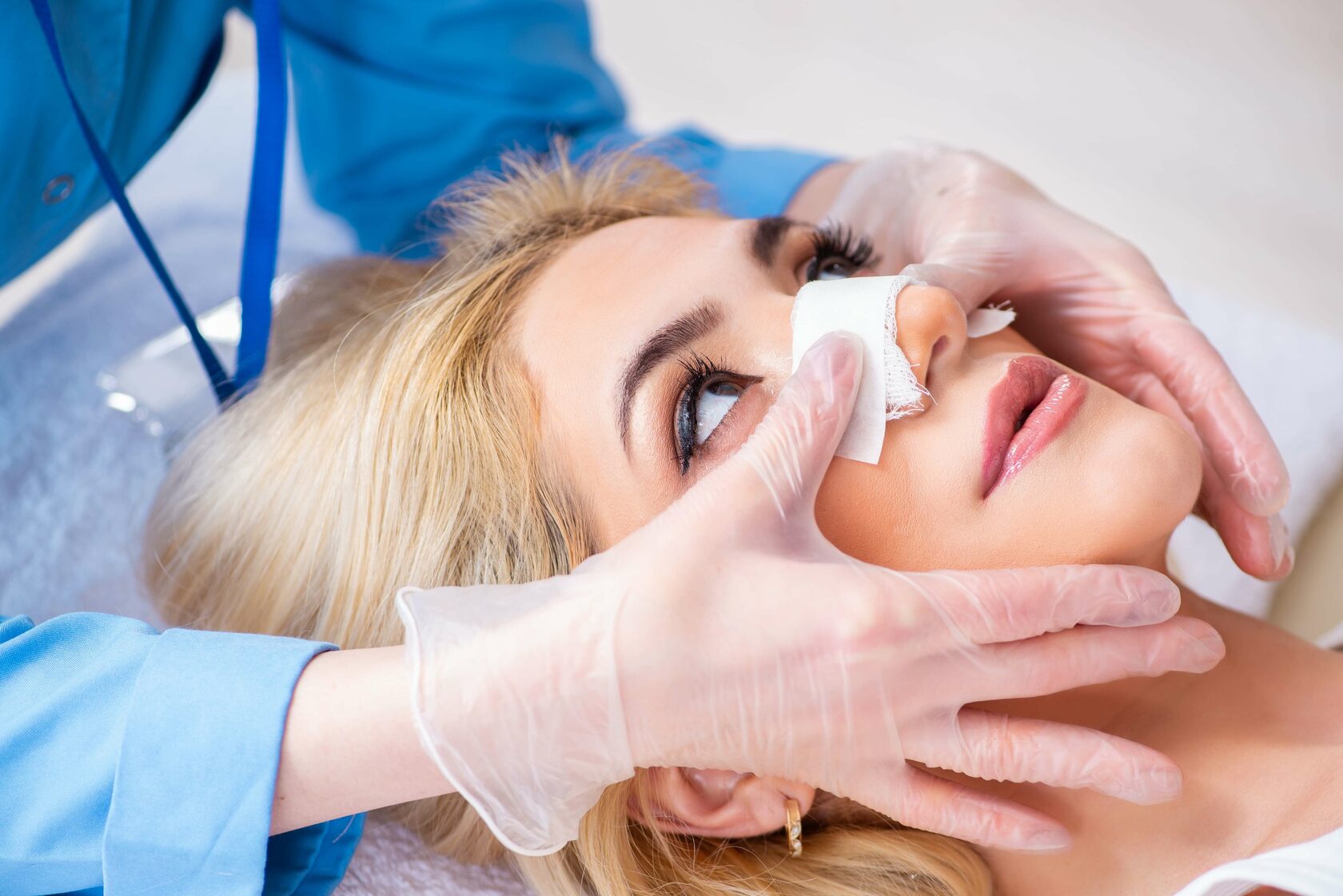
Immediate Post-Surgery (First 24-72 Hours):
- Initial Discomfort: You'll likely experience some dull aching, congestion (like a severe cold), and possibly a headache. Your surgeon will prescribe pain medication to manage this.
- Swelling and Bruising: Significant swelling around the nose, eyes, and cheeks is normal and will be most prominent during this period. Bruising, often appearing as "black eyes," is also very common.
- Splint and Packing: You'll have an external splint (cast) on your nose to protect and support its new shape. Internal nasal packing might also be present for the first 24-48 hours to help with bleeding and support the septum.
- Nasal Drainage: You may experience some bloody or clear drainage from your nostrils.
- Head Elevation: It's crucial to keep your head elevated (even while sleeping) using pillows or a wedge pillow to minimize swelling. Sleeping in a recliner can also be helpful.
- Cold Compresses: Apply cold compresses to the cheeks (not directly on the nose) hourly when awake for the first 72 hours to help reduce swelling and bruising.
- No Nose Blowing: Absolutely avoid blowing your nose for at least the first week, and ideally for up to four weeks, to prevent dislodging tissues or causing bleeding. If you sneeze, try to do so with your mouth open.
- Rest: Prioritize rest. Your body needs energy to heal.
- Hydration and Diet: Stick to a soft, bland diet and stay well-hydrated. Avoid very hot or spicy foods as they can increase swelling.
- No Glasses: Avoid wearing glasses that rest on your nose for at least 6 weeks to prevent pressure on the healing bones. Your surgeon might provide a special splint or advise taping glasses to your forehead.
First Week (Days 3-7):
- Swelling Starts to Subside: While still present, the most significant swelling and bruising will begin to decrease. Bruising often changes color (yellow, green) before fading.
- Splint Removal: Around day 5-7, your surgeon in Riyadh will remove the external splint and any remaining internal packing. This is often a significant milestone, allowing you to see the initial changes, though your nose will still be quite swollen.
- Nasal Care: Your surgeon will instruct you on how to gently clean the outside of your nose and use saline sprays to keep the nasal passages moist.
- Return to Light Activity: You can typically return to light, non-strenuous activities and work or school within 7-10 days, provided your job doesn't involve physical exertion.
- Continued Precautions: Continue to avoid strenuous activities, heavy lifting, bending over, and anything that could impact your nose.
Weeks 2-4:
- Significant Swelling Reduction: Most visible bruising will be gone, and the majority of the swelling (around 60-70%) will have subsided. You'll start to see a clearer outline of your new nose shape.
- Numbness: The tip of your nose may feel numb for several months; this is normal and sensation gradually returns.
- Gradual Increase in Activity: Your surgeon will advise when you can gradually reintroduce light exercise like walking. Strenuous activities like jogging, swimming, or gym workouts are usually off-limits for 3-4 weeks.
- Continued Protection: Continue to be very careful to avoid any impact to your nose.
Months 1-6:
- Swelling Continues to Decrease: Residual swelling, particularly in the nasal tip, will continue to diminish. This process is gradual and can be subtle.
- Nose Refinement: As swelling goes down, the refined contours of your nose will become more apparent. The nose may still feel slightly tender or sensitive to the touch.
- Sun Exposure: Protect your nose from direct sun exposure, as it can prolong swelling and cause discoloration. Use high SPF sunscreen and wear a hat when outdoors.
- Full Exercise Clearance: Most patients can resume their full exercise routines, including contact sports, after 6 weeks to 3 months, once the bones are fully stabilized. Your surgeon will provide specific clearance.
6 Months to 1 Year (and Beyond):
- Final Results Emerge: The complete and final results of your rhinoplasty will typically be visible around 12 months post-surgery, as all residual swelling resolves. The tip of the nose is usually the last area to settle.
- Subtle Changes: Even after a year, very subtle changes can continue as the tissues fully mature and adapt.
- Follow-up Appointments: Your surgeon in Riyadh will schedule follow-up appointments throughout this period to monitor your healing and ensure optimal results. Bizrahmed, for example, offers a full year of follow-up appointments.
General Recovery Tips for Riyadh Patients:
- Strictly Follow Post-Operative Instructions: Your surgeon's specific guidelines are paramount.
- Maintain a Healthy Diet: Nutrient-rich foods, especially protein, Vitamin A, and Vitamin C, support healing. Limit salt intake to reduce swelling.
- Stay Hydrated: Drink plenty of water.
- Avoid Smoking and Alcohol: These can significantly impair healing and increase complication risks.
- Avoid Hot Environments: Steamy showers, saunas, and very hot temperatures can increase swelling.
- Be Patient: Rhinoplasty recovery is a marathon, not a sprint. The full transformation takes time.
- Manage Expectations: Understand that initial swelling can obscure the final result, and it's normal to feel a range of emotions during recovery.
By following your surgeon's advice and taking diligent care of yourself, you can optimize your recovery experience after nose surgery in Riyadh and look forward to enjoying the final results.