

Tummy tuck in Riyadh (abdominoplasty) surgery is a significant procedure that requires a dedicated recovery period for optimal results and patient safety. In Riyadh, as in other parts of the world, clinics prioritize detailed post-operative instructions to guide patients through this healing journey. While individual recovery times can vary based on the extent of the surgery (mini vs. full vs. extended tummy tuck), individual healing capacity, and adherence to post-op care, here's a general timeline of what to expect:
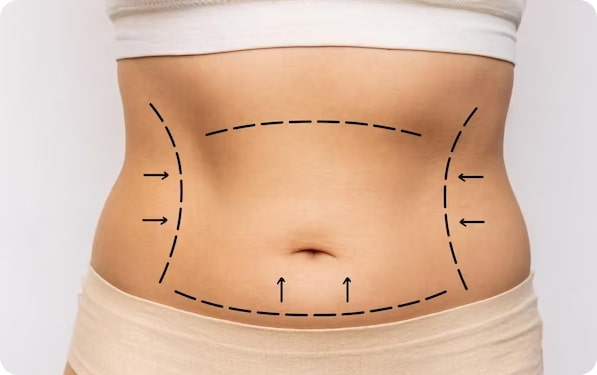
Immediately After Surgery (Day 1 - Day 3)
- Hospital Stay: Depending on the extent of the surgery and the clinic's protocol, you may stay overnight in the hospital or be discharged on the same day. For more extensive procedures like a full or circumferential tummy tuck, an overnight stay is common.
- Pain and Discomfort: You will experience moderate to significant pain, soreness, and tightness in the abdominal area. This is managed with prescribed pain medication. It's crucial to take these as directed.
- Swelling and Bruising: Significant swelling and bruising are normal. This is part of the body's natural healing process.
- Drainage Tubes: Most patients will have one or more small drainage tubes inserted to collect excess fluid and prevent seroma formation. These are usually removed within a few days to a week.
- Compression Garment: You will be fitted with a compression garment (abdominal binder or faja) immediately after surgery. This is essential for reducing swelling, supporting the newly tightened muscles and skin, and helping the skin adhere to the underlying tissues. You'll need to wear this continuously, only removing it for showering, as advised by your surgeon.
- Mobility: While rest is crucial, gentle movement is encouraged as soon as possible (e.g., short walks around the room) to improve blood circulation and prevent blood clots. You may find it difficult to stand completely straight initially due to tightness; a slightly bent posture is common.
- Assistance: It's vital to have someone assist you with daily activities for the first few days at home, as your mobility will be limited.
Week 1 - Week 2
- Reduced Discomfort: Pain and discomfort will gradually subside, allowing you to reduce your reliance on strong pain medication.
- Drain Removal: If present, drainage tubes are typically removed during this period (usually by the end of the first week or early in the second).
- Increased Mobility: You'll be able to stand more upright and move around with greater ease. Light activities are encouraged, but no strenuous movements.
- Wound Care: You'll receive specific instructions on how to care for your incisions, keeping them clean and dry. Showers are usually permitted after drains are removed and incisions are sealed.
- Compression Garment: Continue wearing your compression garment diligently, as advised by your surgeon (often 24/7 for the first few weeks).
- Return to Light Work: Many patients can return to light, desk-based work after 1-2 weeks, depending on their recovery and the nature of their job. Avoid lifting anything heavier than 5 pounds.
Week 3 - Week 6
- Significant Swelling Reduction: While some swelling will persist, the majority of the noticeable swelling will have decreased.
- Increased Activity: You can gradually resume more daily activities, but still avoid strenuous exercise, heavy lifting, or anything that strains the abdominal muscles.
- Scar Appearance: Incisions will still appear red and raised but will begin to flatten and fade over time. Your surgeon might recommend scar massage or topical treatments.
- Numbness/Tightness: It's common to experience numbness or a persistent tight sensation in the abdominal area. This is due to nerve regeneration and usually improves over several months.
- Compression Garment: Your surgeon will advise on how long to continue wearing the compression garment, often for at least 4-6 weeks, or even longer in some cases.
- Driving: You can typically resume driving once you are off pain medication and can comfortably operate the vehicle and react quickly (usually around 2-4 weeks).
Month 2 - Month 6
- Resuming Exercise: By 6-8 weeks, most patients can gradually reintroduce strenuous exercise and more vigorous activities, but always with the surgeon's approval. Listen to your body and don't push too hard too soon.
- Continued Swelling Resolution: Residual swelling can take up to 3-6 months, or even a year for some individuals, to fully resolve. As swelling subsides, your final results will become more apparent.
- Scar Maturation: Scars will continue to fade and flatten, becoming less noticeable. This process can take up to 12-18 months.
- Sensory Changes: Numbness or altered sensation in the abdomen will continue to improve, though some areas may have permanent changes in sensation.
6 Months and Beyond
- Final Results: The final results of your tummy tuck are generally visible by 6 months to a year, once all swelling has resolved and scars have matured.
- Longevity: With a stable weight and healthy lifestyle, the results of a tummy tuck are long-lasting, often considered permanent.
- Maintenance: Maintaining a stable weight through diet and exercise is crucial to preserve your results.
Key Recovery Tips from Riyadh Clinics:
- Follow Surgeon's Instructions: Adhere strictly to all post-operative care instructions provided by your surgeon.
- Rest: Adequate rest is paramount for healing.
- Hydration and Nutrition: Stay well-hydrated and consume a balanced, protein-rich diet to support the healing process.
- Avoid Smoking and Alcohol: These can significantly impair healing and increase the risk of complications. Most surgeons advise quitting weeks before and after surgery.
- Gentle Walking: Incorporate short, gentle walks daily to promote circulation and prevent complications.
- Attend Follow-up Appointments: Regular check-ups with your surgeon are crucial to monitor your healing and address any concerns.
- Manage Expectations: Understand that recovery is a gradual process, and patience is key to achieving the best outcomes.