

recovering from a hair transplant in Riyadh, whether it's an FUE, FUT, or DHI procedure, follows a predictable timeline. While individual healing rates can vary, here's a general recovery timeline and what you can expect:
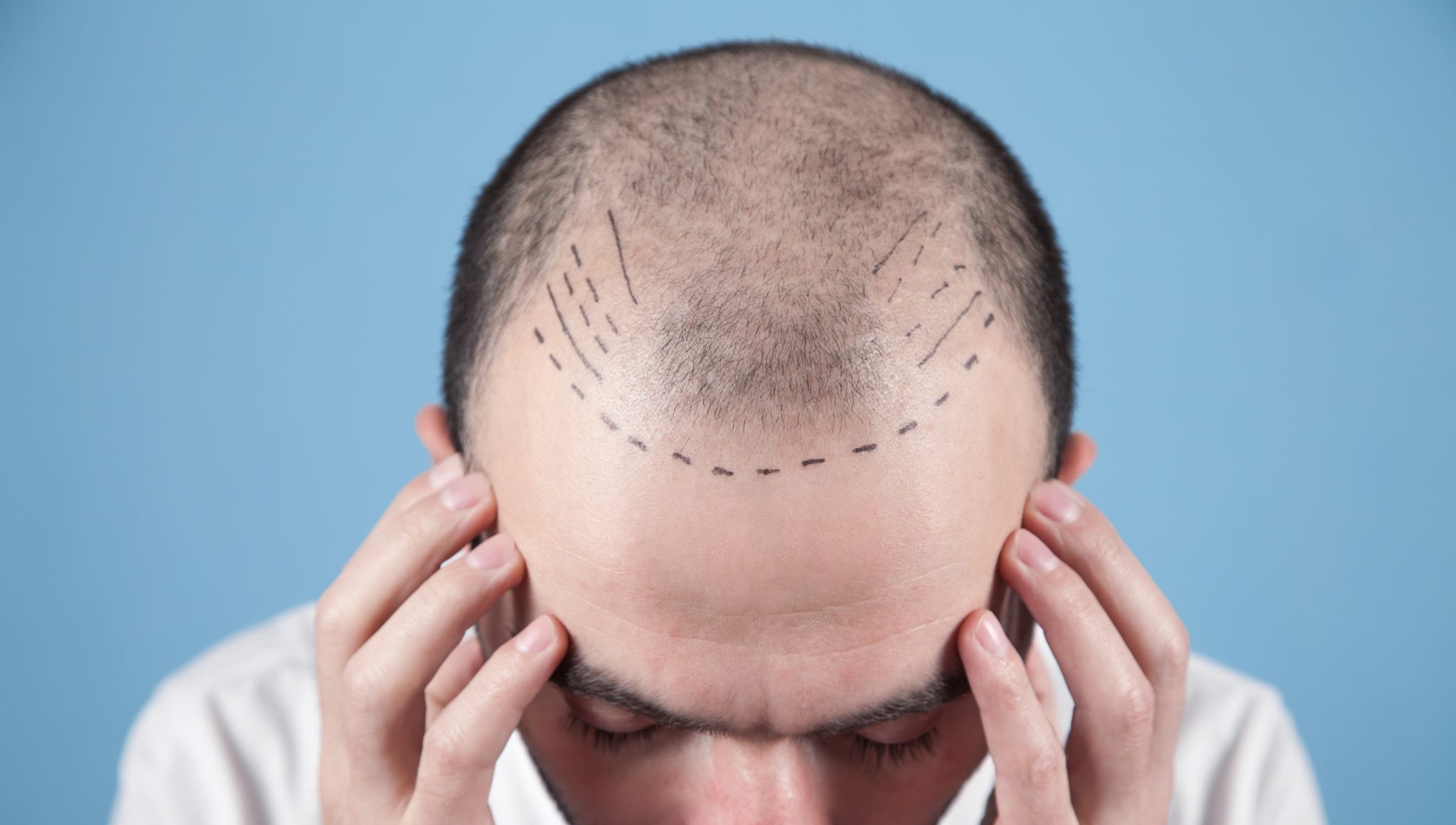
Immediate Post-Surgery (Day 0 - Day 3)
- What to Expect:
- Bandages/Dressing: The treated areas (donor and recipient) will likely be covered with bandages or a light dressing immediately after the procedure.
- Swelling: You'll experience some swelling in the forehead and around the eyes, which usually peaks on days 2-3 and then gradually subsides.
- Redness: The recipient area will appear red and dotted with tiny scabs around each transplanted graft. The donor area might also be red and tender.
- Discomfort/Pain: Mild discomfort, tenderness, or tightness in both the donor and recipient areas is common. This is usually manageable with prescribed pain medication.
- Numbness: The scalp may feel numb in some areas due to the local anesthesia.
- Small Bumps: Tiny, raised bumps at the recipient sites are normal.
- Post-Op Care:
- Rest: Get plenty of rest.
- Elevate Head: Sleep with your head elevated (using a few pillows or a neck pillow) for the first 3-5 nights to minimize swelling.
- Avoid Touching/Rubbing: Absolutely avoid touching, scratching, or rubbing the transplanted grafts.
- Medication: Take all prescribed medications (antibiotics to prevent infection, pain relievers, and sometimes anti-inflammatory drugs) as directed.
- Avoid Strenuous Activity: No heavy lifting, bending over, or strenuous exercise that could increase blood pressure to the scalp.
- No Washing: You will typically be instructed not to wash your hair for the first 2-3 days.
- Hydration: Stay well-hydrated.
Early Recovery Phase (Day 4 - Week 2)
- What to Expect:
- Swelling Subsides: Swelling should significantly decrease by the end of the first week.
- Scabbing: Scabs will form around each transplanted graft. These scabs are crucial for protecting the grafts as they anchor.
- Itching: Mild to moderate itching in both donor and recipient areas is common as the scalp heals. Resist scratching!
- Gentle Washing Begins: Your clinic will provide specific instructions, but typically you can begin gentle washing of your scalp around day 3-5. This is done with a special, mild shampoo and a gentle pouring technique to help soften and eventually remove the scabs.
- Donor Area Healing: The donor area (especially with FUE) should start to heal well, with any small wounds closing up.
- Post-Op Care:
- Continue Gentle Washing: Follow your clinic's detailed instructions for washing your hair. This is critical for scab removal.
- Avoid Picking Scabs: Allow scabs to fall off naturally. Picking can dislodge grafts.
- Sun Protection: Avoid direct sun exposure to the scalp. Wear a loose-fitting hat if you go outdoors (ensure it doesn't rub the grafts).
- Light Activities: You can usually resume light activities and return to non-physical work around days 6-10, but continue to avoid anything that causes heavy sweating or direct impact to the head.
Shedding Phase (Week 2 - Week 4)
- What to Expect:
- Shedding of Transplanted Hair ("Shock Loss"): This is a normal and expected part of the process. Most, if not all, of the transplanted hairs will shed. This happens because the hair follicles enter a resting phase due to the trauma of transplantation. Don't be alarmed; the follicle itself remains implanted and healthy beneath the scalp.
- Scabs Gone: Most, if not all, scabs should have fallen off by the end of this phase.
- Scalp Appearance: Your scalp might look similar to how it did before the transplant, or even a bit thinner, due to the shedding.
- Post-Op Care:
- Patience: This phase requires patience. Understand that shedding is a positive sign that the follicles are entering a new growth cycle.
- Continue Gentle Care: Maintain a gentle hair care routine.
- Resume Normal Washing: You can typically resume a more normal, but still gentle, washing routine.
Early Growth Phase (Month 1 - Month 3)
- What to Expect:
- Dormant Phase: The hair follicles are in a resting (telogen) phase. You will see little to no visible new hair growth during this period.
- Scalp Sensitivity: Any lingering numbness or sensitivity should subside.
- Post-Op Care:
- Follow-Up Appointments: Attend any scheduled follow-up appointments with your surgeon to monitor progress.
- Continue Recommended Products: If prescribed, continue using any hair growth stimulating products (like minoxidil or finasteride) or supportive treatments (like PRP).
Significant Growth Phase (Month 4 - Month 6)
- What to Expect:
- New Hair Emergence: This is an exciting phase! Fine, thin hairs will start to emerge from the transplanted follicles.
- Texture Change: Initially, the new hair may be fine, curly, or a different texture, but it will gradually thicken and become more like your natural hair.
- Increased Density: You'll start to notice a visible improvement in hair density and coverage.
- Post-Op Care:
- Patience: While growth is noticeable, it's still a process.
- Continue Healthy Habits: Maintain a healthy diet and lifestyle to support hair growth.
Maturation and Full Results (Month 7 - Month 12+ / Up to 18 Months)
- What to Expect:
- Thickening and Darkening: The new hair will continue to thicken, darken, and mature, blending seamlessly with your existing hair.
- Increased Density: Density and volume will significantly improve.
- Styling Freedom: By 9-12 months, you'll be able to cut and style your new hair much more freely.
- Final Results: The final results are typically visible around 12 months, though for some individuals, especially those with crown transplants, full maturation can take up to 18 months.
- Post-Op Care:
- Enjoy: You can treat your transplanted hair like your natural hair.
- Long-Term Care: Continue any long-term maintenance treatments or products recommended by your surgeon.
- Final Check-up: Attend your final check-up with the clinic to assess the overall outcome.
Important Considerations in Riyadh:
- Clinic Instructions: Always, always, always follow the specific post-operative instructions provided by your clinic in Riyadh. They may have slight variations based on their techniques and protocols.
- Communication: Don't hesitate to contact your clinic if you have any concerns, excessive pain, prolonged swelling, signs of infection (fever, pus, severe redness), or unusual shedding.
- Climate: Riyadh's hot climate means extra attention to sun protection is vital during recovery. Wear loose hats or stay out of direct sun.
By understanding this timeline and diligently following aftercare instructions, you can maximize the success of your hair transplant and achieve excellent, natural-looking results.