

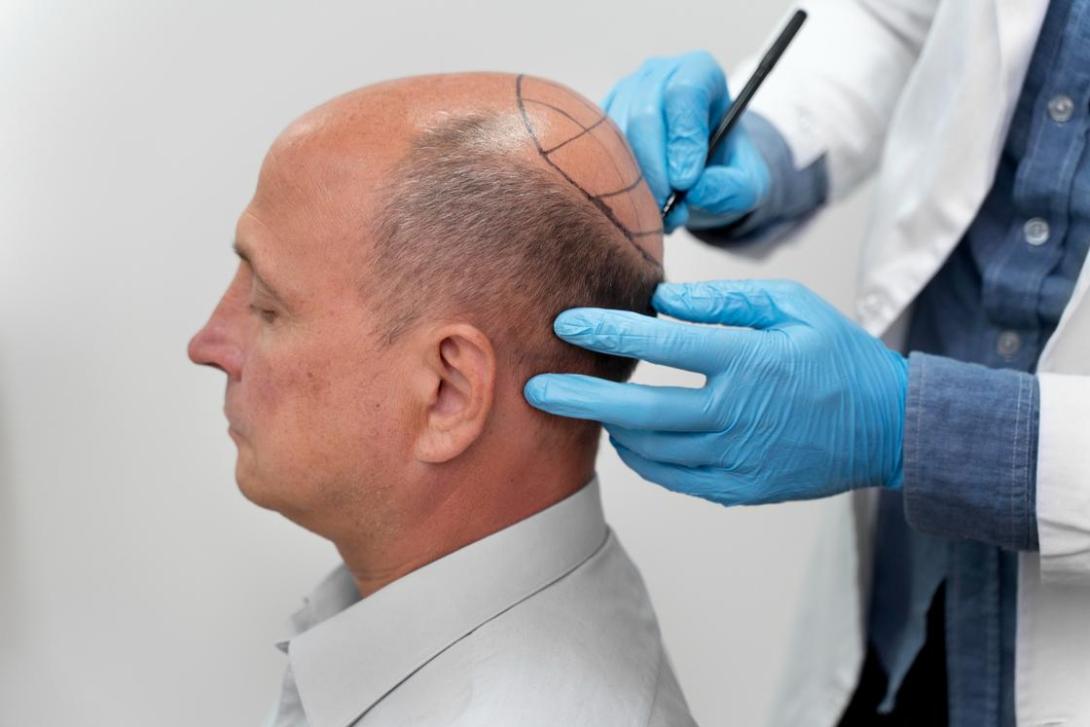
Undergoing a hair transplant in Riyadh is an exciting step towards restoring your hairline and confidence. While the procedure itself is relatively straightforward due to local anesthesia, understanding the recovery timeline is essential for managing expectations and ensuring optimal results. The recovery process is a journey that spans several months, with different phases of healing and growth.
Immediate Post-Procedure (Day 1-7)
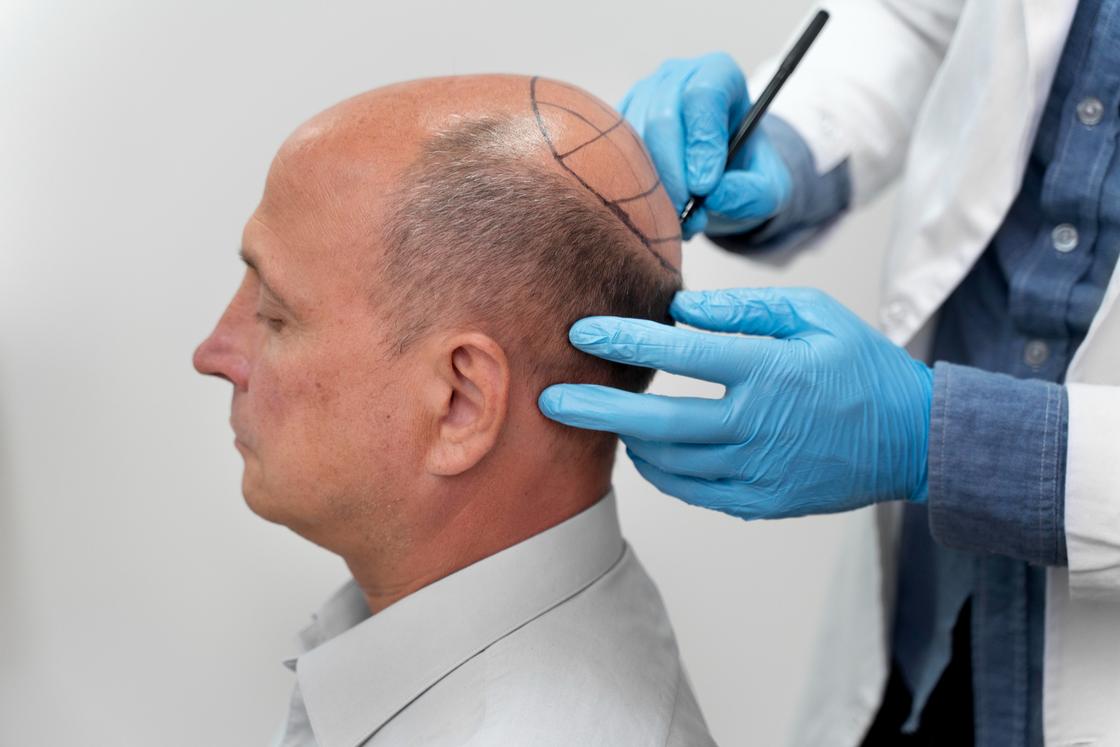
The first week after your hair transplant is the most crucial for the initial healing and protection of the newly implanted grafts.
- Day of Procedure: You will likely feel a sensation of tightness or mild discomfort in both the donor and recipient areas, which can be managed with prescribed pain medication. Swelling may begin, particularly around the forehead and eyes. Your scalp will be bandaged, and you'll receive detailed instructions on how to care for it.
- Days 1-3: Swelling might peak during these days. It's vital to sleep with your head elevated (at a 45-degree angle) to minimize swelling and prevent accidental dislodgement of grafts while sleeping. You'll need to avoid touching or rubbing the transplanted area. Your clinic in Riyadh will provide a special saline spray to keep the area hydrated.
- Days 4-7: Swelling usually starts to subside. Small scabs will form around each transplanted graft, which is a normal part of the healing process. Your surgeon will typically instruct you on how to begin very gentle washing of your scalp using a special shampoo, often by gently pouring water over the head rather than directly showering. This helps in the gradual removal of scabs. It's crucial to avoid scratching, picking, or rubbing the scabs, as this can dislodge the grafts. Redness in both the donor and recipient areas will also be noticeable.
Early Recovery and "Shock Shedding" (Week 2 - Month 2)
This phase marks the beginning of the grafts settling in, and a common phenomenon known as "shock shedding" occurs.
- Week 2: Most of the scabs should have naturally fallen off by now. The initial redness in the recipient area will start to diminish, although some pinkness may persist, especially in lighter skin tones. For FUT procedures, sutures in the donor area are typically removed around this time. Most patients can return to light work and normal daily activities, though strenuous exercise should still be avoided.
- Weeks 3-4: This is when "shock shedding" often begins. The transplanted hairs, along with some existing hairs in the recipient area, may fall out. This is a completely normal and temporary phase, not a sign of failure. The hair follicles themselves remain intact and are merely entering a resting phase before new growth.
- Month 2: Shock shedding usually continues, and you might notice your transplanted area looking similar to, or even thinner than, it did before the procedure. This is part of the natural hair growth cycle and requires patience. The donor area will continue to heal and grow back.
The Growth Phase (Month 3 - Month 9)
This is the most exciting phase as you start to see tangible results.
- Month 3-4: New hair growth will begin to emerge from the transplanted follicles. Initially, these hairs will be very fine, thin, and often light-colored, resembling "baby hairs."
- Month 5-6: The new hairs will gradually start to thicken, gain more color, and become more noticeable. You'll see a significant increase in density in the transplanted areas. At this point, many patients feel a considerable boost in confidence as their appearance starts to transform.
- Month 7-9: The transplanted hair will continue to grow, thicken, and mature. By the end of this period, you should see a substantial portion (around 60-80%) of your final result. The hair will be long enough to style, and it should blend naturally with your existing hair.
Final Results (Month 10 - Month 18)
The journey culminates in the full maturation of the transplanted hair.
- Month 10-12: The hair will continue to gain density and thickness. The final desired aesthetic result should be largely visible. The transplanted hair will have fully adapted to its new location and will grow like your natural hair, requiring no special maintenance.
- Month 12-18: In some cases, particularly for very large transplants or individuals with slower hair growth cycles, the hair may continue to mature and thicken slightly beyond 12 months. The final, permanent results are typically fully established by 18 months post-procedure.
Factors Affecting Recovery Time:
Several factors can influence the individual recovery timeline:
- Hair Transplant Technique: FUE and DHI generally have quicker initial healing times than FUT due to the less invasive nature and absence of a linear incision.
- Number of Grafts: Procedures involving a large number of grafts might require a slightly longer initial recovery due to the increased area treated.
- Individual Healing Capability: Each person's body heals at a different rate, influenced by factors like age, general health, nutrition, and lifestyle (e.g., smoking can impede healing).
- Adherence to Aftercare Instructions: Strictly following your surgeon's post-operative care guidelines is crucial for minimizing complications and optimizing healing and growth.
- Complications: While rare, complications like infection or excessive swelling can prolong recovery.
In Riyadh, clinics provide comprehensive aftercare support to guide you through each stage of recovery. Patience is key throughout the hair transplant recovery process. While the initial healing is relatively quick, the full and satisfying results of your hair transplant will gradually emerge over many months, revealing a natural and permanent restoration of your hair.