
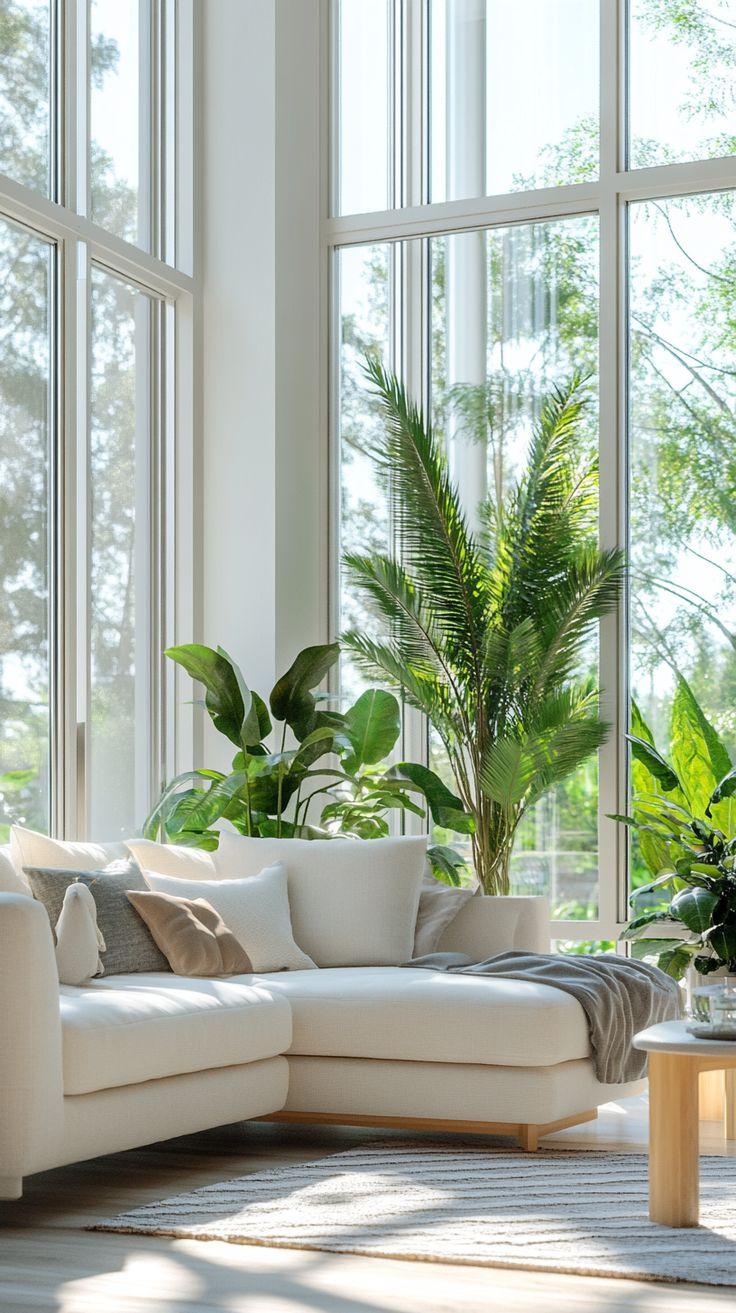
In today’s fast-paced urban life, bringing nature indoors isn’t just a design trend—it’s a lifestyle choice. At Stonespire Architects, we’ve seen firsthand how greenery transforms not only the way a space looks but also how it feels. Whether you're looking to design home design ideas that feel more connected to nature or searching for ways to improve indoor air quality, plants are a beautiful and budget-friendly solution.
Incorporating plants into your interiors doesn’t require a green thumb—just a thoughtful approach to placement, light, and styling. Here’s how you can make plants a functional and aesthetic part of your home.
1. The Dual Power of Plants: Beauty + Health
Plants do more than just look pretty on your shelf or window sill. Studies have shown that houseplants help purify the air by absorbing toxins, increasing humidity, and producing oxygen. They help reduce stress, improve mood, and even boost productivity—making them ideal not only for homes but also for home offices and creative spaces.
From snake plants to peace lilies, adding greenery gives your interiors a fresh, lively touch that elevates your overall home design.
2. Best Indoor Plants for Air Purification
If you’re new to houseplants, start with low-maintenance options that also improve air quality. Some of the top performers include:
- Spider Plant – Great for beginners and helps filter pollutants like formaldehyde.
- Areca Palm – Adds a tropical feel and improves humidity.
- Peace Lily – Known for its beautiful white blooms and toxin-absorbing abilities.
- Snake Plant – Very hardy and releases oxygen even at night, ideal for bedrooms.
- Aloe Vera – Doubles as a healing plant for skin and a stylish tabletop plant.
Place these strategically in rooms with good light and moderate humidity for maximum benefit.
3. Styling Tips to Design With Plants
Want your home to look like it came straight out of a magazine? Here are a few styling tips to help you design home design spaces that feel fresh and cohesive:
- Go Vertical: Use wall planters, hanging baskets, or ladder shelves to create height and visual interest.
- Mix Sizes & Shapes: Blend tall leafy plants with small tabletop pots to create layers.
- Use Decorative Pots: Choose ceramic, brass, or woven baskets that complement your interiors.
- Create a Focal Point: A tall indoor plant like a fiddle leaf fig can serve as a statement piece in a living room or dining area.
- Group Plants in Odd Numbers: Interior stylists often use odd numbers for balance and a more natural feel.
4. Choosing the Right Spots in Your Home
When it comes to designing your house, lighting is key. Some plants thrive in direct sunlight, while others prefer low-light corners. Observe where natural light hits during the day and place your plants accordingly:
- Bright Light: East or west-facing windows – good for succulents, cacti, and snake plants.
- Medium Light: Near windows with filtered curtains – suitable for spider plants, pothos, and ferns.
- Low Light: Corners or rooms with artificial light – peace lilies and ZZ plants do well here.
Don't forget to rotate your plants every few weeks so all sides get adequate light and grow evenly.
5. Create Plant Zones in Your Home
A fun way to make your interiors look lush is to dedicate mini zones or corners for greenery:
- Living Room Jungle: Cluster tall and small plants near the window for a cozy green nook.
- Kitchen Herbs: Keep pots of mint, basil, or thyme on your kitchen window sill for both scent and use.
- Bathroom Spa Vibes: Add moisture-loving plants like bamboo or Boston ferns to enhance that spa-like atmosphere.
- Bedroom Calm: Use low-maintenance air-purifiers like aloe vera or snake plant for a restful vibe.
These zones not only enhance the visual appeal but also create a calming atmosphere in different parts of your home.
Why Bangalore Homes Need Green Interiors
With the growing urbanization in Bangalore, indoor air quality is a rising concern. Including plants in your home design not only boosts air quality but also introduces a sense of calm in the middle of the city’s hustle. For homeowners working with architects in Bangalore – Stonespire Architects, incorporating nature is a foundational design principle. We believe every modern home should have a touch of green, no matter the size or budget.
Conclusion
Whether you're designing a cozy studio or a spacious villa, plants add depth, color, and life to your space. They’re an affordable way to enhance beauty while promoting better health. At Stonespire, we focus on bringing together nature and architecture seamlessly so your home doesn’t just look good—it feels good too.