

Going for a tummy tuck in Riyadh is an exciting first step towards achieving your aesthetic goals. To make the most of this important meeting, thorough preparation is key. A well-prepared consultation allows you to gain comprehensive information, feel confident in your choices, and establish a clear understanding with your prospective surgeon. Here's how to prepare effectively for your tummy tuck consultation in Riyadh.
1. Research and Select Your Surgeon
Before scheduling a consultation, do your homework. Riyadh has many qualified plastic surgeons, but you want to find one who specializes in body contouring and has a strong track record with tummy tucks.
- Credentials: Look for surgeons who are board-certified by reputable organizations (e.g., Saudi Board of Plastic Surgery). This ensures they have met rigorous standards of training and expertise.
- Experience: Inquire about their experience specifically with abdominoplasty. How many procedures have they performed?
- Specialization: While many plastic surgeons perform tummy tucks, some have a particular focus or advanced techniques in body contouring.
- Reviews and Testimonials: Read patient reviews and testimonials. Look for feedback on communication, bedside manner, and overall patient satisfaction. Websites like Tabiby, or specific clinic websites, might offer insights.
- Before & After Photos: Review their portfolio of before and after photos, paying attention to cases similar to yours. This gives you an idea of their aesthetic style and the results they achieve.
2. Define Your Goals and Expectations
Spend some time reflecting on what you hope to achieve with a tummy tuck. Be realistic and specific.
- Why do you want a tummy tuck? Is it excess skin after weight loss or pregnancy? Muscle laxity?
- What bothers you most about your abdomen? (e.g., hanging skin, stretch marks, protruding belly)
- What is your ideal outcome? While it's important to be realistic, having a clear vision will help you communicate effectively with the surgeon.
- Are you willing to accept a scar? Understand that a tummy tuck involves a significant scar.
- Are your expectations realistic? A tummy tuck is a body contouring procedure, not a weight-loss solution.
3. Prepare Your Medical History
The surgeon will need a comprehensive understanding of your health. Gather and be ready to discuss:
- Current Medications: List all prescription medications, over-the-counter drugs, vitamins, herbal supplements, and recreational drugs you are currently taking.
- Allergies: Any known allergies to medications, latex, or other substances.
- Past Surgeries: Details of any previous surgeries, including dates and outcomes.
- Medical Conditions: Any existing or past medical conditions such as diabetes, heart disease, high blood pressure, bleeding disorders, autoimmune diseases, etc.
- Previous Pregnancies: If applicable, details about pregnancies, including C-sections.
- Smoking/Alcohol Consumption: Be honest about your smoking habits and alcohol consumption, as these can significantly impact healing.
- Family Medical History: Any significant medical conditions that run in your family.
4. Formulate Specific Questions
Prepare a list of questions to ask the surgeon. This ensures you cover all your concerns and don't forget anything important during the consultation. Consider questions about:
- The Procedure:
- What type of tummy tuck do you recommend for me and why?
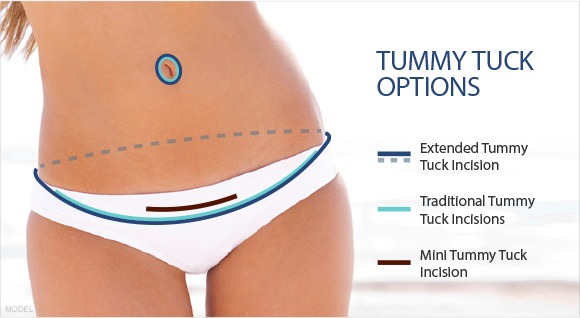
- Where will the incisions be placed?
- What kind of anesthesia will be used?
- How long will the surgery take?
- Will liposuction be combined with my tummy tuck?
- Risks and Complications:
- What are the potential risks and complications associated with this surgery?
- How do you manage these risks?
- What is your experience with managing complications?
- Recovery:
- What is the typical recovery timeline?
- How much downtime should I expect?
- When can I resume normal activities, exercise, and work?
- What kind of post-operative care will I need (drains, compression garments, follow-up appointments)?
- How will pain be managed?
- Cost:
- What is the total cost of the procedure, including surgeon's fees, anesthesia, facility fees, and post-operative care?
- Are there any hidden costs?
- What payment options are available?
- Logistics:
- Where will the surgery be performed (hospital or clinic)?
- What are the qualifications of the anesthesiologist?
- What is the emergency protocol?
5. Be Prepared for a Physical Examination
The surgeon will need to physically examine your abdominal area. This will involve:
- Assessing the quality and elasticity of your skin.
- Identifying areas of excess fat.
- Checking for muscle separation (diastasis recti).
- Evaluating the position of your belly button.
6. Consider Bringing Someone Along
Having a trusted friend or family member with you can be beneficial. They can help listen, take notes, and ask questions you might forget.
7. Take Notes
Bring a notepad and pen (or use your phone) to jot down key information, answers to your questions, and any instructions from the surgeon. This will be invaluable for recalling details later.
By thoroughly preparing for your tummy tuck consultation in Riyadh, you empower yourself to make informed decisions, build a strong rapport with your surgeon, and embark on your surgical journey with confidence.