

Once you've decided to proceed with liposuction surgery in Riyadh and have chosen a qualified surgeon, proper preparation is key to a smooth procedure and optimal results. Your surgeon and their team will provide detailed instructions, but here's a general guide on how to prepare:
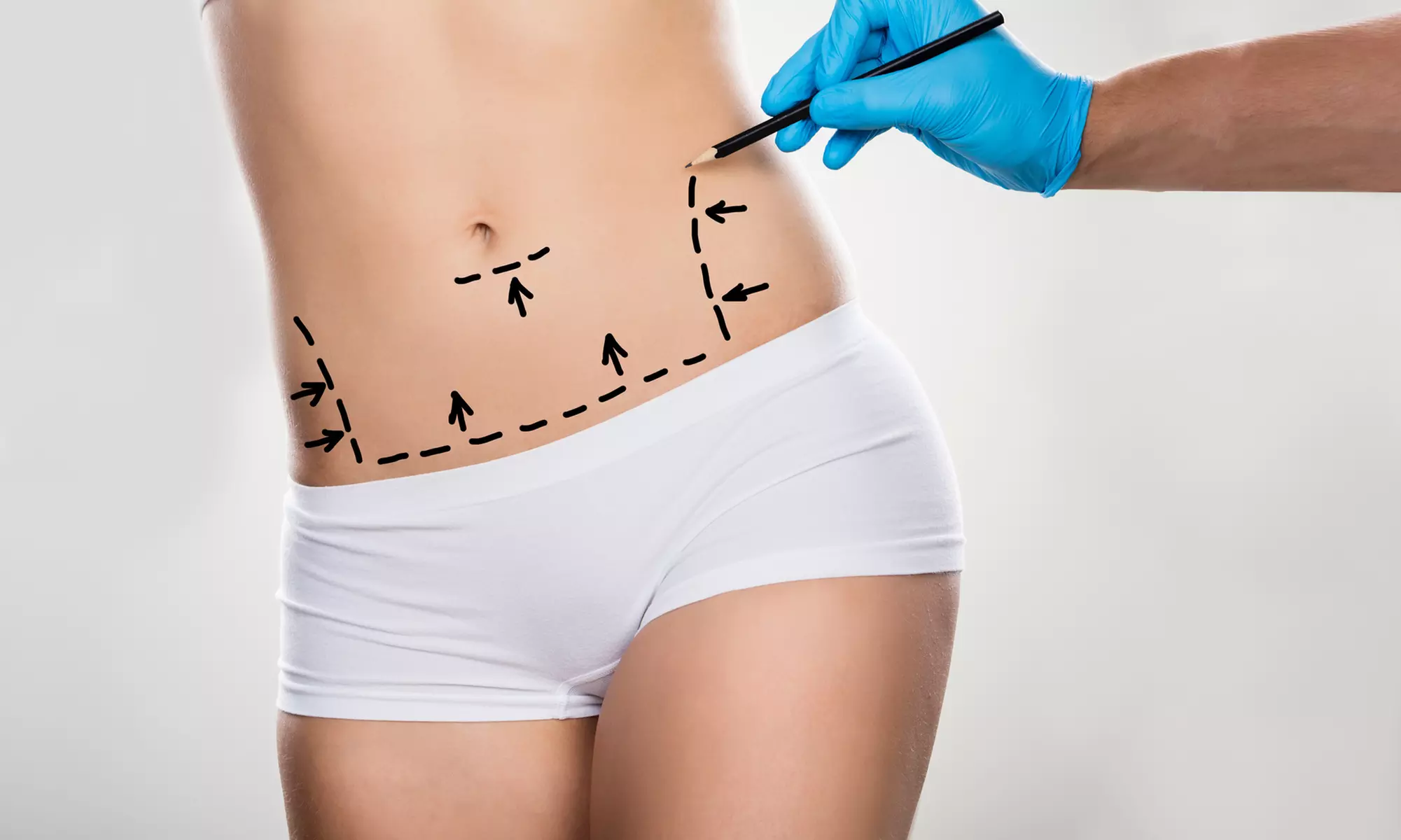
1. Comprehensive Consultation and Medical Evaluation:
- Be Honest and Thorough: During your initial consultations, be completely honest about your medical history, including all past surgeries, medical conditions (e.g., diabetes, heart disease, high blood pressure), allergies, and any medications, supplements, or herbal remedies you are currently taking.
- Discuss Your Goals: Clearly articulate what you hope to achieve with liposuction. This helps your surgeon understand your expectations and determine if they are realistic.
- Physical Examination: Your surgeon will perform a physical exam, assess your skin elasticity, and mark the areas to be treated.
- Medical Clearances: You will likely need to undergo various medical tests, such as blood tests (CBC, clotting factors), an ECG (electrocardiogram), and possibly other screenings, to ensure you are healthy enough for surgery. Your surgeon might also require clearance from your primary care physician or a specialist if you have pre-existing conditions.
2. Medications and Supplements:
- Stop Blood Thinners: This is crucial. You will almost certainly be instructed to stop taking medications and supplements that can thin the blood at least two weeks before surgery. This includes:
- Aspirin
- NSAIDs (Non-Steroidal Anti-Inflammatory Drugs) like ibuprofen (Advil, Motrin), naproxen (Aleve)
- Certain herbal supplements (e.g., ginkgo biloba, ginseng, Vitamin E, fish oil, garlic supplements, St. John's Wort)
- Review All Medications: Provide a complete list of all your medications to your surgeon. They will advise which ones to continue, adjust, or stop.
- Prescription Medications: If you take prescription medications, discuss with your surgeon and prescribing doctor how to manage them around the time of surgery. Some might need to be temporarily paused or adjusted.
3. Smoking and Alcohol:
- Quit Smoking: If you smoke, you will be strongly advised, if not required, to stop smoking at least 4-6 weeks before surgery (and ideally continue to abstain for several weeks post-op). Smoking significantly impairs circulation, slows healing, and increases the risk of complications like infection, poor wound healing, and skin necrosis.
- Avoid Alcohol: Refrain from consuming alcohol for at least 1-2 weeks before surgery. Alcohol can thin the blood, interfere with anesthesia, and dehydrate you.
4. Diet and Hydration:
- Maintain a Healthy Diet: Eat a balanced and nutritious diet in the weeks leading up to your surgery. This helps optimize your body's healing capabilities.
- Stay Hydrated: Drink plenty of water in the days leading up to surgery.
- Fasting Instructions: You will receive strict instructions on when to stop eating and drinking before surgery (typically nothing by mouth after midnight the night before, or 6-8 hours prior to surgery, depending on the time). Follow these precisely to avoid complications related to anesthesia.
5. Practical Arrangements:
- Arrange for a Responsible Adult: You must arrange for a responsible adult to drive you home after the surgery and stay with you for at least the first 24-48 hours. You will be groggy from anesthesia and unable to care for yourself properly.
- Prepare Your Recovery Space:
- Comfortable Clothing: Have loose-fitting, comfortable clothing that's easy to put on and take off (button-down shirts, loose pants/dresses).
- Entertainment: Books, magazines, TV, movies, or other forms of entertainment for your recovery period.
- Accessibility: Place frequently used items within easy reach.
- Nourishment: Stock your fridge with easy-to-prepare, light, and healthy foods.
- Time Off Work/Responsibilities: Plan for adequate time off from work and other daily responsibilities. The recovery period varies, but typically you'll need at least 3-7 days off for desk jobs, and longer for more physically demanding roles.
- Compression Garments: Your surgeon will likely provide or prescribe special compression garments. Ensure you have them ready and understand how to wear them correctly.
- Childcare/Pet Care: Arrange for assistance with children or pets during your initial recovery phase.
6. The Day Before and Day of Surgery:
- Confirm Arrangements: Confirm your transportation and recovery support.
- Shower: You may be asked to shower with an antiseptic soap the night before or morning of surgery.
- No Lotions/Makeup: Do not apply any lotions, creams, makeup, deodorant, or perfume on the day of surgery.
- Dress Comfortably: Wear loose, comfortable clothing that's easy to put on after surgery.
- Leave Valuables at Home: Do not wear jewelry or bring any valuable items to the clinic/hospital.
- Arrive Early: Arrive at the clinic or hospital at the instructed time, allowing for check-in procedures.
By diligently following your surgeon's specific instructions and taking these preparatory steps, you can significantly contribute to a safer procedure and a smoother recovery from your liposuction in Riyadh.