

Preparing for a hair transplant in Riyadh, whether FUE or FUT, involves a series of important steps to ensure a smooth procedure, optimal graft survival, and a successful recovery. Your chosen clinic and surgeon will provide specific, detailed instructions, but here's a general guide to help you prepare:
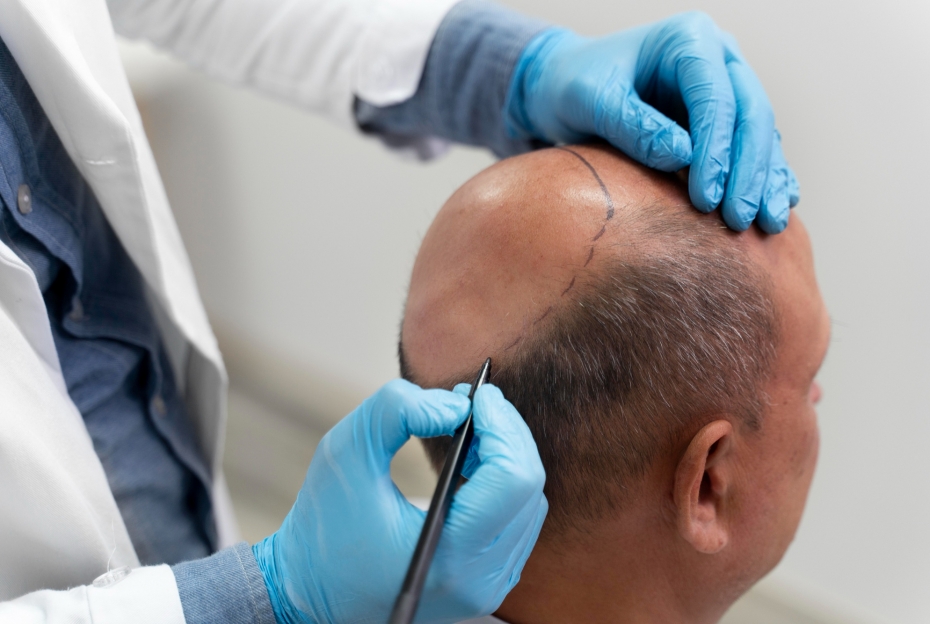
I. Initial Consultation and Medical History
This is the first and most crucial step. During your consultation in Riyadh:
- Be Honest About Medical History: Disclose all medical conditions (e.g., diabetes, hypertension, heart conditions), allergies, and previous surgeries.
- List All Medications & Supplements: Inform your surgeon about all prescription medications, over-the-counter drugs, vitamins, and herbal supplements you are currently taking. This is critical as some can interfere with anesthesia or increase bleeding risk.
- Discuss Expectations: Clearly communicate your desired results and discuss realistic outcomes with your surgeon.
- Understand the Procedure: Ask any questions you have about the chosen technique (FUE vs. FUT), the duration, anesthesia, and the recovery process.
II. Medications and Supplements to Avoid (Generally 1-2 Weeks Prior)
This is one of the most vital preparation steps. Most clinics advise stopping certain substances to minimize bleeding and potential complications.
- Blood Thinners:
- Aspirin and NSAIDs (Non-Steroidal Anti-Inflammatory Drugs): This includes medications like Ibuprofen (Motrin, Advil), Naproxen (Aleve), and others. Stop these at least 10-14 days before surgery. Many over-the-counter cold remedies also contain aspirin, so always check labels.
- Prescription Blood Thinners: If you are on medications like Warfarin (Coumadin), Heparin, or Clopidogrel (Plavix), inform your doctor immediately. They will advise on a safe tapering schedule or alternative medication, often in consultation with your prescribing physician. Do NOT stop these without medical advice.
- Vitamins and Herbal Supplements:
- Vitamin E, Fish Oil (Omega-3s), and B Vitamins: These can increase bleeding. Stop them at least 1-2 weeks before surgery.
- Ginkgo Biloba, Garlic, Ginseng, Green Tea Extracts, Turmeric: These herbs can also have blood-thinning properties. Discontinue them about 1-2 weeks prior.
- Protein Shakes with L-Arginine, Creatine, Energy Supplements: Some clinics recommend stopping these 15 days to a month in advance.
- Topical Hair Treatments:
- Minoxidil (Rogaine): Stop using topical Minoxidil at least 1 week before the procedure, as it can increase bleeding and interfere with precise follicle extraction.
- Alcohol: Avoid alcohol for at least 3-7 days before surgery. Alcohol thins the blood and can increase bleeding during and after the procedure.
- Smoking/Nicotine Products: Stop smoking (cigarettes, shisha, midwakh) and using any nicotine products (vaping, patches, gum) at least 1-2 weeks prior to surgery, ideally longer. Nicotine constricts blood vessels, reduces blood flow to the scalp, and impairs healing, which can negatively impact graft survival and wound healing.
- Caffeine: Reduce caffeine intake in the days leading up to surgery and avoid it entirely on the day of the procedure. Caffeine can increase blood pressure and sensitivity to medications.
III. Hair and Scalp Preparation
- Hair Length:
- FUE: For FUE, the donor area (usually the back and sides) will need to be shaved or trimmed very short. Your clinic may ask you to trim it before arrival or do it at the clinic. Some specialized "long hair FUE" techniques exist where shaving isn't required, but these are less common.
- FUT: For FUT, allow your hair in the donor area (back of the head) to grow to a length of at least 2-3 inches. This helps to conceal the linear scar after the procedure.
- Hair Coloring/Perms: If you plan to color or perm your hair, do so at least 2-3 days before the surgery. This allows any chemicals to dissipate and avoids scalp irritation near the procedure time.
- Scalp Massage (for FUT): If you are having FUT, some clinics recommend massaging your donor scalp area daily for several weeks before the surgery. This helps increase scalp laxity, which can facilitate easier strip removal and closure.
- Shampooing: Wash your hair thoroughly with your regular shampoo the night before or the morning of the surgery. Ensure your scalp is clean and free of any styling products (gels, sprays, mousse). Do not apply any hair products on the day of surgery.
IV. Lifestyle and General Health
- Diet:
- Maintain a healthy, balanced diet rich in protein, fruits, and vegetables in the weeks leading up to surgery. This supports overall health and healing.
- Stay well-hydrated by drinking plenty of water.
- Avoid overly salty or spicy foods, as they can sometimes contribute to swelling.
- Have a good, light breakfast on the morning of surgery (unless instructed otherwise for general anesthesia, though hair transplants are usually done under local anesthesia). Avoid coffee and tea on the morning of surgery.
- Exercise: Avoid strenuous exercise for at least 24-48 hours before the surgery. Strenuous activity can increase blood pressure and affect bleeding.
- Sleep: Get a full night's sleep the night before your procedure to ensure you are well-rested.
- Hygiene: Shower on the morning of your surgery.
- Inform About Illness: If you experience any changes in your physical condition, such as a cold, fever, flu, or infection, immediately notify your clinic in Riyadh. Your surgery might need to be rescheduled.
- Pregnancy: If there is any chance you are pregnant, inform the clinic immediately.
V. On the Day of Surgery
- Attire: Wear comfortable, loose-fitting clothing that buttons up or zips down the front. Avoid pullovers or anything that needs to be pulled over your head, as this could dislodge newly transplanted grafts after the procedure.
- No Perfumes/Colognes: Do not wear any perfumes, colognes, or aftershaves, as some surgical staff may have allergies.
- Valuables: Leave valuables at home.
- Transportation: Arrange for someone to drive you home after the procedure, as you may be given sedatives that impair your ability to drive. If you're traveling from out of town, consider staying overnight in a nearby hotel.
- Pre-operative Medications: Take any prescribed pre-operative antibiotics or other medications as directed by your clinic, usually about an hour before the scheduled time.
By diligently following these pre-operative instructions provided by your Riyadh clinic, you significantly contribute to the success of your hair transplant and help ensure a smooth, comfortable experience with optimal results.