

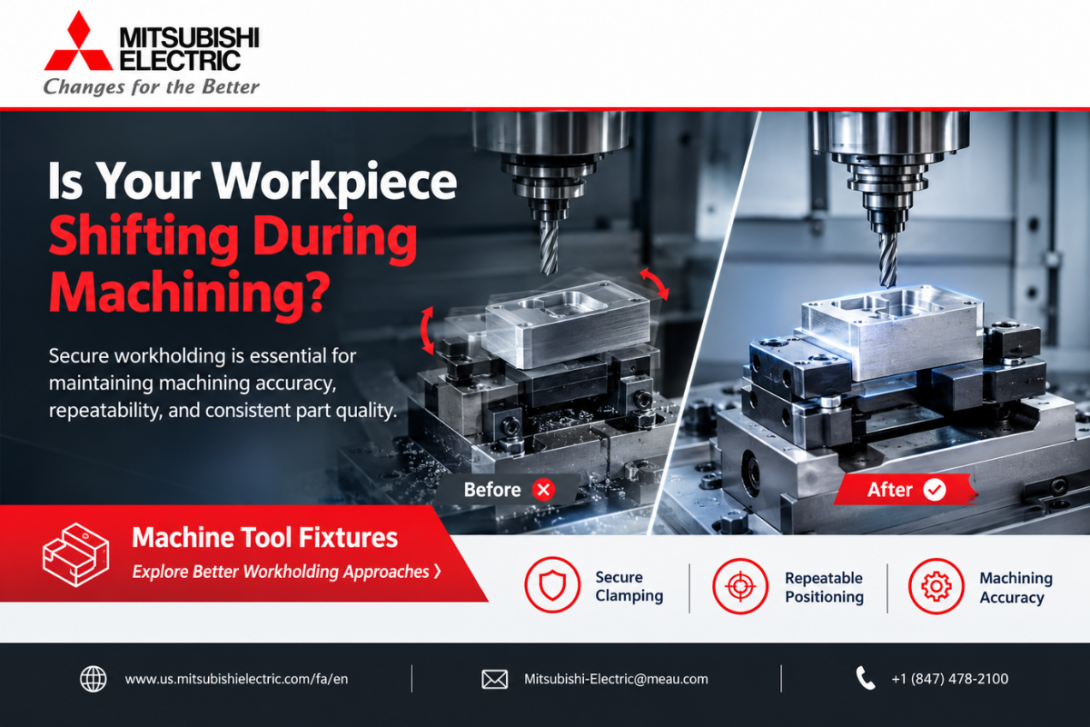
Movement of the workpiece during machining may result in much more problems than just an inaccurate cut. The workpiece may move during machining under the influence of cutting forces and vibrations. Such movements, even the slightest ones, will affect the dimensional accuracy, surface finish, location of holes and reproducibility of the manufactured product. In case of manufacturing precision parts, such inaccuracies may cause extra inspection, rework, scrap or delays in production.
Selecting the appropriate machine tool fixtures may be viewed as an essential step in creating the stable process of machining. It is necessary for the fixture to keep the workpiece in place but at the same time to locate the workpiece correctly each time during machining cycle. Such machine tool fixture must consider the geometry and size of the workpiece, machining forces, accessibility of cutting tools and number of machining operations per cycle.
Another aspect that should be taken into account by manufacturers in their considerations is the changeability of the parts. If a workholding fixture is used for only one high-volume component production, it will not be appropriate in cases where different configurations of the parts are produced. In these situations, workholding flexibility is able to assist in reducing the efforts in setups and providing positioning at the same time.
Another case where fixture integration is necessary is the situation when machining is automated, and robot or some other loading device places the part into the machine. It means that the fixture should have a clear location for the part.
While choosing the fixture for a certain part manufacturing, manufacturers should consider the geometry of the workpiece, clamping needs, repeatability, accessibility, changeover frequency and compatibility with the machine tool.
The purpose of using a workholding fixture is not only in holding the part but establishing a solid base for machining.