

Hair loss in women is a common issue that can be caused by various factors, including genetics, hormonal changes, and medical conditions. Fortunately, many clinics in Riyadh offer specialized hair transplant in riyadh and hair restoration services tailored to women's needs.
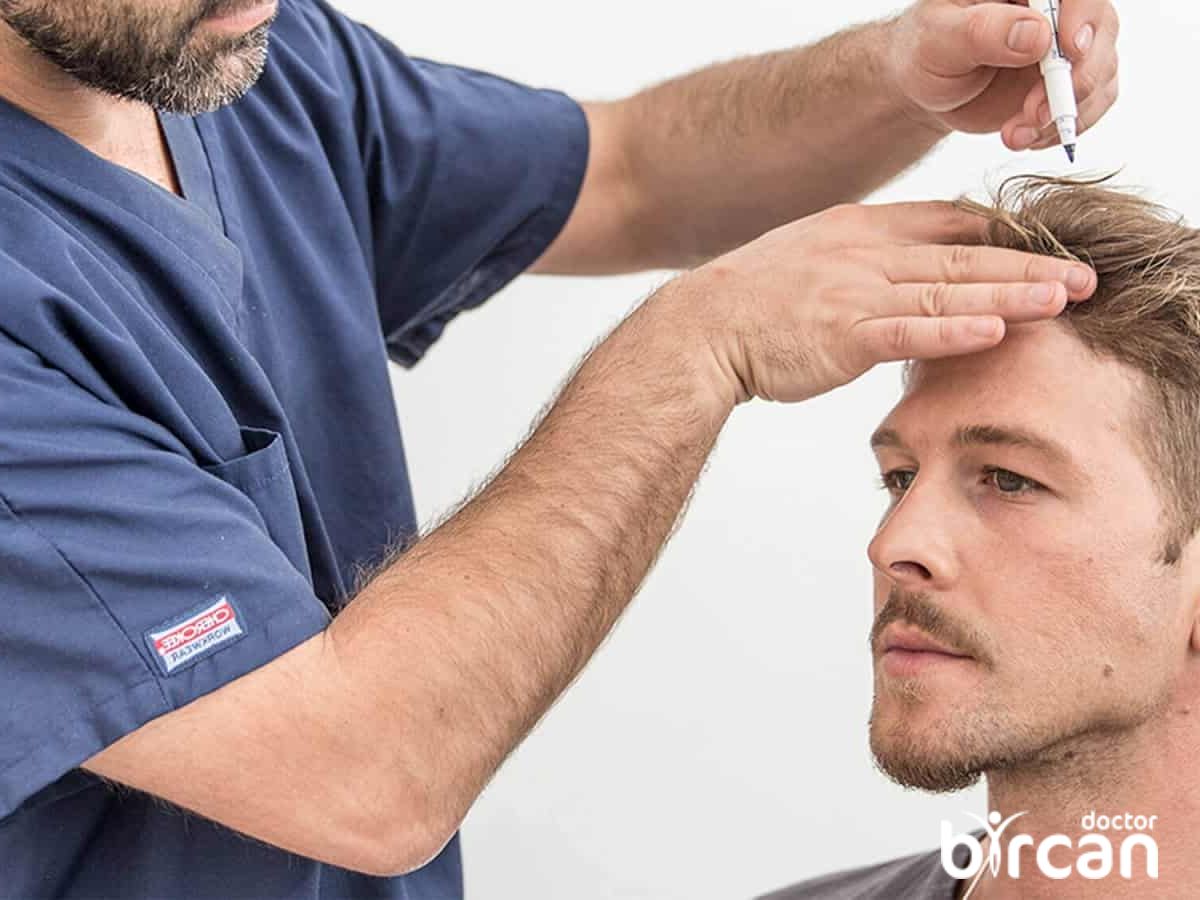
Understanding Female Hair Loss and Treatment Options
Unlike male pattern baldness, which often presents as a receding hairline or a bald spot on the crown, female hair loss (known as female pattern baldness or androgenetic alopecia) typically involves a general thinning of hair across the scalp. This distinction is crucial because it influences the choice of treatment.
For women, a hair transplant is often a suitable option for:
- Female pattern baldness: This is the most common cause of hair loss in women. If the donor area at the back and sides of the head is stable and resistant to hair loss, a transplant can effectively increase hair density in the thinning areas.
- Traction alopecia: This type of hair loss is caused by tight hairstyles that pull on the hair follicles. A transplant can restore hair in areas where the follicles have been permanently damaged.
- Scar repair: Hair transplants can be used to camouflage scars from injuries or previous surgeries.
- Hairline lowering: Some women may seek a hair transplant to lower their hairline and improve facial harmony.
Hair Transplant Techniques for Women
The same techniques used for men—Follicular Unit Extraction (FUE) and Follicular Unit Transplantation (FUT)—are also used for women. However, the approach is often adapted to minimize aesthetic disruption.
- FUE (Follicular Unit Extraction): This is a popular option for women as it is minimally invasive and leaves no linear scar. The surgeon extracts individual hair follicles and implants them into the recipient area. A key advantage for women is the possibility of a "long-hair FUE," where the donor area is not completely shaved, allowing the surrounding hair to conceal the extraction sites.
- FUT (Follicular Unit Transplantation): This method involves removing a strip of skin from the donor area. While it leaves a linear scar, it can be easily hidden under longer hair. FUT is often a good choice for women who need a large number of grafts and want to avoid shaving the donor area.
Non-Surgical Alternatives
For women who are not ideal candidates for a hair transplant, or for those in the early stages of hair loss, a clinic in Riyadh may offer non-surgical options:
- Platelet-Rich Plasma (PRP) Therapy: This treatment involves drawing the patient's blood, processing it to concentrate the platelets and growth factors, and then injecting it into the scalp to stimulate hair growth. It is often used to thicken existing hair and can be combined with a hair transplant.
- Low-Level Laser Therapy (LLLT): This non-invasive treatment uses a laser to stimulate hair follicles, improve blood circulation in the scalp, and encourage hair growth.
- Topical and Oral Medications: Medications like Minoxidil (Rogaine) are FDA-approved for treating hair loss in women and can be prescribed by a dermatologist.
Choosing the Right Clinic in Riyadh
When seeking a hair transplant as a woman in Riyadh, it is especially important to choose a clinic with a track record of successful female procedures. Here's what to look for:
- Specialized Experience: Find a surgeon who has specific expertise in treating female hair loss, as it requires a different approach than male hair loss.
- Comprehensive Consultation: A reputable clinic will conduct a thorough consultation to determine the cause of your hair loss, assess your donor and recipient areas, and discuss realistic expectations.
- Before and After Photos: Ask to see a portfolio of female hair transplant patients to evaluate the clinic's results. Look for natural-looking hairlines and density.
- Discussion of Non-Surgical Options: A good clinic will also inform you about all available options, including non-surgical treatments,