

Undergoing any surgical procedure, including a hair transplant in riyadh, naturally raises questions about safety. In Riyadh, the safety of hair transplant procedures is generally considered to be high, primarily due to the city's commitment to advancing its healthcare sector, the presence of well-equipped clinics, and the expertise of its medical professionals. However, as with any medical intervention, understanding the factors that contribute to safety and recognizing potential risks is crucial for prospective patients.
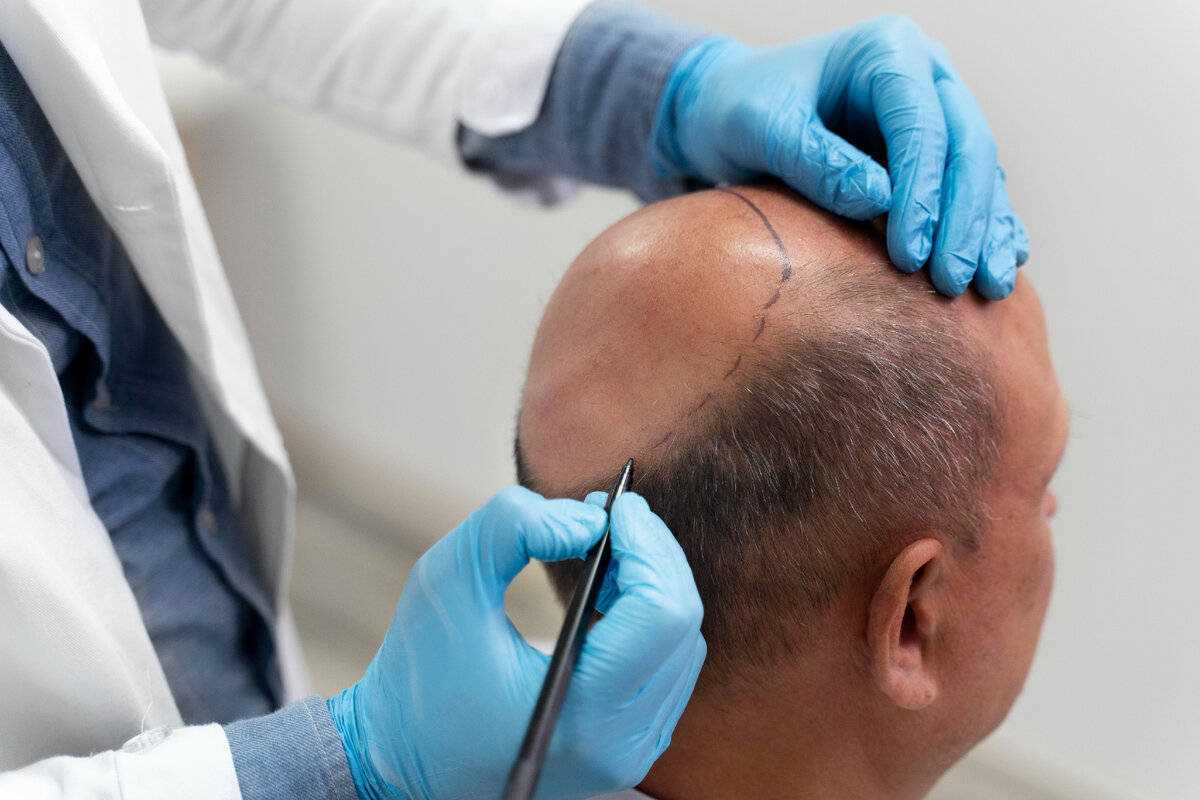
Factors Contributing to Safety in Riyadh
- Modern Healthcare Infrastructure: Riyadh has invested significantly in its medical facilities, with many clinics and hospitals adhering to international standards. These establishments are often equipped with state-of-the-art technology for hair extraction and implantation, ensuring precision and reducing the risk of complications. The sterile environments and advanced equipment found in reputable Riyadh clinics contribute significantly to patient safety.
- Qualified and Experienced Surgeons: The presence of highly skilled and often internationally trained hair transplant surgeons is a major safety assurance in Riyadh. Many surgeons practicing in the city have extensive experience in performing both FUE and FUT procedures, possessing the anatomical knowledge and technical expertise required to minimize risks and achieve optimal outcomes. Their experience is key in managing potential complications effectively.
- Strict Local Regulations and Oversight: The Saudi Arabian Ministry of Health (MOH) regulates medical practices within the Kingdom. Reputable clinics and medical practitioners must adhere to specific licensing and accreditation requirements, ensuring a baseline of quality and safety. While patients should always verify credentials, the regulatory framework provides a layer of protection against unqualified practitioners and substandard facilities.
- Emphasis on Patient Consultation and Pre-operative Assessment: Before any hair transplant procedure in Riyadh, a thorough consultation is mandatory. During this phase, the surgeon assesses the patient's overall health, medical history, and suitability for the procedure. Blood tests and other diagnostic checks are routinely performed to rule out any underlying conditions that could increase surgical risks. This rigorous pre-operative screening is vital for identifying and mitigating potential issues.
- Local Anesthesia: Hair transplant procedures in Riyadh are almost always performed under local anesthesia. This significantly reduces the risks associated with general anesthesia, making the procedure safer for most individuals. Patients remain awake and comfortable throughout the process, further enhancing safety by allowing for communication with the medical team.
Potential Risks and How They Are Managed
While hair transplants are generally safe, minor and temporary side effects are common, and serious complications are rare, especially in well-regulated environments. Common risks include:
- Swelling and Redness: This is almost universal and typically subsides within a few days to a week. Clinics provide post-operative instructions and sometimes medication to manage these symptoms.
- Mild Pain or Discomfort: The donor and recipient areas might feel sore or tender. This is usually managed with over-the-counter pain relievers or mild prescription medication.
- Itching: The scalp can become itchy during the healing process. Patients are advised to avoid scratching to prevent dislodging grafts or causing infection.
- Numbness: Temporary numbness in the treated areas is common due to nerve manipulation during the procedure. Sensation usually returns within weeks or a few months.
- Shock Loss: This refers to the temporary shedding of transplanted and sometimes existing hairs in the weeks following the procedure. It's a normal part of the process and new hair typically grows back.
- Infection: While rare, infection is a risk with any surgical procedure. Reputable clinics in Riyadh maintain strict sterilization protocols, and patients are given antibiotics and clear instructions on post-operative hygiene to minimize this risk.
- Folliculitis: Inflammation of the hair follicles can occur, often appearing as small pimples. This is usually treatable with warm compresses or topical antibiotics.
- Scarring: FUE leaves tiny, dot-like scars, while FUT leaves a linear scar. The skill of the surgeon in Riyadh is crucial in minimizing the visibility of these scars.
Ensuring Your Safety: What Patients Should Do
To ensure the safest possible hair transplant experience in Riyadh, prospective patients should:
- Choose a Reputable Clinic: Research clinics thoroughly. Look for those with positive patient reviews, clear certifications, and a transparent approach to their procedures and pricing.
- Verify Surgeon's Credentials: Confirm that the surgeon is board-certified, has extensive experience in hair transplantation, and is a member of relevant professional organizations. Don't hesitate to ask about their success rates and to see before-and-after photos.
- Ask Detailed Questions During Consultation: Clarify every aspect of the procedure, including potential risks, recovery, and aftercare. A good clinic will welcome your questions and provide clear, comprehensive answers.
- Disclose Full Medical History: Be completely honest about your medical history, any existing conditions, allergies, and medications you are taking. This information is vital for the medical team to assess your suitability and plan your procedure safely.
- Follow Pre- and Post-Operative Instructions: Adhering strictly to the clinic's guidelines regarding pre-operative preparations (e.g., avoiding certain medications, smoking, alcohol) and post-operative care (e.g., washing instructions, activity restrictions) is paramount for a safe procedure and optimal results.
In conclusion, hair transplant procedures in Riyadh are generally safe and effective, thanks to the city's modern medical infrastructure, skilled professionals, and regulatory oversight. By choosing a reputable clinic and following all professional advice, patients can significantly minimize risks and achieve their desired hair restoration outcomes with confidence.