

Understanding the cost of a hair transplant cost in Riyadh is best achieved by breaking down the various components that contribute to the final price. This transparency helps potential patients evaluate different clinics and packages effectively.
Core Procedure Cost
The fundamental element of the hair transplant cost is the surgical procedure itself, primarily driven by the number of grafts and the technique used.
- Graft Count: This is the most significant factor. Clinics typically price based on the estimated number of follicular units (grafts) needed to cover the bald or thinning areas. A "graft" usually contains 1 to 4 hair follicles.
- Small sessions (e.g., 1000-1500 grafts): Often for hairline refinement or small areas of thinning. These are at the lower end of the cost spectrum.
- Medium sessions (e.g., 2000-3000 grafts): Common for moderate hair loss, covering a larger portion of the scalp.
- Large sessions (e.g., 3500-4500+ grafts): Required for extensive baldness, providing comprehensive coverage.
- While some clinics might quote a "per graft" price (e.g., SAR 2-3 per graft in some cities like Jeddah, though less common as a primary quote in Riyadh for total procedures), it's more common to see package deals for specific graft ranges in Riyadh.
- Hair Transplant Technique: The method employed significantly impacts the cost due to varying levels of labor, precision, and technology.
- FUE (Follicular Unit Extraction): Generally the most popular and often the most expensive method. It involves extracting individual follicular units, resulting in minimal scarring and quicker recovery.
- DHI (Direct Hair Implantation): A refinement of FUE that uses a special implanter pen. It can offer greater control over depth, angle, and direction, leading to denser, more natural results, and is often priced at a premium.
- Sapphire FUE: Utilizes sapphire blades for creating incisions, which can lead to more precise, denser graft placement and potentially faster healing. It usually falls into a similar price bracket as advanced FUE or DHI.
- FUT (Follicular Unit Transplantation): Less common now for primary procedures due to the linear scar it leaves, but can be more cost-effective for very large sessions. If offered, it's typically cheaper than FUE.
Surgeon's Fee and Clinic Overheads
These elements are critical but often less explicitly itemized for the patient.
- Surgeon's Expertise and Reputation: Highly experienced, board-certified surgeons with a strong track record of successful, natural-looking results will command higher fees. This reflects their skill, artistry, and the years of specialized training they've undergone.
- Clinic's Facilities and Technology: State-of-the-art clinics with advanced equipment, sterile operating rooms, and modern patient amenities have higher operational costs, which are reflected in their pricing. Clinics that invest in the latest hair restoration technologies (e.g., robotic systems, advanced imaging for donor area assessment) may have higher fees.
- Medical Team's Support: The size and experience of the supporting medical team (technicians, nurses assisting the surgeon) also contribute to the overall cost. A larger, more skilled team can ensure efficiency and quality during the long procedure.
Inclusions in the Package
Many Riyadh clinics offer comprehensive packages rather than just the surgical fee. Understanding these inclusions is vital for a true cost comparison.
- Pre-operative Consultations and Tests: This typically includes a detailed scalp analysis, health assessment, and necessary blood tests (e.g., for general health, clotting factors) to ensure the patient is a suitable candidate.
- Anesthesia: Local anesthesia is standard for hair transplant procedures, and its cost is usually bundled into the total.
- Medications: This covers post-operative pain relievers, antibiotics to prevent infection, and sometimes anti-inflammatory drugs to reduce swelling.
- Post-operative Care Kit: Patients are often provided with specialized shampoos, lotions, and detailed instructions for caring for the transplanted and donor areas.
- Follow-up Appointments: Several follow-up visits are crucial to monitor healing, graft survival, and initial growth. These are typically included in the package.
- Adjunctive Therapies: Many clinics include additional treatments aimed at enhancing results and accelerating recovery:
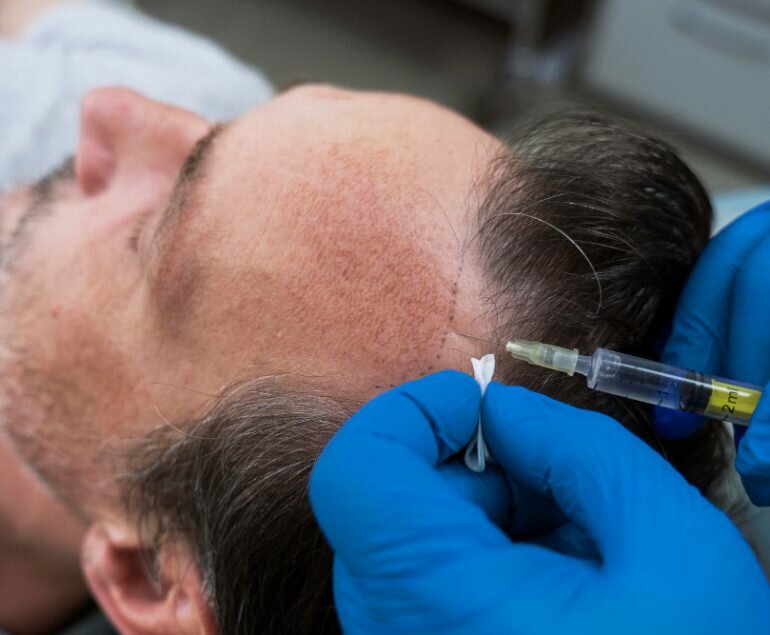
- PRP (Platelet-Rich Plasma) Sessions: PRP involves drawing a small amount of the patient's blood, processing it to concentrate platelets (rich in growth factors), and then injecting it into the scalp. It's believed to stimulate hair growth and improve graft survival. Clinics might include 1-3 sessions, or more depending on the package. A single PRP session in Riyadh can cost anywhere from SAR 700 to SAR 3,000 if purchased separately.
- Laser Hair Regrowth Sessions: Low-level laser therapy (LLLT) is sometimes offered to stimulate follicles and improve overall hair health.
Potential Hidden or Additional Costs
While many clinics in Riyadh strive for transparent pricing, it's essential to clarify the following:
- VAT (Value Added Tax): Saudi Arabia has a 15% VAT. Always confirm if the quoted price includes VAT or if it will be added on top.
- Medications Not Included: While common post-op meds are often included, any long-term or specialized medications might be extra.
- Travel and Accommodation: For patients traveling from outside Riyadh, these costs are naturally separate.
- Revision Procedures: In rare cases, a small touch-up or revision might be needed. Clarify if this would be covered under any warranty or if it's an additional charge.
- Hair Care Products: Beyond the initial post-op kit, any recommended long-term hair care products are usually an extra expense.
By thoroughly discussing each of these breakdown components with clinics in Riyadh, patients can gain a clear and accurate understanding of the total investment required for their hair transplant, enabling them to make an informed decision.