

Getting a hair transplant cost in Riyadh is a significant decision, and understanding both the cost and the process involved is crucial. While it can be a more expensive option compared to some other countries, Riyadh offers high-quality medical facilities and experienced surgeons.
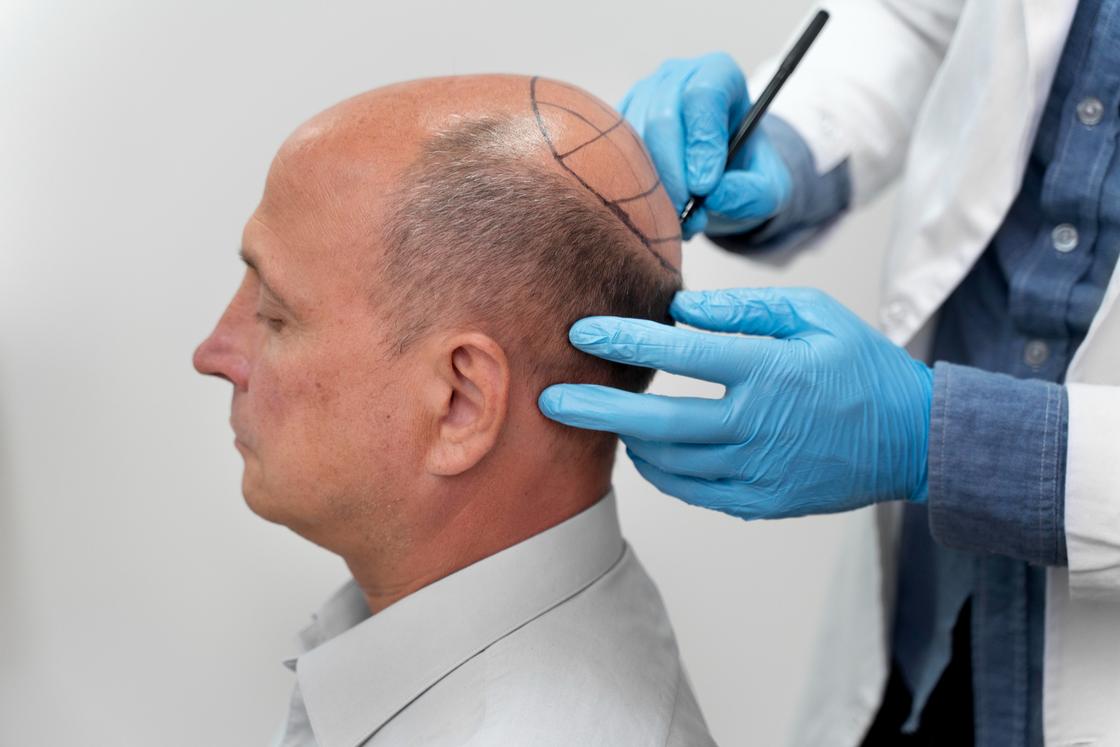
Hair Transplant Cost in Riyadh
The cost of a hair transplant in Riyadh is highly variable and depends on several key factors:
- Number of Grafts: This is the most significant determinant. The more hair follicles (grafts) you need to cover the balding or thinning areas, the higher the cost will be.
- Type of Procedure:
- FUE (Follicular Unit Extraction): This is the most common and generally preferred method due to its minimally invasive nature and no linear scarring. It often costs more than FUT.
- FUT (Follicular Unit Transplantation): This involves removing a strip of scalp, from which follicles are harvested. It's typically less expensive but leaves a linear scar.
- DHI (Direct Hair Implantation): A variation of FUE, it uses a specialized implanter pen for direct implantation, often leading to higher density and quicker healing. It can be more expensive.
- Clinic Reputation and Surgeon's Experience: Highly reputable clinics with state-of-the-art facilities and experienced, board-certified surgeons will charge more for their expertise and the quality of care.
- Included Services: Packages often include:
- Initial consultation and assessment.
- The surgical procedure itself.
- Local anesthesia.
- Post-operative medications (painkillers, antibiotics).
- Follow-up appointments.
- Additional treatments like PRP (Platelet-Rich Plasma) sessions or laser hair regrowth therapy, which can increase the overall price.
- Extent of Hair Loss: More advanced hair loss requires more grafts and a more complex procedure, leading to higher costs.
- Area of Transplant: While most procedures are for the scalp, beard, mustache, or eyebrow transplants also have different pricing structures.
General Cost Ranges (in SAR - Saudi Riyals):
Based on current information, you can expect the overall cost of a hair transplant in Riyadh to range from approximately SAR 4,999 to SAR 30,000 or more.
Here's a more detailed breakdown by graft count (for FUE, which is often the most requested):
- 1000 Grafts: SAR 4,999 - SAR 7,999
- 1500 Grafts: SAR 7,499 - SAR 11,999
- 2000 Grafts: SAR 9,999 - SAR 15,999
- 2500 Grafts: SAR 12,499 - SAR 19,999
- 3000+ Grafts: SAR 14,999 - SAR 23,999 or higher (up to SAR 31,999 or more for 4000+ grafts).
Some clinics offer special packages that might include a specific range of grafts with added services like PRP sessions. For example, 2500-3500 grafts with blood tests, 3 PRP sessions, and 6 laser hair regrowth sessions might start around SAR 7,999 + VAT.
Comparison: Riyadh's prices are generally higher than those in popular hair transplant destinations like Turkey (where costs can range from $2,500 to $7,500 USD), but comparable to, or sometimes lower than, other Western countries.
What to Expect During and After a Hair Transplant in Riyadh
A hair transplant is typically an outpatient procedure performed under local anesthesia. Here's a general timeline of what to expect:
Before the Procedure:
- Consultation: A thorough consultation with a hair transplant surgeon is essential. They will assess your hair loss pattern, scalp health, donor area suitability, discuss your goals, and recommend the best technique and number of grafts.
- Pre-care Instructions: You'll receive instructions, which may include avoiding blood-thinning medications (like aspirin), alcohol, and smoking for a period before the surgery. You might also be asked to wash your hair thoroughly on the day of the procedure.
During the Procedure (typically 4-8 hours):
- Preparation: Your scalp will be cleansed, and local anesthesia will be administered to both the donor and recipient areas, making the process virtually painless.
- Donor Hair Extraction:
- FUE: Individual follicular units (groups of 1-4 hairs) are extracted directly from the donor area (usually the back or sides of the head) using a specialized micro-punch tool. This leaves tiny, nearly invisible dot-like scars.
- FUT: A strip of skin containing hair follicles is surgically removed from the donor area. This strip is then dissected into individual grafts. This leaves a linear scar that can be hidden by longer hair.
- Graft Preparation: The extracted or dissected follicular units are meticulously prepared and sorted under a microscope. They are kept in a special solution to maintain their viability.
- Recipient Site Creation: The surgeon creates tiny incisions (slits or holes) in the recipient area where the hair will be transplanted. The angle, direction, and depth of these incisions are crucial for achieving a natural-looking result.
- Follicle Implantation: Each prepared follicular unit is carefully implanted into the recipient sites using specialized tools (like forceps or DHI implanter pens).
After the Procedure (Recovery and Results):
- Immediate Post-Op (Day 1-7):
- You can usually go home the same day.
- The donor and recipient areas will likely have some redness, swelling, and mild discomfort, which can be managed with prescribed painkillers.
- Small scabs will form around the transplanted grafts.
- You'll receive specific instructions on how to care for your scalp, including gentle washing techniques and avoiding touching or scratching the transplanted area.
- You may need to wear a protective hat or headband.
- Avoid strenuous activity, heavy lifting, and direct sun exposure.
- Weeks 2-4 (Shedding Phase):
- It's normal for the transplanted hair to shed (fall out) during this period. This is called "shock loss" and is a normal part of the process. The follicles remain in place.
- The donor area should be largely healed, with minimal discomfort.
- Months 1-3 (Dormant Phase & Initial Growth):
- The transplanted follicles enter a resting phase.
- New, fine hairs will begin to emerge from the transplanted follicles, though they may be sparse and wispy at first.
- Months 4-6 (Noticeable Growth):
- Hair growth becomes more visible, and the texture and thickness of the new hair will gradually improve. You'll start to see a noticeable difference in density.
- Months 6-12 (Significant Growth & Thickening):
- The transplanted hair continues to grow, thicken, and mature. It will blend more seamlessly with your existing hair.
- Months 12-18 (Final Results):
- By this time, most patients see the full, final results of their hair transplant. The transplanted hair should be at its full length and thickness, mimicking natural hair growth.
Success Rates:
Hair transplant success rates are generally very high, often cited as 85-95% graft survival rate or even higher in reputable clinics. The success largely depends on the surgeon's skill, the quality of the grafts, and proper post-operative care.
Important Note: Always choose a reputable clinic with experienced, certified surgeons. Read patient reviews and ask for before-and-after photos during your consultation to set realistic expectations and ensure the best possible outcome for your investment.