

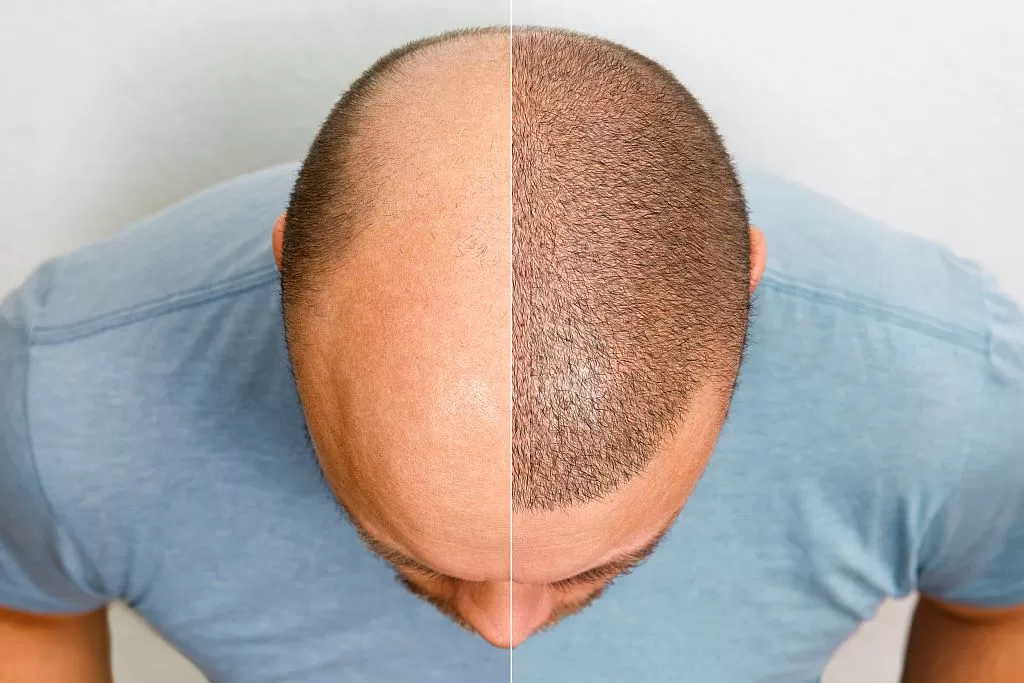
Undergoing a hair transplant in Riyadh is a significant step towards restoring your confidence and achieving a fuller head of hair. However, the success of the procedure heavily relies on meticulous post-operative care during the recovery period. Adhering to your surgeon's instructions and understanding the various stages of healing are crucial for optimal results.
Immediate Post-Surgery (Days 1-3)
The first few days after your hair transplant are the most critical for graft survival. Your scalp will be sensitive, and you may experience:
- Swelling: It's very common to have swelling in the forehead and around the eyes. This is a natural reaction to the local anesthesia and the procedure itself. It typically peaks on day 3-4 and subsides within a week.
- Management: Keep your head elevated, even while sleeping, by using 2-3 pillows or sleeping in a recliner. Apply cold compresses to your forehead (avoiding the grafted area) to help reduce swelling. Limit salt intake and stay well-hydrated to help flush out excess fluids.
- Redness and Tenderness: The donor and recipient areas will appear red and may feel tender.
- Scabbing: Small scabs will form around each transplanted graft. These are essentially dried blood and tissue, acting as protective covers for the delicate follicles. DO NOT pick or scratch these scabs as this can dislodge the grafts and lead to infection.
- Mild Discomfort/Pain: Your surgeon will prescribe pain medication to manage any discomfort.
- Bandage Removal: Your initial bandage will likely be removed within 24-48 hours. Your clinic in Riyadh might offer a first hair wash service.
Important Don'ts:
- Avoid Touching/Scratching: Resist the urge to touch, rub, or scratch your scalp, especially the grafted area.
- No Alcohol or Smoking: Abstain from alcohol for at least 3-7 days as it can thin the blood and affect healing. Avoid smoking for at least two weeks (ideally longer) as nicotine hinders blood flow and oxygen supply, which is vital for graft survival.
- Limit Strenuous Activity: Avoid any heavy lifting, bending over, or strenuous exercise that could increase blood pressure to the head and risk dislodging grafts.
- Direct Sunlight: Stay out of direct sunlight for at least a week, and ideally longer, to protect the delicate grafts from UV damage.
- No Hats/Helmets (initially): Avoid wearing tight hats or helmets that could put pressure on the transplanted area. Your clinic will advise when it's safe to wear a loose-fitting cap.
Early Recovery Phase (Days 4-14)
This phase focuses on gentle washing and continued protection.
- Gentle Washing: Your clinic will provide specific instructions and a special shampoo and foam/lotion for washing your hair. Typically, you can begin gentle washing from day 3-5.
- Method: Apply the foam/lotion to the transplanted and donor areas, leaving it for 15-30 minutes to soften scabs. Then, gently rinse with lukewarm water, avoiding direct, strong water pressure. Lather the prescribed shampoo in your hands and gently pat it onto the scalp. Rinse thoroughly but gently, ensuring no residue remains. Pat your hair dry with a soft paper towel or let it air dry. Do not rub.
- Scab Removal: Continue gentle washing daily. The scabs should begin to soften and fall off naturally within 7-14 days. It is crucial for scabs to clear away to allow new hair growth. However, if scabs persist beyond two weeks, consult your clinic. Never pick them off.
- Reduced Swelling and Redness: By the end of this period, most swelling should have subsided, and redness will significantly decrease.
- Donor Area Healing: The donor area will continue to heal. If you had FUT, stitches are usually removed around days 7-10.
- Sleep Position: Continue to sleep with your head elevated.
Shedding Phase (Weeks 2-8)
This stage can be alarming but is a normal and expected part of the recovery.
- Shock Loss: The transplanted hair shafts will begin to shed, typically between 2-8 weeks post-op. This is known as "shock loss" and is a temporary process. The hair follicles themselves remain intact beneath the scalp and will begin to grow new hair in the coming months.
- Patience is Key: Understand that this shedding is not a sign of failure. It's a natural part of the hair cycle resetting due to the trauma of transplantation.
Early Growth Phase (Months 3-6)
- New Hair Growth: Around 3-4 months post-op, new hair will begin to emerge from the transplanted follicles. Initially, these hairs may be thin, fine, and even colorless.
- Texture and Thickness: Over time, these new hairs will gradually thicken, gain color, and blend with your existing hair.
- Continued Care: Continue using gentle shampoos and prescribed topical treatments (like Minoxidil or Finasteride, if recommended by your surgeon) to support growth and maintain existing hair. Avoid harsh chemicals, excessive heat styling, or abrasive hair products.
- Exercise: You can gradually reintroduce light exercise, but avoid high-impact activities for at least a month.
Significant Growth and Maturation (Months 6-12+)
- Noticeable Improvement: By 6 months, you should see a significant improvement in density and coverage. The transplanted hair will be noticeably thicker and longer.
- Fuller Results: From 6-12 months, the hair will continue to mature, thicken, and blend seamlessly with your natural hair.
- Final Results: The final results are typically evident around 12-18 months after the procedure, when all transplanted hair has fully grown and matured.
General Tips for a Smooth Recovery
- Follow Doctor's Instructions: This is the most crucial advice. Your Riyadh clinic will provide detailed, personalized post-operative instructions. Adhere to them diligently.
- Hydration and Nutrition: Drink plenty of water and maintain a healthy, balanced diet rich in vitamins and proteins to support healing and hair growth. Biotin supplements are often recommended.
- Protect from Sun: Continue to protect your scalp from direct sun exposure with a loose hat or umbrella, especially during the first few months.
- Be Patient: Hair transplant recovery and growth are a marathon, not a sprint. The full results take time to manifest.
- Communicate with Your Clinic: If you experience excessive swelling, prolonged redness, pus, unusual pain, or any signs of infection, contact your surgeon in Riyadh immediately.
By carefully following these guidelines, you can ensure a smooth recovery process and maximize the success of your hair transplant, leading to the confident, natural-looking results you desire.