

Riyadh, the vibrant capital of Saudi Arabia, has become a prominent hub for cosmetic surgery, including tummy tuck in riyadh (abdominoplasty). Many individuals in Riyadh seek this procedure to achieve a flatter, firmer, and more contoured abdominal profile, especially after significant weight loss or pregnancy.
This comprehensive guide will walk you through what to expect from a tummy tuck in Riyadh.
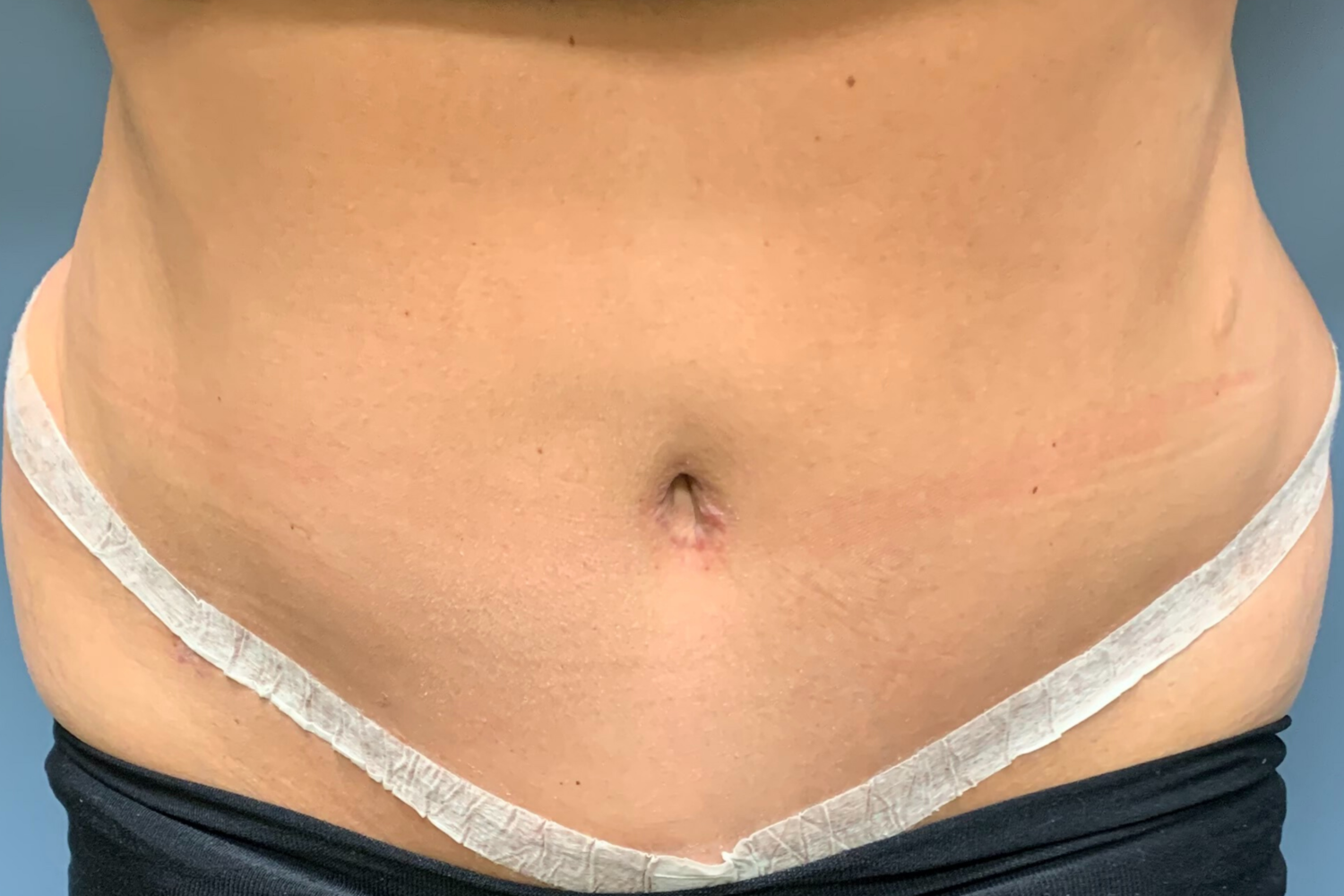
What is a Tummy Tuck?
A tummy tuck is a surgical procedure designed to:
- Remove excess skin and fat from the abdominal area.
- Tighten weakened or separated abdominal muscles (a condition called diastasis recti), which often occurs after pregnancy or substantial weight changes.
- Improve the overall contour and shape of the midsection.
It's important to note that a tummy tuck is not a weight-loss solution. Ideal candidates are those who are at or near their ideal stable weight but struggle with loose skin and muscle laxity that diet and exercise alone cannot address.
Types of Tummy Tucks
Plastic surgeons in Riyadh offer various types of tummy tucks, tailored to individual needs:
- Full Abdominoplasty (Traditional Tummy Tuck): This is the most common type, addressing significant skin laxity and muscle separation across the entire abdomen, both above and below the navel. It involves a horizontal incision from hip to hip and an incision around the navel.
- Mini Abdominoplasty: A less extensive procedure, focusing primarily on excess skin and fat in the lower abdomen, below the belly button. It involves a shorter incision and may or may not include muscle tightening.
- Extended Abdominoplasty: This type is for patients with significant skin laxity extending to the flanks (love handles) and possibly the lower back. It involves a longer incision that wraps around the sides.
- Circumferential Abdominoplasty (Body Lift): Often performed after massive weight loss, this is the most extensive procedure, addressing excess skin and fat around the entire midsection, including the abdomen, flanks, lower back, and buttocks. It involves an incision that goes around the entire circumference of the body.
- Lipo-Abdominoplasty: This combines traditional abdominoplasty with liposuction to achieve more comprehensive fat removal and contouring.
Who is a Good Candidate?
You might be a good candidate for a tummy tuck in Riyadh if you:
- Are in good general health and do not have medical conditions that could impair healing or increase surgical risks.
- Have a stable weight and are not planning significant weight loss in the near future.
- Have realistic expectations about the outcomes of the surgery.
- Are bothered by excess, sagging abdominal skin, particularly after pregnancy or weight loss.
- Have weakened or separated abdominal muscles.
- Are a non-smoker, or are willing to quit smoking well in advance of the surgery, as smoking significantly increases complication risks and hinders healing.
The Tummy Tuck Procedure in Riyadh
The procedure typically involves:
- Consultation: Your journey begins with a thorough consultation with a board-certified plastic surgeon in Riyadh. They will assess your medical history, current health, and discuss your aesthetic goals. The surgeon will examine your abdominal area, evaluate the amount of excess skin and fat, and the degree of muscle separation. They will recommend the most suitable type of tummy tuck for you and explain the entire process, including potential risks and expected outcomes.
- Anesthesia: Tummy tucks are typically performed under general anesthesia, ensuring you are comfortable and pain-free throughout the surgery.
- Incision: The surgeon makes the necessary incisions based on the chosen tummy tuck type. For a full abdominoplasty, a horizontal incision is made just above the pubic hairline, extending from hip to hip. A second incision is made around the navel.
- Muscle Tightening: The abdominal skin and fat are lifted to expose the underlying muscles. The weakened or separated abdominal muscles are then brought together and sutured into a firmer, flatter position (rectus plication).
- Excess Skin and Fat Removal: The stretched skin and excess fat are trimmed away.
- Navel Repositioning: In a full tummy tuck, the navel is brought through a new opening and meticulously sutured into a natural-looking position.
- Closure: The remaining skin is carefully draped over the tightened muscles, and the incisions are closed with sutures. Drains may be placed temporarily to collect excess fluid.
- Compression Garment: A compression garment is applied immediately after surgery to help reduce swelling and support the newly contoured abdomen.
Recovery After a Tummy Tuck in Riyadh
Recovery is a crucial phase for optimal results. Here's a general timeline:
- Immediately After Surgery (Hospital Stay): You will likely stay in the hospital for 1-2 nights for observation and initial pain management. You'll experience discomfort, swelling, and bruising. Pain medication will be prescribed. Drains, if used, will typically remain for a few days.
- First Week: Rest is paramount. You'll need assistance with daily activities and should avoid bending, straining, or lifting heavy objects. Gentle, short walks are encouraged to promote circulation and prevent blood clots.
- 2-4 Weeks: Swelling and discomfort will gradually subside. Drains will usually be removed. You can start resuming light activities, but strenuous exercise and heavy lifting are still restricted.
- 4-6 Weeks: Significant swelling should have reduced. With your surgeon's clearance, you can gradually increase your activity level, including light exercise.
- 3-6 Months: Most of the swelling will have resolved, and you'll start to see the final results of your tummy tuck. Scarring will begin to fade and flatten.
- Full Recovery: Complete healing can take up to a year, with scars continuing to mature and soften over this period.
Key Recovery Tips:
- Wear your compression garment as instructed: This is vital for reducing swelling and supporting healing.
- Take prescribed medications: Follow your surgeon's instructions for pain management and antibiotics.
- Stay hydrated and eat a healthy diet: Good nutrition supports healing.
- Avoid smoking and alcohol: These can severely impair healing.
- Walk gently: Regular, short walks help prevent blood clots and improve circulation.
- Manage your scar: Your surgeon will provide instructions on scar care, such as massage or silicone sheets, to help them fade.
- Attend follow-up appointments: Regular check-ups with your surgeon are essential to monitor your progress.
Expected Results
A successful tummy tuck in Riyadh will lead to:
- A significantly flatter and firmer abdominal profile.
- A more defined waistline.
- Removal of excess skin and fat.
- Reduction or elimination of stretch marks on the lower abdomen.
- Improved body proportions and clothing fit.
- Enhanced self-confidence and body image.
The results are considered long-lasting, provided you maintain a stable weight and a healthy lifestyle.
Cost of a Tummy Tuck in Riyadh
The cost of a tummy tuck in Riyadh can vary widely based on several factors:
- Type of tummy tuck: A mini tummy tuck will be less expensive than a full or circumferential abdominoplasty.
- Surgeon's fees: Highly experienced and renowned surgeons may charge more.
- Anesthesia fees: Based on the duration of the surgery and the anesthesiologist's fees.
- Facility fees: The cost of using the hospital or surgical center, which can vary between private clinics and larger hospitals.
- Pre- and post-operative care: This can include consultations, follow-up appointments, and sometimes prescribed medications or compression garments.
Generally, tummy tuck costs in Riyadh can range from 7,999 SAR to 66,000 SAR (approximately $2,130 to $17,600 USD). It's crucial to get a personalized quote during your consultation.
Choosing the Best Plastic Surgeon in Riyadh
Selecting the right surgeon is paramount for a safe and successful tummy tuck. Consider these factors:
- Board Certification: Ensure the surgeon is board-certified in plastic surgery, indicating they have met rigorous standards of training and expertise.
- Experience: Look for a surgeon with extensive experience specifically in performing tummy tucks and a proven track record of successful outcomes.
- Specialization: While many plastic surgeons perform tummy tucks, some may have a particular focus or advanced training in body contouring.
- Before and After Photos: Review the surgeon's portfolio of anonymized patient photos to assess their aesthetic style and the quality of their results.
- Patient Reviews and Testimonials: Read what previous patients have to say about their experience with the surgeon and clinic.
- Clinic Accreditation and Safety Standards: Ensure the surgical facility is accredited and adheres to high safety and hygiene standards.
- Communication and Rapport: Choose a surgeon with whom you feel comfortable discussing your concerns and who provides clear, honest, and realistic expectations.
Riyadh is home to several reputable hospitals and clinics with experienced plastic surgeons, such as Dr. Soliman Fakeeh Hospital Riyadh, Riyadh Care Hospital, and various private aesthetic clinics. Do your research diligently to find the best fit for your needs.
Potential Risks and Complications
While generally safe, a tummy tuck, like any major surgery, carries potential risks:
- Anesthesia risks
- Bleeding
- Infection
- Seroma (fluid accumulation)
- Hematoma (blood clot)
- Poor wound healing or skin necrosis
- Numbness or changes in skin sensation
- Unfavorable scarring (e.g., keloids or hypertrophic scars)
- Asymmetry
- Deep vein thrombosis (DVT) and pulmonary embolism (PE) - rare but serious blood clots.
- Need for revision surgery
Your surgeon will discuss these risks in detail during your consultation, along with measures to minimize them.
A tummy tuck can be a life-changing procedure for those seeking a more defined and sculpted abdominal contour. By choosing a qualified surgeon in Riyadh and diligently following pre- and post-operative instructions, you can achieve excellent and long-lasting results