
Tire problems can develop gradually or happen unexpectedly while driving. A nail on the road, a deep pothole, incorrect tire pressure, or ordinary wear can affect tire performance. Although some issues may appear minor at first, ignoring them can compromise safety and lead to more expensive repairs.
For drivers, understanding common tire problems is an important part of responsible vehicle ownership. Knowing which symptoms require immediate attention can help prevent roadside emergencies and unnecessary tire replacements.
What Are the Most Common Tire Problems Drivers Experience?
The most common tire problems include punctures, slow air leaks, uneven tread wear, sidewall damage, and pressure-related issues. These conditions can affect traction, handling, braking, and overall driving comfort. Identifying the problem early helps determine whether the tire can be safely repaired or needs replacement.
Here are some issues drivers should understand.
1. Tire punctures
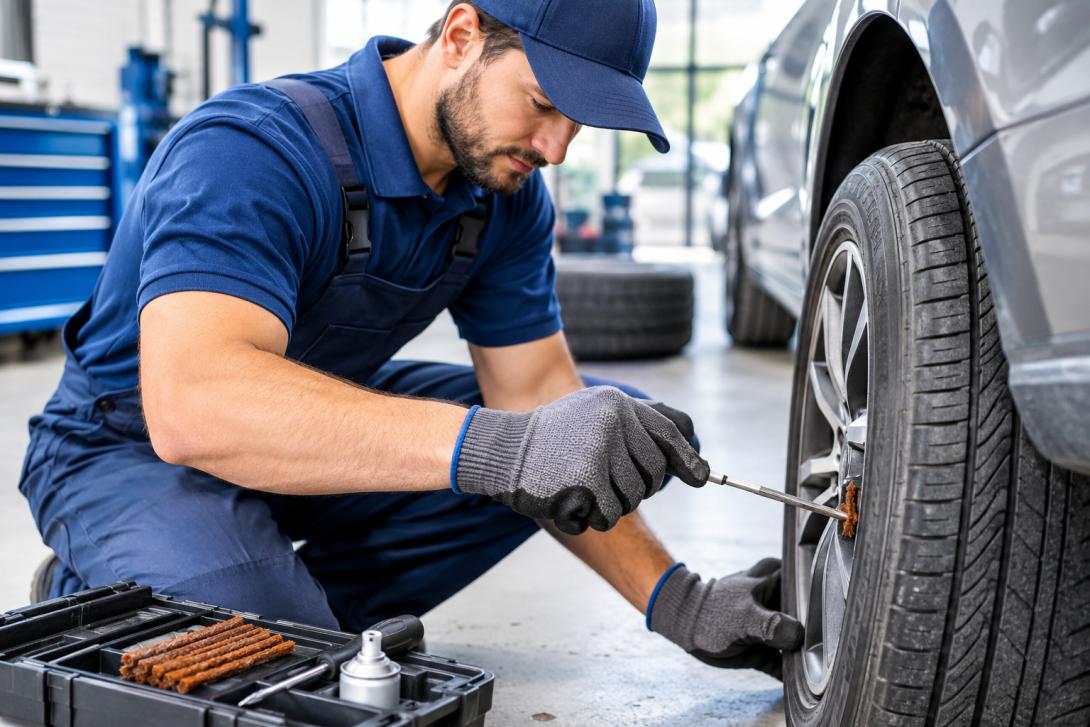
Punctures commonly occur when sharp objects such as nails, screws, or pieces of metal penetrate the tread. Small punctures in the repairable tread area may be suitable for professional repair, depending on the tire manufacturer's recommendations and industry repair standards.
2. Slow air leaks
A tire may gradually lose pressure without becoming completely flat. Common causes include damaged valve stems, loose valve cores, bead leaks, or small punctures.
3. Uneven tire wear
Uneven wear can develop when wheels are misaligned, tires are incorrectly inflated, or suspension components are worn. It may appear as excessive wear along one edge or irregular patches across the tread.
4. Sidewall damage
Cuts, cracks, bulges, and impact damage on the sidewall should never be ignored. The sidewall flexes continuously while driving, so structural damage in this area generally makes the tire unsuitable for repair.
5. Excessive tread wear
As tires wear down, their ability to maintain traction decreases. This becomes especially concerning when driving on wet roads, where insufficient tread can increase the risk of hydroplaning.
When Should I Seek Professional Tire Repair Service?
You should seek professional assistance when a tire repeatedly loses air, develops a visible puncture, shows unusual wear, or causes vibration while driving. A qualified tire repair service can inspect the tire, locate air leaks, assess internal damage, and recommend an appropriate repair or replacement.
Do not assume that every puncture can be fixed. Repair eligibility depends on several factors, including:
- The location of the puncture.
- The size of the puncturing object or resulting injury.
- The condition of the tire's internal structure.
- Whether the tire has previously been driven while underinflated.
- The tire manufacturer's repair recommendations.
Generally, punctures within the repairable tread area may qualify for a combination plug-and-patch repair after proper inspection. Sidewall and shoulder injuries typically require tire replacement.
How Can I Identify a Tire Problem Before It Gets Worse?
Your vehicle may show several signs when something is wrong with its tires. Paying attention to these changes can help you arrange an inspection before the problem affects your safety.
Look for these warning signs:
- Frequent pressure warnings: A tire may have a slow leak or damaged valve.
- Steering vibration: This could indicate wheel imbalance, tire damage, or another mechanical issue.
- Vehicle pulling: Uneven tire pressure, alignment problems, or suspension faults may cause pulling.
- Visible bulges: These can indicate internal structural damage.
- Unusual tire noise: Certain wear patterns or tire defects can create additional road noise.
- Repeated flat tires: Multiple punctures or an underlying maintenance issue may be responsible.
If a tire loses pressure rapidly or appears structurally damaged, avoid continuing to drive on it. Move to a safe place and arrange appropriate roadside assistance.
What Should You Do When a Tire Gets Punctured?
A punctured tire does not always need to be replaced. However, the correct solution depends on the puncture's location, size, and the tire's overall condition.
Follow these steps if you discover a puncture:
- Find a safe place: Avoid sudden braking and move away from traffic.
- Check the tire: Look for visible nails, screws, or other objects without removing anything embedded in the tire.
- Check air pressure: Determine whether the tire is losing air rapidly.
- Avoid unnecessary driving: Driving with insufficient pressure can damage the internal tire structure.
- Arrange an inspection: Have a professional determine whether a permanent repair is possible.
A temporary tire sealant or emergency repair kit may help in certain situations, but it should not replace a proper inspection.
How Can Drivers Prevent Common Tire Problems?
Preventive maintenance can reduce the likelihood of unexpected tire trouble. A few simple habits can make a meaningful difference:
- Check tire pressure monthly.
- Rotate tires according to manufacturer recommendations.
- Inspect tread and sidewalls regularly.
- Avoid potholes and road debris whenever possible.
- Maintain proper wheel alignment and balancing.
- Replace tires that have reached their safe service limits.
Drivers should also pay attention to the vehicle's load capacity. Carrying excessive weight can increase tire stress and contribute to premature wear.
FAQ
1. Can a tire with a nail in it be repaired?
A tire with a nail in the tread may be repairable if the puncture meets industry repair guidelines and the internal structure remains undamaged. A professional inspection is necessary.
2. Is it safe to drive with a slow tire leak?
Driving with a slow leak is not recommended without addressing the problem. Low pressure can cause overheating, poor handling, and additional tire damage.