
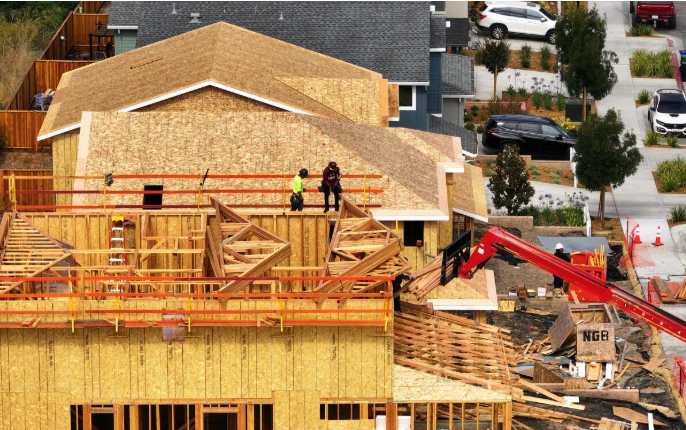
Building a home in Los Angeles can be an exciting opportunity for homeowners who want a modern and personalized living space. The city offers diverse architectural styles, beautiful neighborhoods, and strong real estate value. However, residential construction projects in this region also come with unique challenges that can affect timelines, budgets, and overall project success.
From strict building regulations to environmental conditions and labor shortages, homeowners often face obstacles that require careful planning and professional management. Understanding these common challenges in Home Construction in Los Angeles can help property owners make informed decisions and reduce unnecessary delays during the building process.
Navigating Strict Building Regulations
Los Angeles has detailed building codes and zoning laws designed to ensure safety, environmental responsibility, and structural quality. While these regulations are important, they can sometimes make the approval process more complicated for homeowners and developers.
Permit approvals may take longer than expected, especially for projects involving hillside construction, large renovations, or custom architectural designs. In some neighborhoods, homeowners may also need approval from local planning departments or homeowner associations before construction begins.
Working with experienced architects, engineers, and contractors can simplify this process. Professionals who understand local regulations can prepare accurate documentation, ensure code compliance, and reduce the risk of permit rejections or costly modifications later in the project.
Rising Material Costs and Budget Management
Construction material prices can fluctuate significantly due to supply chain issues, inflation, and increased demand. Materials such as lumber, steel, concrete, and premium finishes often experience price changes that directly impact project budgets.
Unexpected increases in material costs can place financial pressure on homeowners, especially during large-scale custom projects. Without proper planning, these changes may force adjustments to design choices or construction schedules.
Creating a realistic budget with contingency funds is one of the best ways to manage this challenge. Homeowners should also discuss material alternatives and cost-saving options with their construction team before the project begins. Early planning and transparent communication help reduce financial surprises throughout the building process.
Labor Shortages and Scheduling Delays
The construction industry in Los Angeles frequently experiences labor shortages, particularly for skilled trades such as electricians, plumbers, framers, and finish carpenters. High demand for experienced workers can lead to scheduling conflicts and longer project timelines.
Delays may occur when subcontractors are unavailable or when multiple construction projects compete for the same workforce. Weather conditions and supply chain disruptions can further increase these scheduling challenges.
Proper project management is essential for minimizing delays. Contractors who maintain strong relationships with reliable subcontractors are often better equipped to keep construction moving efficiently. Clear scheduling plans and regular communication between all parties also help prevent misunderstandings and unexpected interruptions.
Limited Space and Urban Construction Challenges
Many residential properties in Los Angeles are located in densely populated neighborhoods where available construction space is limited. Narrow lots, nearby structures, and restricted site access can make construction more complicated.
Transporting materials, operating heavy equipment, and managing parking for workers may become difficult in crowded urban areas. Noise restrictions and neighborhood regulations can also limit construction hours, affecting overall productivity.
Careful site planning is necessary to overcome these challenges. Construction teams often use detailed logistics plans to coordinate deliveries, equipment placement, and work schedules. Efficient organization helps reduce disruptions while improving safety and workflow on the construction site.
Environmental and Geological Concerns
Los Angeles is known for its varied terrain and environmental conditions, including earthquakes, wildfires, hillsides, and soil instability. These factors create additional requirements for structural engineering and safety planning.
Homes built in earthquake-prone areas must meet strict seismic safety standards to improve structural resilience. Hillside properties may require retaining walls, specialized foundations, and advanced drainage systems to prevent erosion and land movement.
Environmental regulations may also impact construction near protected zones or areas vulnerable to wildfire risk. These requirements can increase both design complexity and construction costs.
Hiring experienced engineers and conducting thorough site evaluations before construction begins are important steps for addressing environmental concerns. Proper planning helps ensure long-term durability and compliance with safety standards.
Design Changes During Construction
Homeowners sometimes request design modifications after construction has already started. While changes may seem minor, they can create significant delays and increase project costs if they affect structural elements, materials, or system installations.
Frequent changes may disrupt construction schedules, require new permits, or lead to additional labor expenses. In some cases, design revisions can also affect the availability of selected materials or fixtures.
One effective solution is to finalize design decisions before construction begins. Detailed planning, 3D renderings, and clear communication with architects and contractors help homeowners visualize the final result and reduce the likelihood of unexpected changes during the project.
Managing Communication Between Teams
Residential construction projects involve multiple professionals, including architects, contractors, engineers, designers, and subcontractors. Without proper coordination, communication gaps can lead to misunderstandings, scheduling conflicts, or construction errors.
For example, delays may occur if material orders are not communicated correctly or if design updates are not shared with all teams involved in the project. These issues can impact both quality and completion timelines.
Regular meetings and organized project management systems are essential for maintaining clear communication. Many modern construction projects also use digital platforms to track schedules, approvals, and updates in real time, helping improve efficiency and accountability.
Balancing Modern Design With Energy Efficiency
Modern homeowners in Los Angeles often want contemporary architectural designs with large windows, open spaces, and luxury features. At the same time, energy efficiency and sustainability have become major priorities in residential construction.
Balancing aesthetic goals with environmental performance can sometimes be challenging. Large glass surfaces, for example, may increase indoor heat if not properly designed with energy-efficient materials.
Using high-performance insulation, smart climate systems, energy-efficient windows, and sustainable materials can help maintain comfort while reducing environmental impact. Integrating these features early in the design process allows homeowners to achieve both visual appeal and long-term efficiency.
Protecting the Construction Timeline
Construction delays are among the most common concerns for homeowners. Permit approvals, weather conditions, labor shortages, design revisions, and supply chain disruptions can all affect project timelines.
While some delays are unavoidable, proactive planning helps minimize their impact. Setting realistic schedules, ordering materials early, and maintaining consistent communication with the construction team are effective ways to keep the project on track.
Experienced professionals involved in Home Construction in Los Angeles often develop detailed construction timelines that account for potential delays and provide homeowners with more accurate expectations throughout the process.
Conclusion
Residential construction projects in Los Angeles offer exciting opportunities for homeowners seeking personalized and modern living spaces. However, the process also involves unique challenges related to regulations, environmental conditions, labor shortages, urban limitations, and budget management.
Understanding these obstacles and preparing for them in advance can make the construction experience more organized and less stressful. Careful planning, strong communication, and experienced project management play essential roles in achieving successful results.
With the right approach, homeowners can overcome common construction difficulties and create high-quality homes that provide comfort, functionality, and long-term value.
FAQs
Why is construction permitting challenging in Los Angeles?
Los Angeles has strict zoning laws and building regulations that require detailed approvals and inspections before construction can begin.
How can homeowners avoid budget overruns during construction?
Creating a detailed budget, including contingency funds, and discussing material options early in the project can help manage unexpected costs.
What causes delays in residential construction projects?
Common causes include labor shortages, permit approvals, material supply issues, weather conditions, and design changes during construction.
Are earthquake regulations important in Los Angeles home construction?
Yes, homes in Los Angeles must follow seismic safety standards to improve structural strength and reduce earthquake-related risks.
How can communication problems affect construction projects?
Poor communication can lead to scheduling conflicts, construction mistakes, delays, and increased costs if important updates are not shared properly.