

Proper before and aftercare are crucial for optimizing the results of your Botox injetion in Riyadh emphasize these guidelines to ensure a safe and effective experience.
Here's a comprehensive guide to Botox before and aftercare:
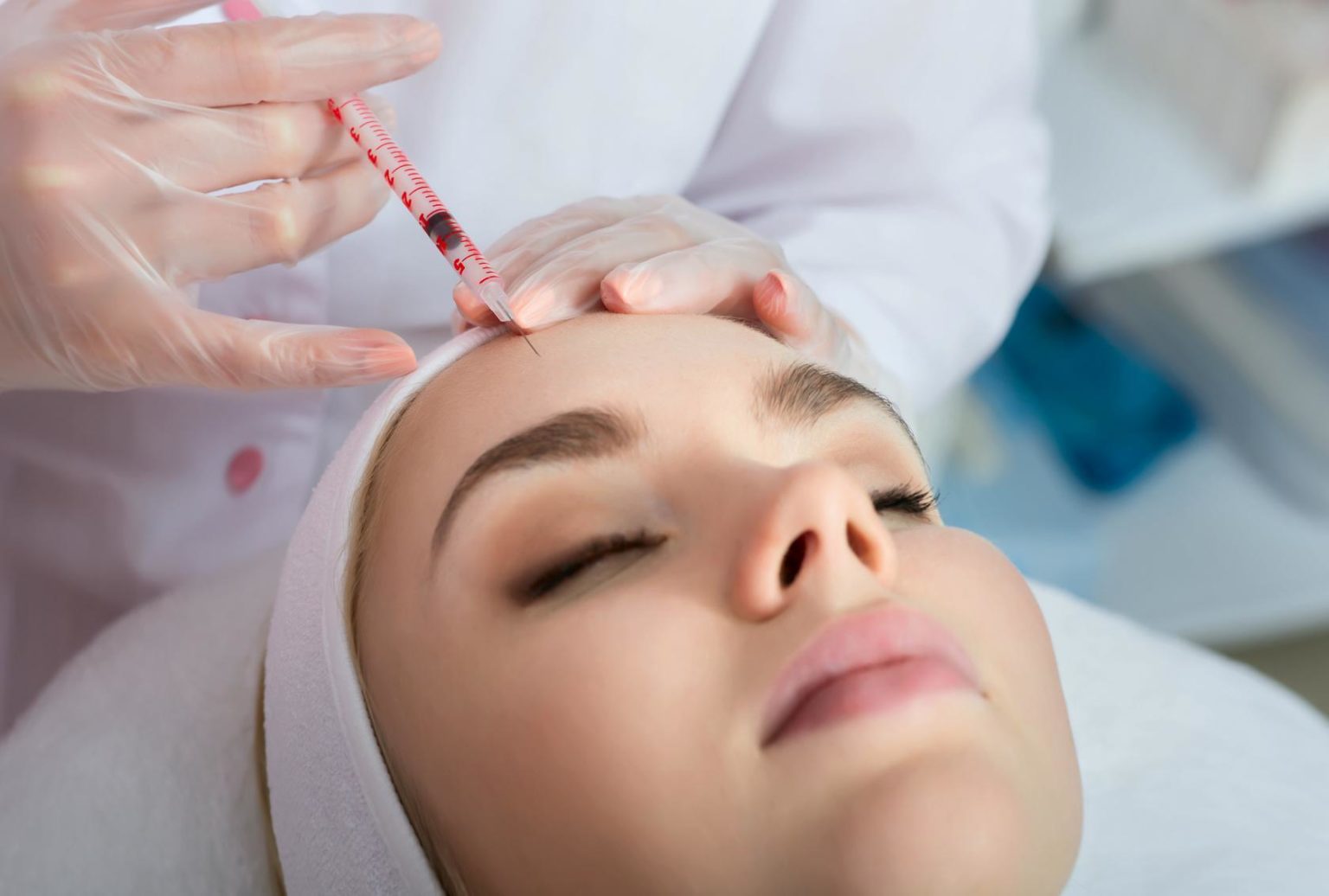
Before Your Botox Treatment (Pre-Care)
Following these instructions will help minimize bruising and ensure the best possible results:
- Consultation is Key: Always have a thorough consultation with a qualified dermatologist or plastic surgeon. Discuss your medical history, any allergies, medications you're taking, and your aesthetic goals.
- Avoid Blood Thinners:
- One week prior: Stop taking medications and supplements that can thin the blood, such as Aspirin, Ibuprofen (Advil, Motrin, Aleve), Vitamin E, fish oil, and Omega-3s. Always get physician approval before stopping any prescribed medication.
- 24-48 hours prior: Avoid alcohol, as it can also thin the blood and increase the risk of bruising.
- Medications and Supplements: Inform your doctor about all medications, supplements, and herbal remedies you are currently taking.
- Retinol Products: Stop using retinol products (like Retin-A) at least one week before your appointment to avoid increased skin sensitivity, redness, and irritation.
- Facial Hair Removal: Avoid waxing, threading, bleaching, or tweezing the treatment area for at least a week before your appointment, as these can irritate the skin.
- Strenuous Exercise: Avoid intense physical activity and heavy lifting for at least 24 hours before your treatment. This helps prevent increased blood flow to the face, which can lead to bruising and swelling.
- Facial Massages/Treatments: Avoid facial massages, chemical peels, or microdermabrasion for at least a week prior.
- Hydration: Drink plenty of water in the days leading up to your appointment.
- Eat Beforehand: Have a good meal or snack before your appointment to prevent lightheadedness during the procedure.
- Arnica: Some practitioners recommend starting Arnica supplements or applying Arnica cream a few days before your appointment to help minimize bruising.
- Makeup-Free: Arrive at your appointment with a clean, makeup-free face. The treatment area needs to be sanitized.
- Cold Sores: If you have a history of cold sores, notify your clinic so they can prescribe preventative medication.
After Your Botox Treatment (Post-Care)
Proper aftercare is crucial for the Botox to settle correctly and to minimize side effects:
- Avoid Touching/Massaging:
- For at least 24 hours (some clinics recommend 3-4 days): Do not touch, rub, or massage the treated areas. This is vital to prevent the Botox from spreading to unintended muscles, which could lead to unwanted effects like drooping or asymmetry.
- Be gentle when washing your face or applying skincare products.
- Stay Upright:
- For at least 4 hours: Remain upright and avoid lying down, bending over, or putting your head down. This helps the product settle into the targeted muscles.
- Avoid Strenuous Activity:
- For at least 24 hours: Avoid strenuous exercise, heavy lifting, or any activity that significantly increases your heart rate or blood pressure. Increased blood flow can potentially spread the toxin and increase the risk of bruising. Light walking is generally fine.
- Avoid Heat Exposure:
- For at least 24 hours: Steer clear of saunas, hot tubs, steam rooms, tanning beds, and excessively hot showers or baths. Heat can increase blood circulation and may affect how Botox settles.
- Sun Exposure: Avoid direct sun exposure for at least 4 hours, and ideally for 24-48 hours if there's any redness or swelling. Use sunscreen regularly.
- Makeup: Avoid applying makeup for at least 4-12 hours after treatment to prevent rubbing the area and introducing bacteria. When you do resume, use clean brushes and sponges.
- Alcohol: Avoid alcohol for at least 24 hours after your injection to minimize the risk of bruising.
- Other Facial Treatments: Postpone facials, facial massages, chemical peels, microdermabrasion, or dermal fillers for at least 24-48 hours (some clinics advise up to a week) to allow the Botox to fully settle.
- Don't Sleep on Treated Area: Try to avoid sleeping on the injected areas for the first night to minimize physical pressure.
- Gentle Facial Movements: You can gently exercise the treated facial muscles (e.g., frowning, smiling, raising eyebrows) as advised by your practitioner. This can sometimes help the Botox integrate more effectively.
- Expected Side Effects: You might experience slight redness, swelling, or minor bruising at the injection sites. These are usually temporary and resolve within a few hours to a few days. You can apply a cool compress or ice pack (wrapped in a cloth) to help reduce swelling.
- Results: Initial results usually appear within 3-7 days, with the full effect visible in 10-14 days.
- Follow-up: Some clinics recommend a follow-up appointment around 10-14 days after the initial treatment to assess the results and perform any necessary touch-ups.
- When to Contact Your Doctor: While serious side effects are rare, contact your clinic immediately if you experience any concerning symptoms such as severe swelling, persistent pain, muscle weakness in unintended areas, blurred vision, difficulty swallowing, speaking, or breathing.
Always follow the specific instructions provided by your chosen clinic in Riyadh, as recommendations can vary slightly.