
Teaching preschoolers about healthy eating can be a rewarding experience, but keeping young children interested in nutrition is not always easy. Stories provide a simple and enjoyable way to introduce food-related ideas without making learning feel like a lesson. Books for preschoolers about healthy eating can encourage curiosity, conversations, and positive attitudes toward nutritious foods.
Why Books Are Helpful for Food Education
Preschoolers learn through repetition, imagination, and everyday experiences. A story can bring familiar topics such as fruits, vegetables, meals, and food choices to life through memorable characters and simple situations.
When children hear stories about healthy foods, parents can use the opportunity to introduce new vocabulary and discuss different foods. Reading together also creates a relaxed environment where children can ask questions and express their preferences.
The best books for preschoolers about healthy eating should make these concepts easy to understand while keeping the experience entertaining.
Meet Gloria Gator
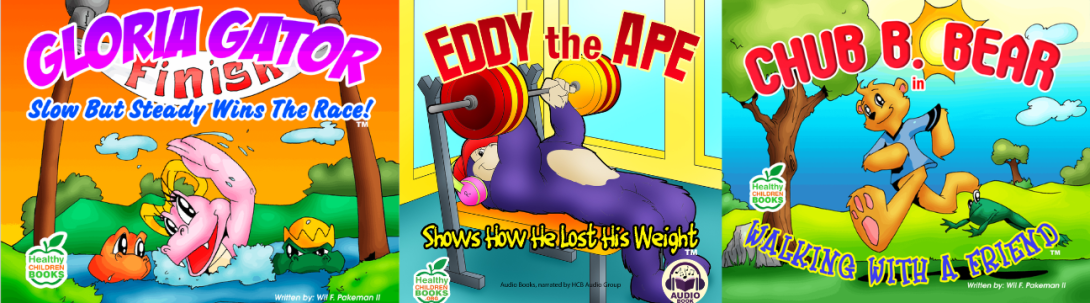
Gloria Gator is an engaging character that can help make conversations about healthy eating more appealing to young readers. Instead of presenting nutrition as a complicated subject, a character-driven story can turn food education into an adventure.
Preschoolers can follow along with the story while becoming familiar with ideas surrounding healthy choices. Characters also give children something they can remember after storytime, making it easier for parents to continue the conversation during everyday activities.
Turning Storytime Into a Learning Experience
Reading a healthy-eating story does not have to end when the book closes. Parents and teachers can build simple activities around the story.
After reading about Gloria Gator, children might identify different fruits and vegetables at home, create a colorful snack plate, or help prepare a simple meal. These activities allow children to connect the ideas from the story with their own experiences.
Parents can also ask open-ended questions such as, “What food would you like to try?” or “Which fruit is your favorite?” Questions like these encourage children to think about food without making the conversation feel demanding.
Encouraging Positive Food Habits
Healthy food education works best when it is positive and age appropriate. Preschoolers are still developing their preferences, so they may need repeated exposure to different foods before becoming comfortable with them.
Stories can help create a supportive environment by presenting nutritious foods as an ordinary and enjoyable part of everyday life. They can also encourage children to be curious rather than fearful about trying something unfamiliar.
What Parents Should Look For
When choosing books for preschoolers about healthy eating, consider stories with simple language, engaging characters, age-appropriate concepts, and positive messages. Books should be enjoyable enough that children want to hear them more than once.
A good story can support both reading development and everyday learning, making it a useful resource for parents, caregivers, and preschool classrooms.
Healthy Children Books: Learning Through Stories
Healthy Children Books focuses on children's reading experiences that can combine entertainment with meaningful lessons. Gloria Gator can help bring healthy-eating conversations into storytime in a way that feels accessible to preschoolers.
For families looking to make nutrition education more enjoyable, a well-written children's book can be a valuable starting point. Instead of treating healthy eating as a complicated topic, storytelling gives children an opportunity to learn through characters, imagination, and conversation.
With Gloria Gator, healthy eating becomes more than a topic—it becomes part of an engaging story that children can enjoy while learning important everyday concepts.