
Article submission still has a place in modern SEO, but only when it serves readers first. The old method of dropping thin articles across random directories has lost its power. Search engines now spot weak content, forced backlinks, and pages built only to manipulate rankings.
A better strategy starts with high-quality article submission sites, original writing, clear topic focus, and links that make sense. Used well, article submission can help publishers build visibility, earn referral traffic, support brand authority, and test content ideas before investing in larger campaigns.
What Article Submission Means in 2026
Article submission means publishing original written content on a third-party website. That site may be a publishing platform, blog network, article directory, question-and-answer site, newsletter platform, or professional network.
Most platforms allow writers to add a title, body content, author profile, category, tags, and website link. Some platforms allow contextual links in the article body. Others restrict links to the author bio.
The purpose has changed. Article submission no longer works as a shortcut for easy backlinks. It works as a distribution method for useful content.
A strong submission should do three things:
- Answer a real reader question
- Build trust in the author or brand
- Send readers to a useful next step
That last point matters. A link should feel natural. If the article discusses small garden ideas, a link to a detailed garden guide makes sense. A link to a random sales page does not.
Why Article Submission Sites Still Matter for SEO
A good article on the right platform can support search visibility in several ways. It can get indexed, rank for long-tail keywords, send referral traffic, and create brand exposure outside your own domain.
For new websites, this can help speed up early discovery. For established brands, it can support content distribution and authority building.
The most valuable benefits include:
- Referral traffic from readers already interested in the topic
- Brand visibility on trusted publishing platforms
- Backlink opportunities through author profiles or relevant article links
- Topical authority when articles support a clear subject cluster
- Search demand testing before creating larger content assets
The value does not come from volume. It comes from relevance. One useful article on the right platform can outperform ten rushed posts on low-quality sites.
Real Article Submission Sites With URLs and Examples
Use this list as a practical starting point. Each platform serves a different purpose, so match the article to the audience.
- Medium
URL: https://medium.com/
Best use case: Thought leadership and practical guides.
Real article example: "How Small Brands Can Use Content to Build Trust."
SEO value: Strong reader reach and indexing potential. - LinkedIn Articles
URL: https://www.linkedin.com/
Best use case: B2B advice, consulting, hiring, and marketing.
Real article example: "7 Ways Founders Can Turn Expertise Into Leads."
SEO value: Professional trust and profile authority. - Blogger
URL: https://www.blogger.com/
Best use case: Simple niche blog posts.
Real article example: "Budget Garden Ideas for Small Outdoor Spaces."
SEO value: Easy publishing and Google-friendly setup. - WordPress.com
URL: https://wordpress.com/
Best use case: Long guides and niche content hubs.
Real article example: "Beginner's Guide to Article Marketing for Local Businesses."
SEO value: Flexible layouts and clean structure. - Wix Blog
URL: https://www.wix.com/blog
Best use case: Brand-led small business articles.
Real article example: "How Interior Designers Can Publish Better Client Advice."
SEO value: Useful for service businesses. - Weebly
URL: https://www.weebly.com/
Best use case: Basic service articles and beginner guides.
Real article example: "Simple Home Repair Tips for First-Time Owners."
SEO value: Fast setup for small projects. - Google Sites
URL: https://sites.google.com/
Best use case: Resource pages and support hubs.
Real article example: "Resources for a Local SEO Workshop."
SEO value: Useful for organized reference content. - Quora
URL: https://www.quora.com/
Best use case: Question-led expert answers.
Real article example: "Are Free Article Submission Sites Still Useful for SEO?"
SEO value: Strong search-intent match. - Reddit
URL: https://www.reddit.com/
Best use case: Useful community guides and discussions.
Real article example: "A Practical Guide to Article Directories for Beginners."
SEO value: Referral traffic from active groups. - Tumblr
URL: https://www.tumblr.com/
Best use case: Lifestyle, fashion, and visual posts.
Real article example: "Easy Fashion Ideas for Busy Weekends."
SEO value: Light content sharing. - Telegra.ph
URL: https://telegra.ph/
Best use case: Fast, simple article publishing.
Real article example: "Quick Guide to Dofollow Article Submission Sites."
SEO value: Speed and simplicity. - LiveJournal
URL: https://www.livejournal.com/
Best use case: Personal essays and niche commentary.
Real article example: "How Bloggers Can Turn Daily Ideas Into Search Traffic."
SEO value: Older publishing authority. - HubPages
URL: https://hubpages.com/
Best use case: Informational guides and evergreen articles.
Real article example: "How to Choose a Rain Barrel for a Small Garden."
SEO value: Long-tail search potential. - Substack
URL: https://substack.com/
Best use case: Newsletter-led articles and essays.
Real article example: "Why Useful Content Beats Empty SEO Tricks."
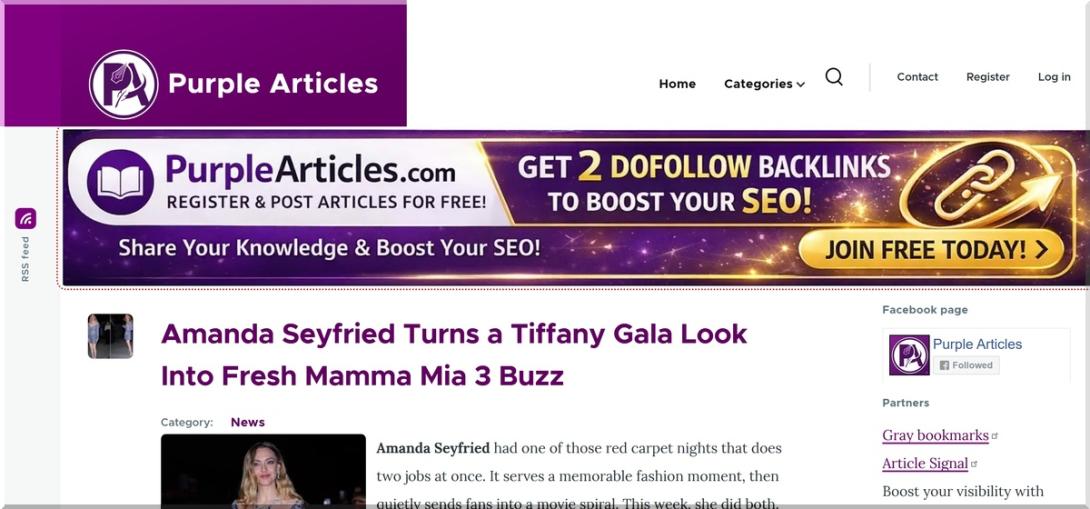
SEO value: Audience ownership and email growth. - Purple Articles
URL: https://www.purplearticles.com/
Best use case: Broad category article publishing.
Real article example: "How Free Article Directories Help New Writers Get Found."
SEO value: Category-based reach and backlink support.
The best approach is not to publish one article everywhere. Write a fresh article for each platform, audience, and search intent.
How to Choose the Right Article Submission Platform
Each platform has a job. Use the platform that fits the content, not the one that looks easiest.
Use Medium for Expert-Led Guides
Medium works well for practical advice, personal analysis, and clear opinion pieces. It suits writers who want reach without building a full website from scratch.
Good topics include:
- Content marketing strategy for small brands
- Personal productivity systems
- Startup lessons
- Publishing advice
- Practical SEO explainers
A strong Medium article should offer a clear argument, specific examples, and a useful ending. It should not read like a sales brochure.
Use LinkedIn Articles for B2B Authority
LinkedIn Articles fit professional topics because the article connects to a visible profile. Readers can see the author's background, role, and business activity.
This works well for:
- Consultants
- Agency owners
- Recruiters
- SaaS founders
- Coaches
- B2B service providers
A digital consultant could publish "How Local Businesses Can Turn Educational Content Into Leads." That topic fits LinkedIn because it speaks to business owners and decision-makers.
Use Blogger and WordPress.com for Long-Tail Content
Blogger and WordPress.com work well for niche guides. They provide simple publishing tools and clear page structures.
A home and garden publisher could create articles such as:
- "Rain Barrel Setup for Small Gardens"
- "Small Balcony Storage Ideas for Renters"
- "Low-Cost Patio Lighting Ideas"
- "How to Choose a Mattress for Better Sleep"
These topics target specific problems. That gives each article a better chance of attracting long-tail search traffic.
Use Quora for Question-Based Visibility
Quora works best when the article answers a direct question. Search users often type questions, and Quora pages can match that intent well.
Strong Quora-style topics include:
- "Are article submission sites still good for SEO?"
- "What are the best free article submission sites?"
- "How do dofollow backlinks help a new website?"
- "How many article directories should a blogger use?"
- "Can article submission bring real website traffic?"
The answer should help first. Add links only after giving value.
Use Purple Articles for Multi-Category Publishing
Purple Articles suits writers and publishers who cover several topics. Its broad category structure makes it useful for article directory publishing, topic testing, and long-tail content distribution.
Strong topic ideas for Purple Articles include:
- Free article directories and how writers can use them
- Automotive buyer guides
- Home and garden advice
- Travel planning tips
- Fashion and beauty guides
- Small business marketing explainers
- Technology and AI articles
- Sustainability topics
For a publisher managing multiple niches, Purple Articles can act as a testing ground. Publish focused articles, measure interest, then build stronger content clusters around topics that gain traction.
Real Examples by Business Type
A good article submission strategy starts with real topics. Generic content rarely earns clicks.
Local Roofing Company
A roofing company should publish practical homeowner advice, not thin promotional content.
Better article ideas include:
- "How to Spot Roof Damage After Heavy Rain"
- "Flat Roof vs Pitched Roof: What Homeowners Should Know"
- "Why Gutter Cleaning Can Prevent Expensive Roof Repairs"
Best platforms: Purple Articles, Blogger, WordPress.com, LinkedIn Articles.
The link should point to a roof inspection checklist, local service page, or detailed maintenance guide.
Fashion and Beauty Publisher
Fashion content performs best when it feels useful, specific, and easy to apply.
Good article ideas include:
- "Timeless Fashion Tips That Help You Look Polished Every Day"
- "How to Build a Capsule Wardrobe Without Wasting Money"
- "Simple Beauty Habits That Save Time Before Work"
Best platforms: Medium, Tumblr, Purple Articles, WordPress.com.
The article can mention brand examples, but the advice should lead. Readers want help, not a shopping list with paragraphs attached.
Automotive Blog
Automotive publishers can gain traffic from long-tail buyer and maintenance searches.
Good article ideas include:
- "What Drivers Should Know Before Buying a Used Hybrid"
- "EV Charging at Home: Simple Tips for New Owners"
- "Small SUV Buying Guide for Families on a Budget"
- "How to Prepare Your Car for a New Baby"
Best platforms: Purple Articles, Medium, Blogger, LinkedIn Articles.
The key is specificity. Car buyers search for details, comparisons, costs, reliability, and ownership tips.
Digital Marketing Consultant
A consultant should publish articles that prove practical skill.
Good article ideas include:
- "How Article Submission Supports Off-Page SEO in 2026"
- "A Simple Content Distribution Plan for New Websites"
- "How to Track Referral Traffic From Guest Articles"
Best platforms: LinkedIn Articles, Medium, Quora, Purple Articles.
Each article should show process, data thinking, and real examples. Vague advice will not build trust.
Dofollow Links, Nofollow Links, and Real SEO Value
Many people search for dofollow article submission sites because dofollow links may pass ranking value. That interest makes sense. Still, link type should not control the entire strategy.
A nofollow link from a strong article can send qualified readers. It can also support brand searches, social shares, and future mentions. A dofollow link from a weak page may add little value.
The smarter rule is simple: choose quality first, link type second.
Pro-Tip: Use natural anchor text. Brand names, article titles, and plain phrases usually look safer than long exact-match keywords forced into every post.
How to Write an Article That Gets Approved
Most reputable platforms reject thin, copied, or overly promotional content. That protects readers and keeps the platform useful.
Use this process before submitting:
- Pick one reader problem.
- Choose one primary keyword.
- Write a clear headline with a reader benefit.
- Add practical examples.
- Use clean H2 and H3 headings.
- Add one useful list.
- Link only when the link helps the reader.
- Write a credible author bio.
- Proofread before submission.
- Track indexing, clicks, and referral traffic.
A submitted article should work as a standalone piece. It should never feel like a backlink wrapped in filler.
Common Article Submission Mistakes
Most failed campaigns make the same mistakes. They chase speed, skip quality, and publish without a plan.
Avoid these errors:
- Posting the same article across many sites
- Publishing in the wrong category
- Using copied or generic content
- Adding irrelevant backlinks
- Writing vague headlines
- Overusing exact-match anchor text
- Skipping the author bio
- Ignoring results after publishing
- Assuming instant approval means quality
Fast approval may save time. It does not prove the platform deserves your best work.
How to Measure Article Submission Results
Track every submitted article. SEO without measurement becomes guesswork with a nicer spreadsheet.
Use these performance checks:
- Indexed article: This shows that search engines found the page. Keep using sites that index well.
- Referral visits: This shows that readers clicked through to your site. Publish more on topics that send visitors.
- Engagement: This shows whether readers found the content useful. Improve weak landing pages when engagement drops.
- Keyword impressions: This shows that the article gained search exposure. Improve titles and headings when impressions rise but clicks stay low.
- Link status: This shows whether your link stayed live. Track link quality over time.
- Leads or signups: This shows whether the traffic produced business value. Repeat the winning angle.
Review results after 60 to 90 days. Keep platforms that bring visibility. Drop platforms that bring silence.
A Simple 5-Site Article Submission Plan
Start small. Publish stronger articles instead of chasing a giant list.
Use this first test:
- Publish one expert guide on Medium.
- Publish one B2B article on LinkedIn Articles.
- Publish one niche how-to article on Purple Articles.
- Publish one evergreen guide on Blogger or WordPress.com.
- Answer one direct question on Quora.
Give each article a fresh angle. Then check indexing, referral traffic, engagement, and topic performance.
What Now?
Build a shortlist of platforms. Choose one topic cluster. Write useful articles for real readers. Add links only where they help.
That approach turns article submission sites into a practical SEO tool instead of a risky shortcut. Fewer weak posts. Better topics. Cleaner links. Stronger signals.
Good articles can travel. Put them where readers can find them.