

TL;DR
- What automotive tint does: Reduces heat, glare, and UV exposure while improving privacy
- Key benefits: Enhanced cabin comfort, interior protection, and better driving visibility
- Types available: Dyed, metalized, carbon, and ceramic films
- Why installation matters: A skilled window film installer ensures a clean finish and long-term durability
- Legal check: Tint regulations vary by state and must be followed
- Bottom line: A functional upgrade that improves both comfort and protection
Understanding Automotive Tint
Automotive tint serves a practical purpose beyond appearance. It helps manage sunlight entering the vehicle, which directly impacts comfort levels and visibility during driving. By reducing glare and limiting heat buildup, it creates a more controlled interior environment.
Across the US, automotive tint is widely used in regions with strong sunlight and long driving hours. It supports everyday driving by improving cabin conditions while also offering an added layer of privacy.
What Is Automotive Tint?
Automotive tint refers to a thin film applied to vehicle windows to regulate light, heat, and UV exposure.
- Designed to reduce solar heat entering the cabin
- Blocks a significant portion of harmful UV rays
- Available in multiple shades and performance levels
- Applied to side, rear, and sometimes front windows
The material and quality of the film influence both performance and longevity.
Types of Automotive Tint Films
Different types of tint films are available, each offering specific advantages.
- Dyed film: Provides a darker appearance and basic heat reduction
- Metalized film: Reflects heat and strengthens window durability
- Carbon film: Offers a matte finish with improved heat rejection
- Ceramic film: Delivers high performance with superior clarity and UV protection
The choice depends on performance expectations, budget, and long-term usage.
Benefits of Automotive Tint
Automotive tint improves both driving experience and vehicle upkeep.
- Reduced heat: Keeps the cabin cooler in warm conditions
- UV protection: Helps prevent interior fading and material damage
- Glare reduction: Improves visibility during bright daylight
- Enhanced privacy: Limits outside visibility into the vehicle
- Interior preservation: Protects upholstery and dashboard from sun exposure
These benefits make tinting a practical addition for daily driving.
Why Professional Installation Matters
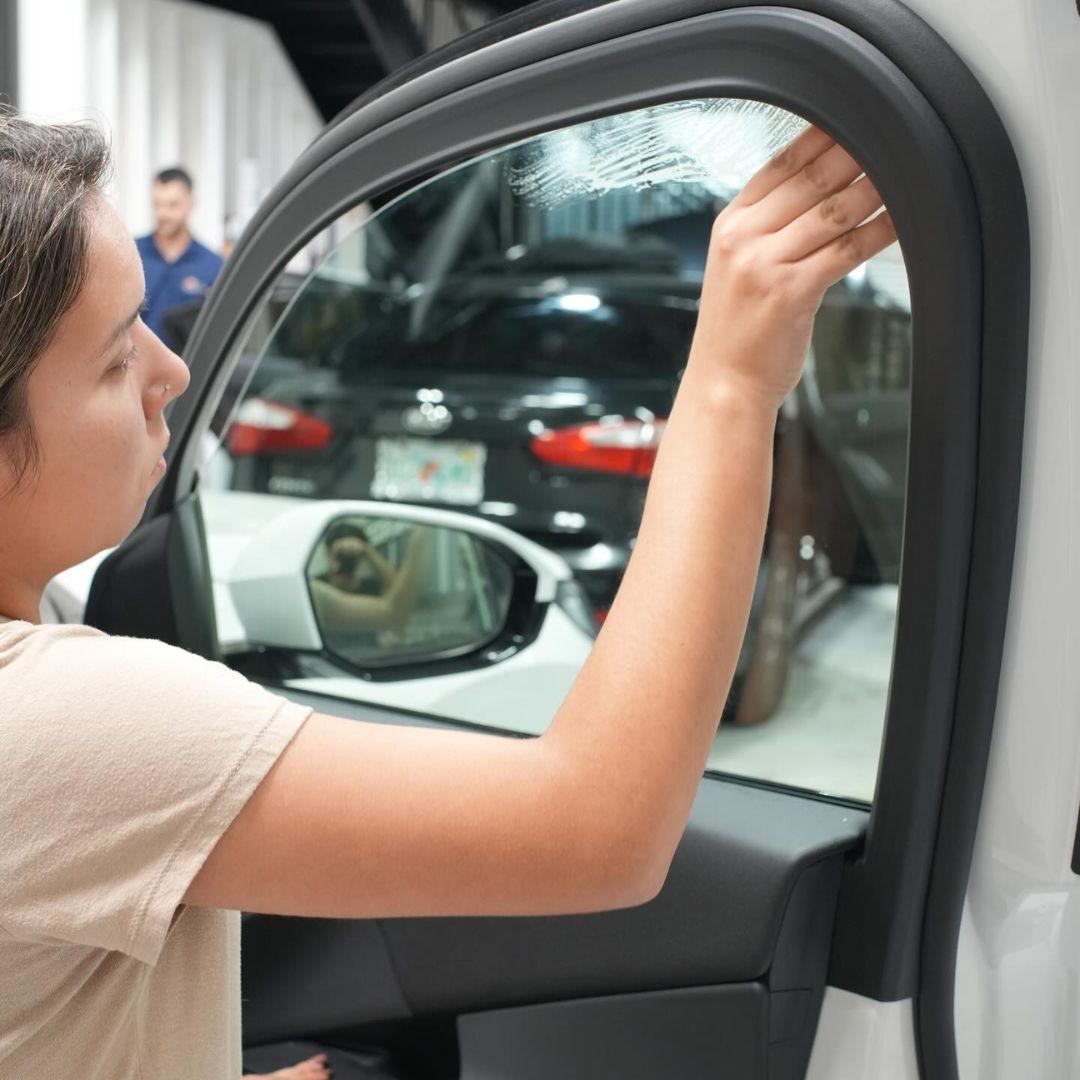
The effectiveness of automotive tint depends heavily on how it is installed. A professional window film installer ensures proper application and long-term performance.
- Smooth, bubble-free finish
- Accurate cutting and alignment
- Compliance with local tint regulations
- Use of high-quality materials
- Reduced risk of peeling or discoloration over time
Professional installation also helps maintain warranty coverage for the film.
Legal Considerations in the US
Automotive tint laws vary across states, particularly regarding how dark the tint can be and which windows can be covered.
- Visible light transmission (VLT) limits differ by state
- Front windshield tinting is often restricted
- Medical exemptions may apply in certain cases
- Penalties can apply for non-compliance
Checking local regulations before installation helps avoid legal issues.
Maintenance and Care
Maintaining automotive tint helps extend its lifespan and performance.
- Avoid cleaning immediately after installation
- Use non-abrasive cleaning materials
- Prevent sharp objects from scratching the film
- Clean with mild solutions rather than harsh chemicals
Proper care ensures the tint remains effective and visually consistent over time.
Conclusion
Automotive tint offers a balanced combination of comfort, protection, and visual appeal. By managing heat and light, it improves everyday driving conditions while also helping preserve the vehicle’s interior.
When installed by an experienced window film installer and maintained correctly, it becomes a long-term addition that supports both function and durability.
FAQs
- How does automotive tint impact long-term interior durability?
Automotive tint helps reduce prolonged exposure to UV rays, which can cause fading, cracking, and wear in upholstery, dashboards, and other interior surfaces over time.
- Is ceramic tint worth the higher cost compared to other options?
Ceramic tint offers better heat rejection, clarity, and UV protection without interfering with signals, which makes it a preferred option for long-term performance despite the higher upfront cost.
- Can automotive tint affect visibility at night?
Darker tint levels may slightly reduce visibility in low-light conditions, which is why selecting the right shade within legal limits is important for balanced performance.
- How long does professionally installed automotive tint typically last?
High-quality tint installed by a skilled window film installer can last anywhere from 5 to 10 years, depending on material quality and maintenance.
- Does automotive tint require replacement over time?
Over time, tint may show signs of wear such as fading, bubbling, or peeling, especially if lower-quality films are used. Replacement depends on condition rather than a fixed timeline.