

Embarking on a rhinoplasty surgery in Riyadh involves several key stages, from the initial consultation to the final recovery. Knowing what to expect at each step can help you feel more prepared and confident in your decision.
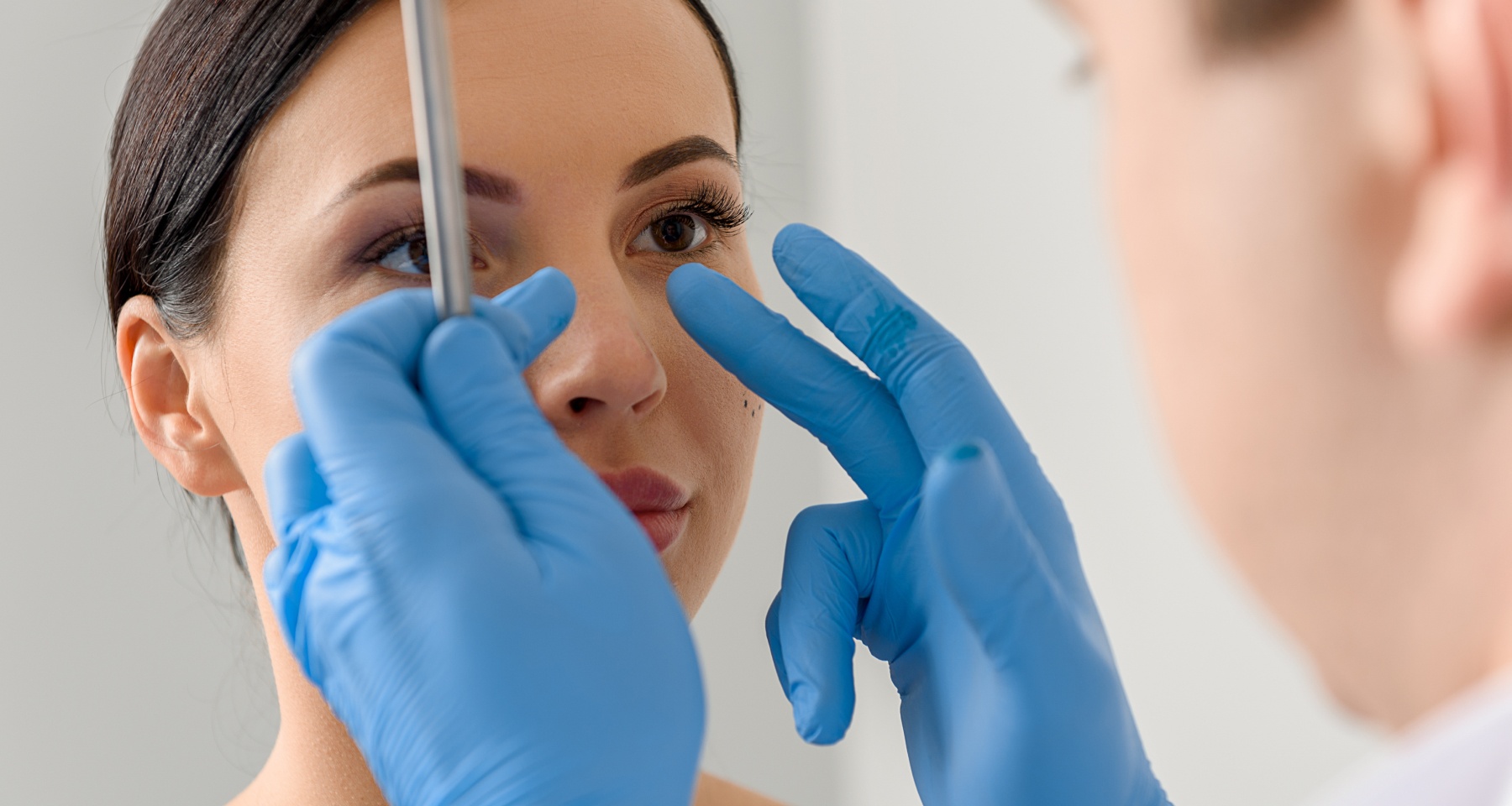
The Initial Consultation
The consultation is a critical first step. You will meet with a board-certified plastic surgeon or ENT specialist to discuss your goals and concerns. Here's what typically happens:
-
Discussion of Goals: The surgeon will ask about your desired outcome. It's helpful to be specific about what you like and dislike about your nose, such as a prominent bump, a wide bridge, or a drooping tip.
-
Medical Evaluation: The surgeon will assess your nasal structure, skin thickness, and facial features. They will also review your medical history to ensure you are a suitable candidate for surgery.
-
Computer Imaging: Many clinics in Riyadh use advanced 3D imaging technology to show you a simulated "before and after" of your nose, helping to set realistic expectations.
- Procedure Plan: The surgeon will recommend the best surgical approach for you (open vs. closed, revision rhinoplasty, septorhinoplasty, etc.) and explain the risks, benefits, and costs involved.
The Surgical Procedure
Rhinoplasty in Riyadh is typically performed in a hospital or accredited surgical clinic under general anesthesia.
-
Duration: The surgery usually takes between 1.5 to 3 hours, depending on the complexity of the changes being made.
-
Anesthesia: You will be under general anesthesia, so you will not feel any pain during the procedure.
-
Incision Technique: The surgeon will make incisions either inside the nostrils (closed rhinoplasty) or across the columella (open rhinoplasty) to access and reshape the bone and cartilage.
-
Post-Surgery: After the surgery, you will have a protective splint or cast on the outside of your nose and possibly packing inside to support the new structure and minimize bleeding.
Recovery and Healing Timeline
Recovery is a gradual process, and patience is key. While the initial recovery period is about one to two weeks, the final results take much longer to become fully visible.
-
First Week: This is the most intense period of recovery. You will experience significant bruising and swelling around the eyes and nose. Pain is generally manageable with prescribed medication. The splint and any external stitches will be removed after about a week. You should rest with your head elevated to reduce swelling.
- Weeks 2-4: The bruising will begin to fade, and the majority of the swelling will subside. You can typically return to work and light, non-strenuous activities.
- Months 1-3: Swelling will continue to decrease, and you will begin to see a more refined shape of your nose. The nose may still feel tender or sensitive.
-
6-12 Months: The nose will be fully healed, and the final results will be apparent. The remaining subtle swelling, especially at the tip of the nose, will have completely disappeared.
Post-Operative Care and Tips for Recovery
Following your surgeon's aftercare instructions is crucial for a successful outcome.
-
Keep Your Head Elevated: Use multiple pillows or a wedge pillow to keep your head elevated while sleeping for the first few weeks.
-
Avoid Blowing Your Nose: Do not blow your nose for several weeks to prevent bleeding and pressure on the healing tissues.
-
Protect Your Nose: Avoid wearing glasses for at least six weeks, as they can put pressure on the bridge of your nose. Avoid any activities that could result in your nose being bumped or injured.
-
Diet and Hydration: Stick to a soft diet initially and stay well-hydrated to aid in healing.
-
Avoid Smoking: Smoking can significantly delay healing and increase the risk of complications. It is important to quit smoking well before and after the surgery.