
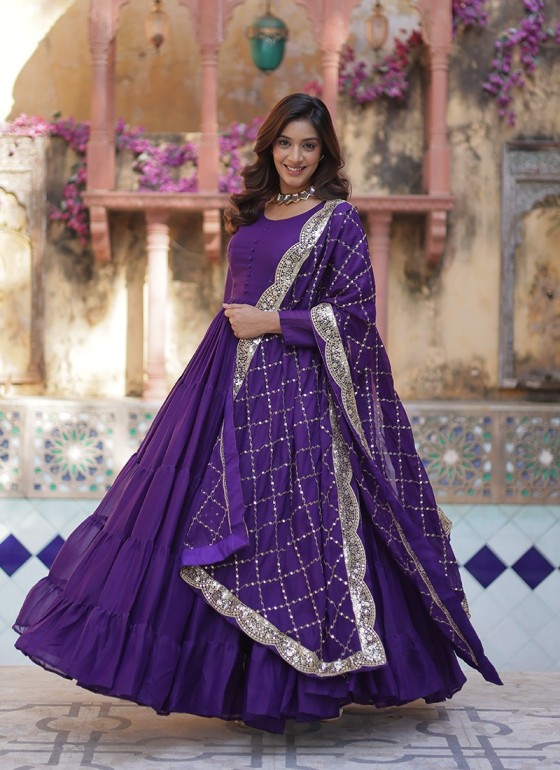
If you run an evening wear store or manage bridal inventory, you know how tricky sourcing formal gowns can be. Customer expectations in Southeast Asia are brutally specific. A woman buying a dress for an evening gala or a family wedding wants something that looks high-end under venue lighting, but it also has to fit properly and handle hot, humid weather without suffocating her. For boutique owners, stocking racks with pieces that meet those expectations—without paying middleman prices that wreck your margins—is a constant balancing act. Looking at what is currently coming off production lines at experienced Gown Manufacturers in Malaysia gives a clear picture of what walk-in buyers will actually be looking to buy this season.
1. Ditching Stiff Fabrics for Breathable Micro-Satins and Crepes
Heavy, rigid materials that trap heat are sitting on store hangers longer these days. Buyers want evening wear that flows nicely, feels lightweight against the skin, and stays comfortable through a long dinner or reception.
- Fluid movement: High-twist crepes and micro-satins give off a rich, subtle sheen while letting air pass through much better than traditional heavy synthetics.
- Low-maintenance drapes: Crepe blends hold their shape well when seated, so customers don't show up to their events covered in deep lap wrinkles.
2. Modest Silhouettes with Sheer Architectural Cuts
Modest evening wear drives huge sales volume across the region, but buyers are stepping away from plain, boxy cuts. The focus now is on pairing full coverage with interesting visual structure.
- Soft Illusion Mesh: High-neck bodices and full sleeves made with fine, non-scratchy organza or illusion netting give the look of sheer detail while keeping the dress fully covered.
- Structured Shoulders: Subtle capes and light shoulder padding give the gown a clean, tailored shape that appeals to mature buyers looking for a sophisticated fit.
3. Targeted Beadwork Instead of Heavy All-Over Sequins
Dresses caked in heavy sequins from neckline to hem might look flashy on a hanger, but they are heavy to wear and scratch the underarms. Production is shifting toward lighter, more deliberate embellishments.
- Placement embroidery: Concentrating beadwork around the neck, waist, or sleeve cuffs draws attention to key points without adding unnecessary weight to the entire gown.
- Matching glass beads: Designers are using glass bugle beads dyed to match the exact fabric shade, giving a refined shimmer instead of a loud, high-contrast sparkle.
Working with reliable Gown Manufacturers in Malaysia supply channels helps boutique owners bring in these detailed, lightweight pieces without worrying about loose threads or beads falling off during handling.
4. Convertible Skirts and Detachable Sleeves
Versatility sells easily on the boutique floor. When a customer realizes she can tweak a gown to get two different looks out of one purchase, closing the sale gets a lot simpler.
- Snap-on overskirts: A fitted column or mermaid dress with a detachable satin overskirt lets the wearer go from a full ceremony look to a manageable evening outfit in seconds.
- Removable sleeve panels: Modular sleeves allow shoppers to adjust how much coverage they want depending on whether the event is formal or casual.
5. Earthy Jewel Tones and Muted Metallics
While basic black and deep navy will always sell, recent production batches are leaning heavily into warmer, nature-inspired colors.
- Colors moving off the rack: Burnt terracotta, sage green, dusty rose, and champagne gold are currently outperforming bright primary shades.
- Better under event lights: These muted tones photograph really well under warm hall lighting, which matters a lot to clients buying outfits for social functions.
Keeping Your Racks Stocked Without Capital Stress
Keeping up with these design shifts requires a supply chain that actually delivers on time without sending you misstitched garments. Working with established apparel exporters like Ajmera Fashion Limited, based in Surat, allows shop owners to source trend-forward evening lines straight to their doors without dealing with unpredictable local traders or running out of stock right before peak event months. When your supply lines are dependable, you stop wasting energy tracking late deliveries or arguing over fabric quality—leaving you free to focus on serving your walk-in clients and growing your shop.